
-17.png)
-14.png)
-14.png)
-14.png)
-14.png)
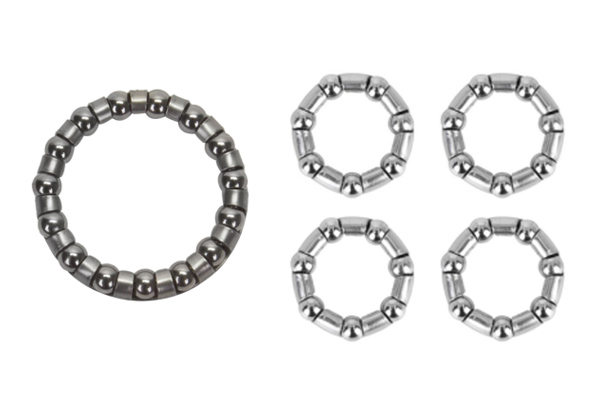
حاملات الكرات – قفص محمل كريات وفاصل كرات لتجميعات الحركة خفيفة الحمل
حاجز الكرات، يُسمى أيضًا قفص محمل الكرات أو فاصل الكرات، هو مكون محمل مصمم لفصل الكرات، والحفاظ على تباعد متساوٍ، والمساعدة في توجيه العناصر المتدحرجة أثناء الحركة. يقلل الحاجز المحدد بشكل صحيح من تلامس الكرات ببعضها، ويدعم دورانًا أكثر سلاسة، ويحسن استقرار التجميع في الأنظمة الميكانيكية خفيفة الحمل.
توفر SDBALLS حواجز كرات بتشكيلات قياسية متعددة، بأحجام كرات تشمل 4 مم، 4.76 مم، 6 مم، 6.35 مم و 8 مم وفقًا لمواصفات الكتالوج الحالية. تُستخدم هذه المكونات في هياكل نقل الكرات بدون مجرى، وتجميعات الحركة خفيفة الحمل، وتجهيزات العرض، ومكونات الدراجات، والبوابات، وآليات الانزلاق، والنواقل الصغيرة، والمثبتات، وتجميعات المصنّعين الأصليين المخصصة.
| غرض | محتوى الصفحة الموصى به |
| نوع المنتج | حاجز كرات / قفص محمل الكرات / فاصل الكرات |
| أحجام الكرات الشائعة | 4 مم، 4.76 مم، 6 مم، 6.35 مم، 8 مم؛ الأحجام الأخرى تخضع لمراجعة الرسم |
| هياكل الكتالوج القياسية | تشكيلات حواجز متعددة مدرجة حسب حجم الكرة × الكمية وقطر الإطار |
| مرجع قطر الإطار | أبعاد Dmax و Dmin المستخدمة للمطابقة مع تجميعات العميل |
| التخصيص | أحجام المصنّع الأصلي والمصنّع حسب التصميم، عدد الكرات، قطر الإطار، نمط الثقوب والمواد تخضع لتأكيد الإنتاج |
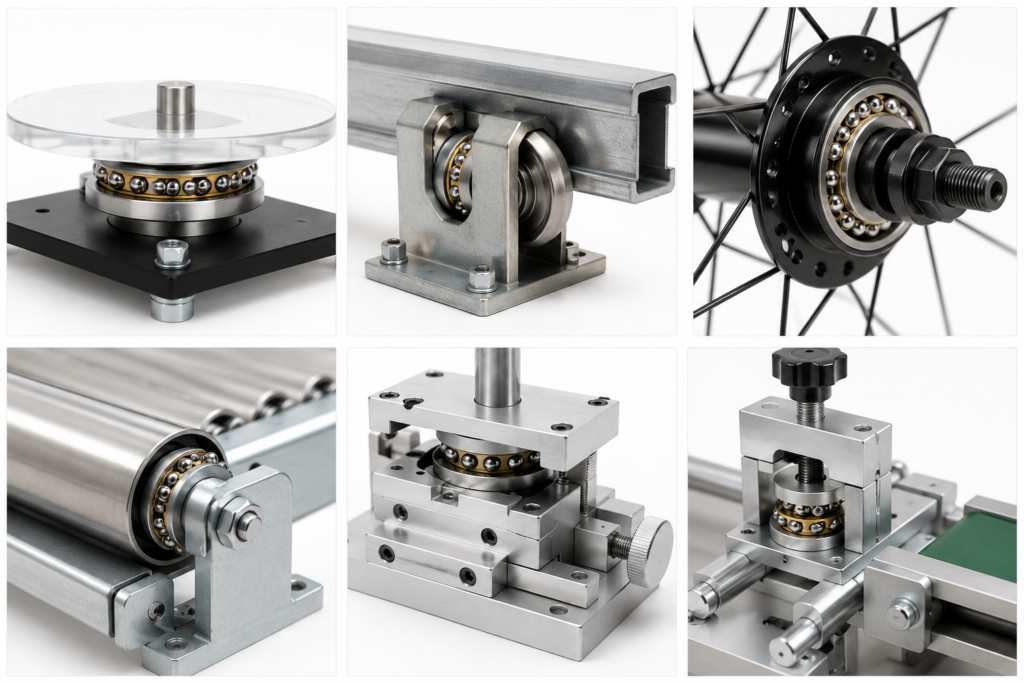
| التطبيقات النموذجية | شاشات البيع بالتجزئة، أجزاء الدراجات، البوابات، أجهزة الانزلاق، نواقل خفيفة الحمل، مثبتات، شاشات عرض ميكانيكية |
شارك هذا المنتج
نظرة عامة على المنتج
حاجز الكرات ليس منتج كرات سائبة؛ إنه مكون تحميل وتحكم في الحركة وظيفي. الغرض منه هو الحفاظ على تباعد العناصر المتدحرجة بالتساوي، وتقليل التلامس المباشر بين الكرات، ومساعدة التجميع على العمل بسلاسة وقابلية للتنبؤ أكبر. في العديد من التصاميم، يساعد الحاجز أيضًا في تثبيت العناصر المتدحرجة معًا، مما يجعل المناولة والتجميع أسهل.
بالنسبة لـ SDBALLS، يجب وضع هذه الصفحة ضمن "البكرات والمكونات" بدلاً من الكرات الفولاذية العادية. عادة لا يطلب المشتري قطر الكرة فقط، بل يطلب هندسة حاجز مطابقة، وعدد الكرات، وقطر الإطار، والمادة، وملاءمة التطبيق. لذلك، يجب أن توجه هذه الصفحة العملاء لتقديم الرسومات، العينات، أبعاد Dmax/Dmin، حجم الكرة، كمية الكرات وظروف العمل قبل عرض السعر.
اختيار المواد & التموضع التقني
عادة ما يتم اختيار حواجز الكرات وفقًا لهيكل التجميع، مستوى الحمل، سرعة الحركة، متطلبات الاحتكاك، درجة الحرارة، بيئة التآكل، وهدف التكلفة. بالنسبة للعديد من التطبيقات خفيفة الحمل، تُفضل الحواجز المعدنية المختومة لأنها توفر هندسة قابلة للتكرار، تباعد كرات متسق، وإنتاج دفعات اقتصادي.
لا ينبغي وصف الحاجز بأنه محمل عالي الحمل بحد ذاته. إنه مكون تباعد وتوجيه يعمل مع الكرات، المجاري، المسارات، الأعمدة، المبيتات أو ألواح الدعم. إذا كان التطبيق يتطلب حمولة أعلى، سرعة أعلى، درجة حرارة عالية، مقاومة للتآكل أو ضوضاء منخفضة، يجب تأكيد مادة الحاجز وهندسته مع تصميم التجميع الكامل.
مرجع المواصفات القياسية
| الرقم. | مواصفة | Dmax / قطر الإطار | Dmin / قطر الإطار الداخلي |
| #1 | 4 مم × 22 | 40 مم | 33.5 مم |
| #2 | 4 مم × 16 | 37.4 مم | 31 مم |
| #3 | 8 مم × 9 | 44.5 مم | 31 مم |
| #4 | 4 مم × 20 | 40 مم | 33.5 مم |
| #5 | 4 مم × 20 | 37 مم | 27 مم |
| #6 | 8 مم × 7 | 37.6 مم | 24 مم |
| #7 | 6 مم × 9 | 33.7 مم | 24 مم |
| #8 | 4.76 مم × 9 | 30.7 مم | 22 مم |
| #9 | 6.35 مم × 9 | 29 مم | 18 مم |
| #10 | 6 مم × 7 | 25 مم | 14 مم |
| #11 | 4.76 مم × 7 | 20.4 مم | 12 مم |
| #12 | 4 مم × 7 | 18.8 مم | 11 مم |
| #13 | 6.35 مم × 15 | 43.7 مم | 31.5 مم |
| #14 | 4.76 مم × 15 | 39 مم | 27.3 مم |
ملاحظة: الجدول أعلاه هو مرجع كتالوج يعتمد على بيانات الصفحة الحالية. يجب تأكيد الأبعاد النهائية والتفاوتات المسموحة والمواد والتشطيب السطحي من خلال الرسم أو العينة أو متطلبات تطبيق العميل.
الفوائد الرئيسية للمشترين
- يحافظ على تباعد ثابت بين الكرات ويقلل من التداخل بينها.
- يدعم حركة دوران أو انزلاق أكثر سلاسة في التجميعات خفيفة الحمل.
- يساعد في الحفاظ على تنظيم العناصر المتدحرجة أثناء التجميع والمناولة.
- مفيد للهياكل المبسطة أو بدون مجرى سباق حيث يتطلب الأمر تحديد موضع محكوم للكرات.
- أحجام الكتالوج المتعددة تساعد المشترين على مطابقة التجميعات الحالية بسرعة أكبر.
- يمكن للتخصيص من المصنّع الأصلي ومصنّع التصميم الأصلي دعم أعداد الكرات أو الأقطار أو أبعاد الإطار غير القياسية.
- مناسب لأنظمة الحركة خفيفة الحمل والحساسة للتكلفة حيث قد لا يكون المحمل الدقيق الكامل ضرورياً.
التطبيقات وملاءمة التطبيق
| طلب | مستوى الملاءمة | ملاحظة للمشتري |
| شاشات العرض بالتجزئة والتجهيزات الدوارة | جيدة جداً | يدعم حركة خفيفة وسلسة في وحدات العرض والتجميعات ذات النمط الدوار. |
| أجهزة البوابات والانزلاق | جيد | يوفر تباعداً محكوماً للعناصر المتدحرجة من أجل حركة متوقعة في الهياكل الميكانيكية البسيطة. |
| مجموعات فرعية لمكونات الدراجات | جيد | مناسبة لهياكل المحامل أو الحركة خفيفة الوزن المختارة حيث تكون هناك حاجة إلى توجيه مدمج. |
| سيور ناقلة خفيفة وبكرات يدوية | جيد | يساعد في تقليل نقاط الاحتكاك وتحسين سلوك التدحرج المتسق في ظل الظروف المعتدلة. |
| المثبتات والرقاقات وآليات النماذج الأولية | جيد | سهلة الدمج عندما يحتاج المصممون إلى تباعد منظم للكرات دون هياكل محامل معقدة. |
| تعديلات معدات التعبئة والتغليف | جيد | يمكن أن تدعم آليات الضبط أو التموضع منخفضة السرعة. |
دليل اختيار المكونات
| خيار المكون | القوة النموذجية | متى يُوصى به |
| حامل الكرات / فاصل الكرات | يحافظ على تباعد الكرات بشكل متساوٍ ومنظم | عندما يحتاج التجميع إلى تباعد متحكم فيه للكرات في هيكل خفيف الوزن |
| كرات مفردة فقط | أقل تكلفة للمكونات وتعبئة مرنة | عندما يتحكم المبيت أو المجرى المائي بالفعل في التباعد وحركة الكرات |
| محمل كريات كامل | حلقات وكرات وحاجز متكاملة لأداء محمل متحكم فيه | عندما يجب هندسة السرعة، معدل التحميل، الضوضاء، التشحيم، وعمر الخدمة كوحدة كاملة |
| مجموعة البكرات الإبرية والحاجز | حل مدمج عالي التحمل الشعاعي | عندما تكون المساحة الشعاعية محدودة وتكون سعة التحميل الخطي/الدوراني أكثر أهمية من حركة الكرات |
| وحدة نقل الكرة | مكون نقل متعدد الاتجاهات جاهز للتركيب | عندما يحتاج العميل إلى وحدة نقل مكتملة بدلاً من مجرد حامل |
التحكم في التصنيع والعمليات
تعتمد جودة حامل الكرات على الهندسة المتسقة، تباعد التجاويف، استقرار التشكيل، التحكم في النتوءات، والتكرارية البُعدية. قد يشمل التحكم النموذجي في العملية اختيار المواد، الختم أو التشكيل، التشذيب، إزالة النتوءات، المعالجة السطحية عند الحاجة، الفحص البعدي، الفحص البصري والتعبئة.
للحوامل المخصصة، يجب على SDBALLS تأكيد ما إذا كان المشتري يحتاج إلى أحجام كتالوج قياسية، إنتاج بناءً على الرسم، هندسة عكسية من العينات، أو وحدات مجمعة بالكرات. قد يتغير مسار التصنيع وفقًا لحجم الكرة، كمية الكرات، قطر الإطار، سماكة المادة ومتطلبات التطبيق.
مراقبة وفحص الجودة
تشمل بنود الفحص النموذجية مطابقة قطر الكرة، كمية الكرات، القطر الأقصى، القطر الأدنى، الاستدارة الكلية أو الشكل الدائري، تباعد التجاويف، النتوءات السطحية، تأكيد المواد، حالة الإنهاء، والتعبئة. لبرامج OEM، يمكن لـ SDBALLS مناقشة الموافقة على العينات، تقارير الفحص، إمكانية تتبع الدفعات، وضع العلامات المخصصة والتحكم طويل الأمد في الطلبات المتكررة.
خيارات التعبئة
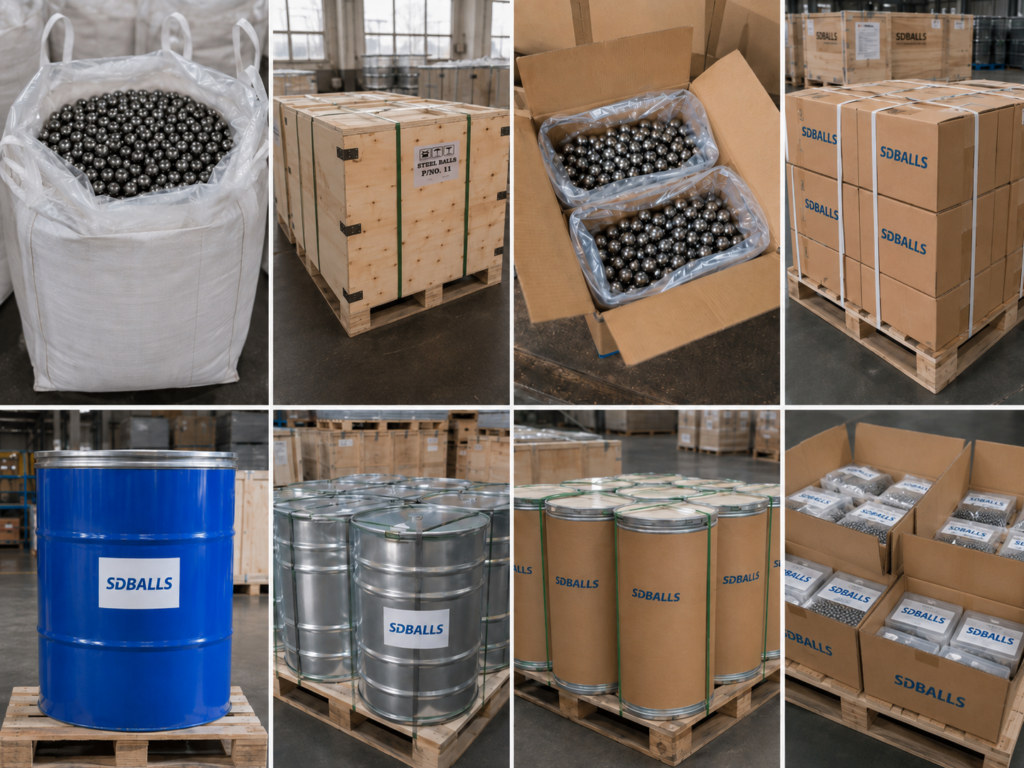
يمكن تعبئة حوامل الكرات في أكياس سائبة، صناديق كرتون، صواني، دلاء، منصات نقالة أو تغليف تصدير مخصص. للحوامل الموردة كتجميعات متطابقة مع الكرات، يوصى بالتغليف الواقي لتجنب التشوه أو التلوث أو تلف السطح أثناء النقل.
كيفية التحديد لعرض السعر
لعرض أسعار دقيق، يرجى تقديم: قطر الكرة، كمية الكرات، القطر الأقصى، القطر الأدنى، مادة الحامل، سماكة المادة إذا كانت معروفة، الإنهاء السطحي المطلوب، الكمية، التطبيق، حالة التحميل والسرعة، ما إذا كان ينبغي توريد الكرات معًا، الرسم أو العينة، طريقة التعبئة، ميناء الوصول وشرط التجارة. لمشاريع الاستبدال، الصور والأبعاد المقاسة من القطعة الحالية مفيدة للغاية.
الأسئلة الفنية الشائعة
س: ما هو استخدام جهاز تثبيت الخصيتين؟
ج: يُستخدم حامل الكرات لفصل الكرات، والحفاظ على تباعد متساوٍ، والمساعدة في توجيه العناصر المتدحرجة في محمل أو مجموعة حركة خفيفة الوزن.
س: هل حامل الكرات هو نفسه قفص المحمل؟
ج: في العديد من تطبيقات محامل الكرات، تُستخدم مصطلحات حامل الكرات، قفص محمل الكريات وفاصل الكرات لنفس وظيفة التباعد والتوجيه.
س: هل يمكن استخدام حامل الكرات بدون مجاري؟
ج: نعم، تُستخدم بعض حوامل الكرات في تطبيقات خفيفة الوزن بدون مجاري مثل شاشات البيع بالتجزئة، البوابات، مكونات الدراجات وآليات الحركة البسيطة. يجب مراجعة الهيكل الكامل من حيث التحميل والتآكل.
س: ما هي المواصفات المطلوبة للاختيار؟
ج: الأبعاد الرئيسية هي قطر الكرة، كمية الكرات، القطر الأقصى، القطر الأدنى، مادة الحامل، السماكة وبيئة التجميع. الرسم أو العينة هي أفضل طريقة لتأكيد الدقة.
س: هل يمكن لـ SDBALLS توريد الكرات مع الحامل؟
ج: نعم، يمكن لـ SDBALLS مناقشة التوريد المتطابق للكرات والحوامل عندما يؤكد المشتري متطلبات المواد والحجم والكمية والتطبيق.
س: هل يمكن تخصيص الحامل؟
ج: نعم. يمكن مناقشة تخصيص OEM و ODM لقطر الإطار غير القياسي، عدد الكرات، حجم الكرة، المواد، الإنهاء والتعبئة.
س: ما هي التطبيقات التي لا يُنصح بها للحوامل القياسية؟
ج: لا يُنصح باستخدام الحوامل القياسية خفيفة الوزن كبديل مباشر لأقفاص المحامل الهندسية عالية السرعة أو الثقيلة دون تأكيد كامل لتصميم المحمل.
س: ما هي نقاط الجودة التي يجب على المشترين فحصها؟
ج: يجب على المشترين فحص اتساق التباعد، التحكم في النتوءات، ملاءمة الكرة الصحيحة، قطر الإطار، المادة، حالة السطح وما إذا كان الحامل يعمل بسلاسة في التجميع النهائي.
منتجات ذات صلة
طلب جدولة أ
تواصل معنا اليوم لأي خدمة. (*) تشير إلى الحقول المطلوبة.