
-17.png)
-14.png)
-14.png)
-14.png)
-14.png)
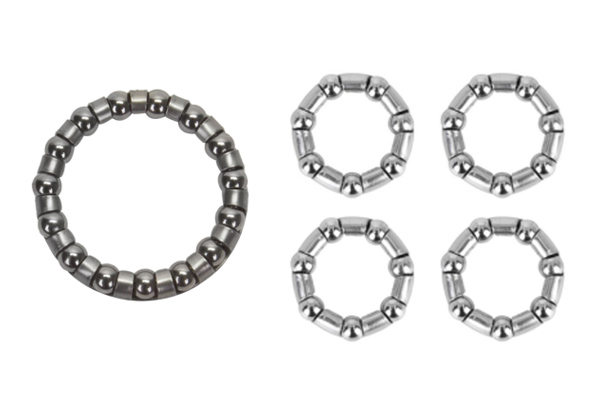
Kugelhalter – Kugellagerkäfig und Kugelseparator für leichte Bewegungsbaugruppen
Kugelhalter, auch bekannt als Kugellagerkäfig oder Kugelseparator, ist eine Lagerkomponente, die dazu dient, Kugeln zu trennen, gleichmäßige Abstände zu gewährleisten und die Wälzkörper während der Bewegung zu führen. Ein korrekt spezifizierter Halter reduziert den Kontakt zwischen den Kugeln, unterstützt eine gleichmäßigere Rotation und verbessert die Stabilität der Baugruppe in mechanischen Leichtlastsystemen.
SDBALLS liefert Kugelhalter in mehreren Standardkonfigurationen mit Kugelgrößen von 4 mm, 4,76 mm, 6 mm, 6,35 mm und 8 mm gemäß den bestehenden Katalogspezifikationen. Diese Komponenten werden in lauflosen Kugeltransfereinheiten, Leichtlast-Bewegungsbaugruppen, Displayvorrichtungen, Fahrradkomponenten, Toren, Schiebemechanismen, kleinen Förderanlagen, Vorrichtungen und kundenspezifischen OEM-Baugruppen eingesetzt.
| Artikel | Empfohlener Seiteninhalt |
| Produkttyp | Kugelhalter / Kugellagerkäfig / Kugelseparator |
| Gängige Ballgrößen | 4 mm, 4,76 mm, 6 mm, 6,35 mm, 8 mm; andere Größen nach Zeichnungsprüfung |
| Standard-Katalogstrukturen | Mehrere Halterkonfigurationen, gelistet nach Kugelgröße × Anzahl und Rahmendurchmesser |
| Rahmendurchmesser-Referenz | Dmax- und Dmin-Abmessungen zur Anpassung an Kundenbaugruppen |
| Anpassung | OEM- und ODM-Größen, Kugelanzahl, Rahmendurchmesser, Lochbild und Material vorbehaltlich der Produktionsbestätigung |
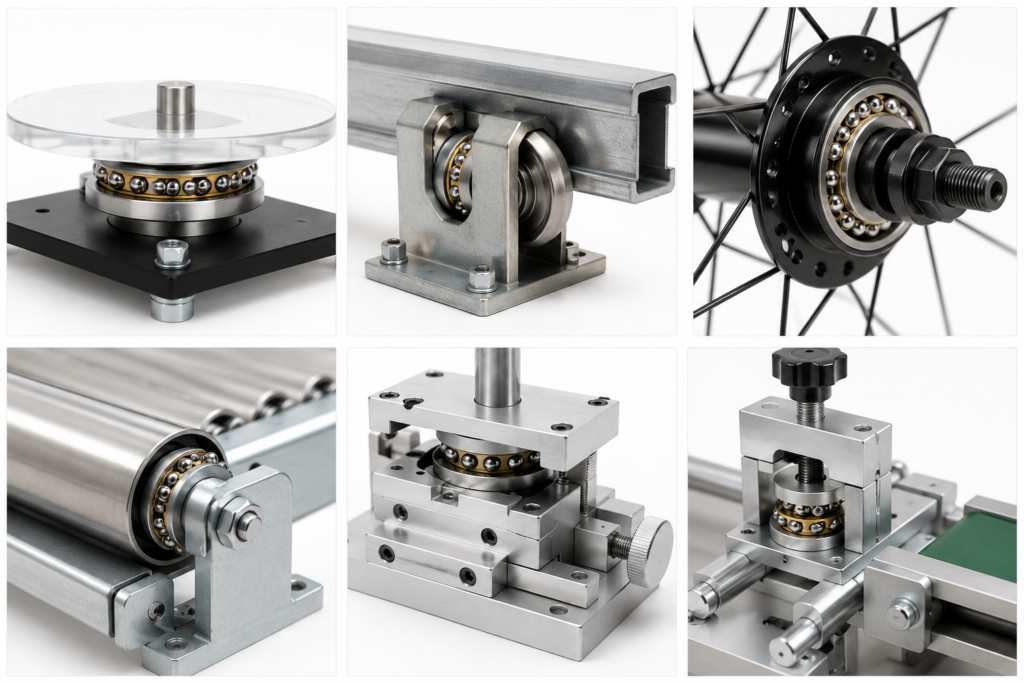
| Typische Anwendungen | Verkaufsdisplays, Fahrradteile, Tore, Schiebebeschläge, Leichtlastförderer, Vorrichtungen, mechanische Displays |
Dieses Produkt teilen
Produktübersicht
Ein Kugelkäfig ist kein loses Kugelprodukt, sondern eine funktionale Lager- und Bewegungskomponente. Sein Zweck ist es, Wälzkörper gleichmäßig zu beabstanden, den direkten Kontakt zwischen Kugeln zu reduzieren und einen gleichmäßigeren und berechenbareren Lauf der Baugruppe zu unterstützen. In vielen Konstruktionen hält der Käfig zudem die Wälzkörper zusammen, was Handhabung und Montage erleichtert.
Für SDBALLS sollte diese Seite unter Rollen & Komponenten und nicht unter gewöhnlichen Stahlkugeln positioniert werden. Der Käufer fragt in der Regel nicht nur nach einem Kugeldurchmesser, sondern nach einer abgestimmten Käfiggeometrie, Kugelanzahl, Rahmen- und Kugeldurchmesser, Material und Anwendungspassung. Daher sollte diese Seite Kunden dazu anleiten, vor der Angebotserstellung Zeichnungen, Muster, Dmax/Dmin-Maße, Kugelgröße, Kugelanzahl und Betriebsbedingungen bereitzustellen.
Werkstoffauswahl & technische Positionierung
Kugelkäfige werden üblicherweise entsprechend der Montagestruktur, dem Lastniveau, der Bewegungsgeschwindigkeit, den Reibungsanforderungen, der Temperatur, der korrosiven Umgebung und den Kostenzielen ausgewählt. Für viele Leichtbauanwendungen werden gestanzte Metallkäfige bevorzugt, da sie eine wiederholbare Geometrie, konsistente Kugelabstände und eine wirtschaftliche Serienproduktion bieten.
Der Käfig sollte nicht als eigenständiges Hochlastlager beschrieben werden. Es handelt sich um eine Abstands- und Führungskomponente, die mit Kugeln, Laufbahnen, Führungsschienen, -wellen, Gehäusen oder Stützplatten zusammenwirkt. Wenn die Anwendung höhere Lasten, höhere Geschwindigkeiten, hohe Temperaturen, Korrosionsbeständigkeit oder geringe Geräuschentwicklung erfordert, müssen das Käfigmaterial und die -geometrie gemeinsam mit der gesamten Baugruppenkonstruktion festgelegt werden.
Referenz für Standardspezifikation
| Nr. | Spezifikation | Dmax / Außenrahmen-Durchmesser | Dmin / Innenrahmen-Durchmesser |
| #1 | 4 mm × 22 | 40 mm | 33.5 mm |
| #2 | 4 mm × 16 | 37.4 mm | 31 mm |
| #3 | 8 mm × 9 | 44.5 mm | 31 mm |
| #4 | 4 mm × 20 | 40 mm | 33.5 mm |
| #5 | 4 mm × 20 | 37 mm | 27 mm |
| #6 | 8 mm × 7 | 37,6 mm | 24 mm |
| #7 | 6 mm × 9 | 33,7 mm | 24 mm |
| #8 | 4,76 mm × 9 | 30,7 mm | 22 mm |
| #9 | 6,35 mm × 9 | 29 mm | 18 mm |
| #10 | 6 mm × 7 | 25 mm | 14 mm |
| #11 | 4,76 mm × 7 | 20,4 mm | 12 mm |
| #12 | 4 mm × 7 | 18,8 mm | 11 mm |
| #13 | 6,35 mm × 15 | 43,7 mm | 31,5 mm |
| #14 | 4,76 mm × 15 | 39 mm | 27,3 mm |
Hinweis: Die obige Tabelle ist eine Katalogreferenz, die auf vorhandenen Seitendaten basiert. Endgültige Abmessungen, Toleranzen, Material und Oberflächenbeschaffenheit sollten durch Zeichnung, Muster oder Kundenanwendungsanforderungen bestätigt werden.
Hauptvorteile für Käufer
- Hält einen konstanten Kugelabstand aufrecht und reduziert Interferenzen zwischen den Kugeln.
- Unterstützt gleichmäßigere Dreh- oder Gleitbewegungen in Leichtbau-Montagegruppen.
- Hilft, Wälzkörper während der Montage und Handhabung organisiert zu halten.
- Nützlich für laufringlose oder vereinfachte Konstruktionen, bei denen eine kontrollierte Kugelpositionierung erforderlich ist.
- Mehrere Kataloggrößen helfen Käufern, vorhandene Baugruppen schneller zuzuordnen.
- OEM- und ODM-Anpassung kann nicht standardmäßige Kugelanzahlen, Durchmesser oder Rahmenabmessungen unterstützen.
- Geeignet für kostensensible Leichtbau-Bewegungssysteme, bei denen ein vollständiges Präzisionslager möglicherweise nicht erforderlich ist.
Anwendungen & Anwendungseignung
| Anwendung | Eignungsstufe | Hinweis für den Käufer |
| Verkaufsdisplays und Drehvorrichtungen | Sehr gut | Unterstützt gleichmäßige Leichtbaubewegungen in Displayeinheiten und drehtellerartigen Baugruppen. |
| Tor- und Schiebebeschläge | Gut | Bietet kontrollierte Wälzkörperabstände für vorhersehbare Bewegungen in einfachen mechanischen Strukturen. |
| Fahrradkomponenten-Baugruppen | Gut | Geeignet für ausgewählte Leichtbau-Lager- oder Bewegungskonstruktionen, bei denen eine kompakte Führung benötigt wird. |
| Leichte Förderbänder und manuelle Rollen | Gut | Hilft, Reibungspunkte zu reduzieren und ein gleichmäßiges Rollverhalten unter moderaten Bedingungen zu verbessern. |
| Vorrichtungen, Spannwerkzeuge und Prototypenmechanismen | Gut | Einfach zu integrieren, wenn Konstrukteure geordnete Kugelabstände ohne komplexe Lagerstrukturen benötigen. |
| Anpassungen der Verpackungsanlagen | Gut | Kann langsame Einstell- oder Positioniermechanismen unterstützen. |
Leitfaden zur Komponentenauswahl
| Komponentenoption | Typische Festigkeit | Wann zu empfehlen |
| Kugelkäfig / Kugelseparator | Hält Kugeln gleichmäßig beabstandet und organisiert | Wenn die Baugruppe kontrollierte Kugelabstände in einer Leichtbaustruktur benötigt |
| Nur lose Kugeln | Geringste Komponentenkosten und flexible Befüllung | Wenn das Gehäuse oder der Laufring bereits Abstände und Kugelbewegung kontrolliert |
| Vollständiges Kugellager | Integrierte Ringe, Kugeln und Käfig für kontrollierte Lagerleistung | Wenn Drehzahl, Tragzahl, Geräusch, Schmierung und Lebensdauer als vollständige Einheit ausgelegt werden müssen |
| Nadelkranz & Käfigeinheit | Kompakte Lösung für hohe Radiallasten | Wenn der radiale Bauraum begrenzt ist und die lineare/rotative Tragfähigkeit wichtiger ist als die Kugelbewegung |
| Kugeltransfereinheit | Einbaufertige omnidirektionale Transfereinheit | Wenn der Kunde eine fertige Transfereinheit und nicht nur einen Käfig benötigt |
Fertigung & Prozesskontrolle
Die Qualität eines Kugelkäfigs hängt von konsistenter Geometrie, Taschenabstand, Umformstabilität, Gratkontrolle und Maßwiederholgenauigkeit ab. Typische Prozesskontrollen können Materialauswahl, Stanzen oder Umformen, Beschneiden, Entgraten, ggf. Oberflächenbehandlung, Maßprüfung, Sichtprüfung und Verpackung umfassen.
Bei kundenspezifischen Käfigen sollte SDBALLS klären, ob der Käufer Standard-Katalogmaße, eine fertigungsgerechte Zeichnung, eine Nachkonstruktion anhand von Mustern oder montierte Einheiten mit Kugeln benötigt. Der Fertigungsweg kann sich je nach Kugelgröße, Kugelanzahl, Käfigdurchmesser, Materialstärke und Anwendungsanforderung ändern.
Qualitätskontrolle & Prüfung
Typische Prüfpunkte umfassen die Abstimmung des Kugeldurchmessers, die Kugelanzahl, Dmax, Dmin, die allgemeine Rundheit oder Kreisform, den Taschenabstand, Oberflächengrate, die Materialbestätigung, den Oberflächenzustand und die Verpackung. Für OEM-Projekte kann SDBALLS über Musterfreigabe, Prüfberichte, Chargenrückverfolgbarkeit, kundenspezifische Etikettierung und langfristige Kontrolle bei Wiederholaufträgen sprechen.
Verpackungsoptionen
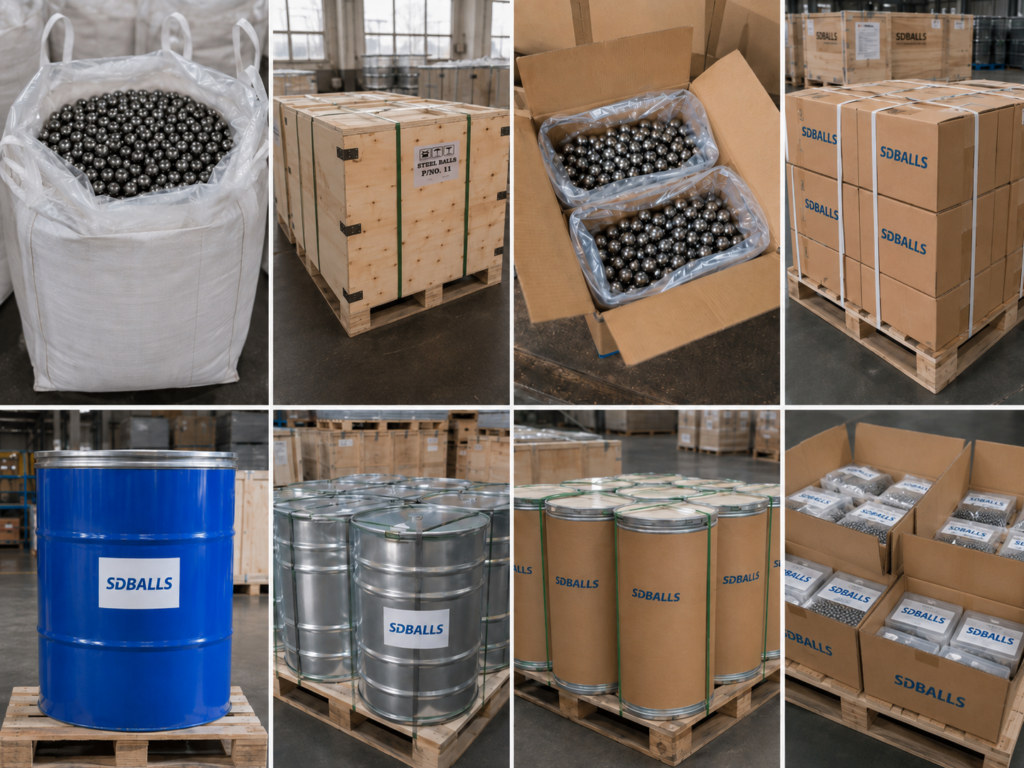
Kugelkäfige können in Schüttgutbeuteln, Kartons, Trays, Eimern, Paletten oder kundenspezifischer Exportverpackung verpackt werden. Für Käfige, die als passende Einheit mit Kugeln geliefert werden, wird eine schützende Verpackung empfohlen, um Verformung, Verschmutzung oder Oberflächenschäden während des Transports zu vermeiden.
Hinweise zur Angebotsanfrage
Für eine genaue Angebotserstellung bitte angeben: Kugeldurchmesser, Kugelanzahl, Dmax, Dmin, Käfigmaterial, Materialstärke (falls bekannt), gewünschte Oberflächengüte, Menge, Anwendung, Last- und Geschwindigkeitsbedingungen, ob die Kugeln mitgeliefert werden sollen, Zeichnung oder Muster, Verpackungsmethode, Bestimmungshafen und Handelsbedingungen. Bei Ersatzprojekten sind Fotos und gemessene Abmessungen des aktuellen Teils sehr hilfreich.
Technische FAQ
F: Wozu dient ein Kugelhalter?
A: Ein Kugelkäfig dient dazu, Kugeln zu trennen, einen gleichmäßigen Abstand zu gewährleisten und die Wälzkörper in einem Lager oder einer leichten Bewegungsbaugruppe zu führen.
F: Ist ein Kugelkäfig dasselbe wie ein Lagerkäfig?
A: In vielen Kugellageranwendungen werden die Begriffe Kugelkäfig, Kugellagerkäfig und Kugelseparator für dieselbe Funktion zur Abstandshaltung und Führung verwendet.
F: Kann ein Kugelkäfig ohne Laufringe verwendet werden?
A: Ja, einige Kugelkäfige werden in leichten Anwendungen ohne Laufringe eingesetzt, z. B. in Verkaufsdisplays, Toren, Fahrradkomponenten und einfachen Bewegungsmechanismen. Die Gesamtkonstruktion sollte dennoch auf Belastung und Verschleiß geprüft werden.
F: Welche Spezifikationen werden zur Auswahl benötigt?
A: Die Schlüsselabmessungen sind Kugeldurchmesser, Kugelanzahl, Dmax, Dmin, Käfigmaterial, Dicke und die Einbauumgebung. Eine Zeichnung oder ein Muster ist der beste Weg, um die Genauigkeit zu bestätigen.
F: Kann SDBALLS die Kugeln zusammen mit dem Käfig liefern?
A: Ja, SDBALLS kann die passende Lieferung von Kugeln und Käfigen besprechen, sobald der Käufer Material, Größe, Menge und Anwendungsanforderungen bestätigt hat.
F: Kann der Käfig individuell angepasst werden?
A: Ja. OEM- und ODM-Anpassungen können für nicht standardmäßige Käfigdurchmesser, Kugelanzahl, Kugelgröße, Material, Oberfläche und Verpackung besprochen werden.
F: Für welche Anwendungen werden Standardkäfige nicht empfohlen?
A: Standard-Leichtbaukäfige werden nicht als direkter Ersatz für konstruktiv ausgelegte Käfige in Hochgeschwindigkeits- oder Schwerlastlagern empfohlen, ohne vollständige Bestätigung der Lagerauslegung.
F: Auf welche Qualitätsmerkmale sollten Käufer achten?
A: Käufer sollten auf gleichmäßige Abstände, Gratkontrolle, korrekte Kugelpassung, Käfigdurchmesser, Material, Oberflächenbeschaffenheit und darauf achten, ob der Käfig in der Endmontage leichtgängig funktioniert.
Verwandte Produkte
Antrag auf Anlage A
Nehmen Sie noch heute Kontakt mit uns auf, wenn Sie eine unserer Dienstleistungen benötigen. (*) Kennzeichnet Pflichtfelder.