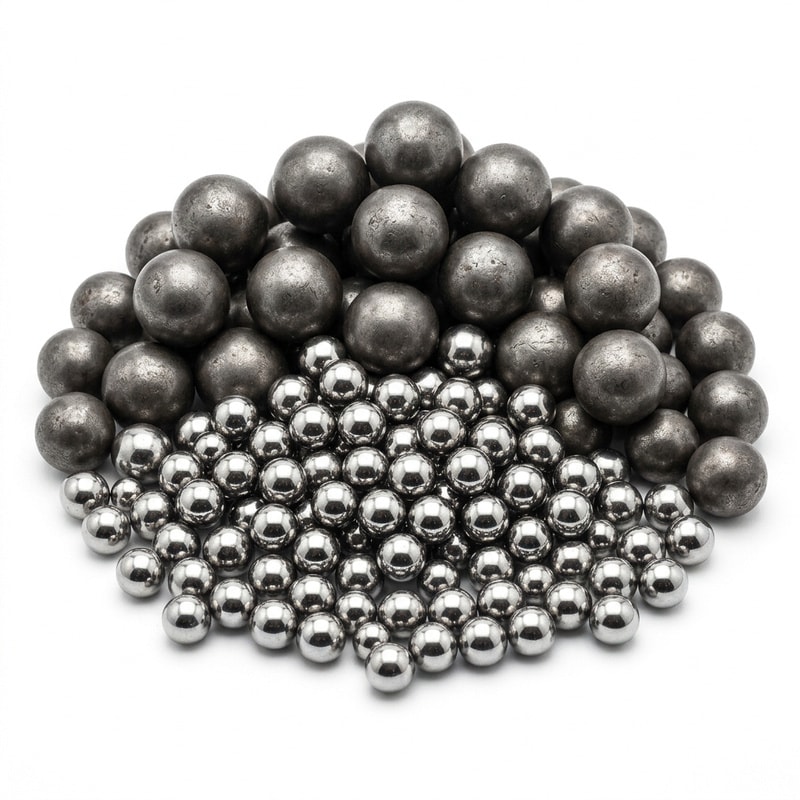
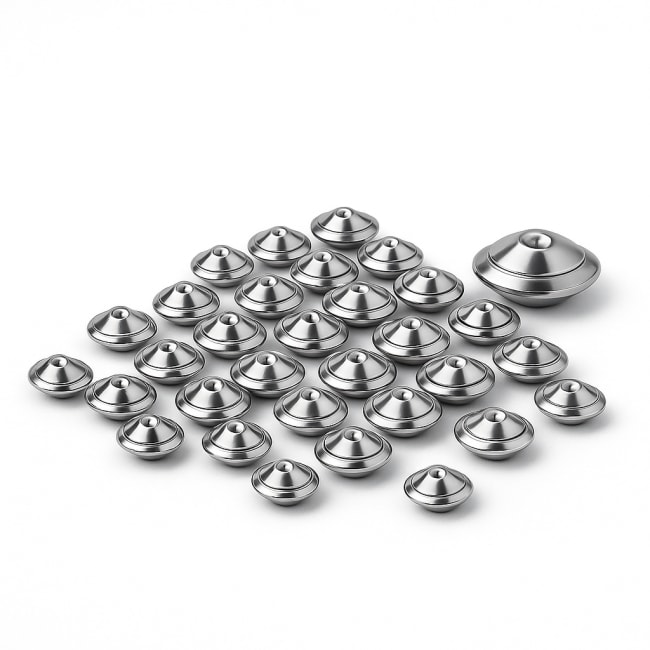
Carbon Steel vs Chrome Steel vs Stainless Steel Balls

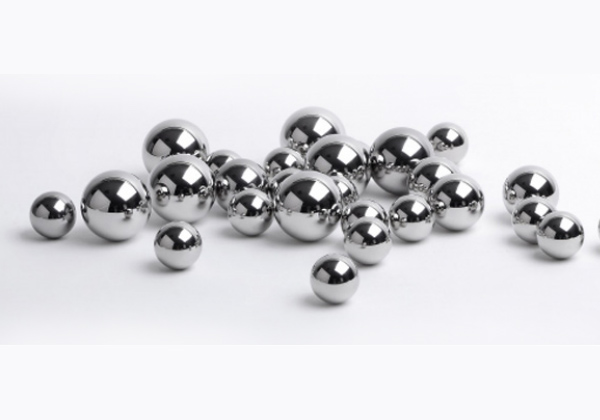
Carbon steel balls, chrome steel balls, and stainless steel balls are widely used across global industries. Although they are all steel balls, their material properties, hardness, corrosion resistance, cost, and applications are different.
For international buyers, understanding these differences helps reduce sourcing mistakes and ensures the selected product meets performance requirements.
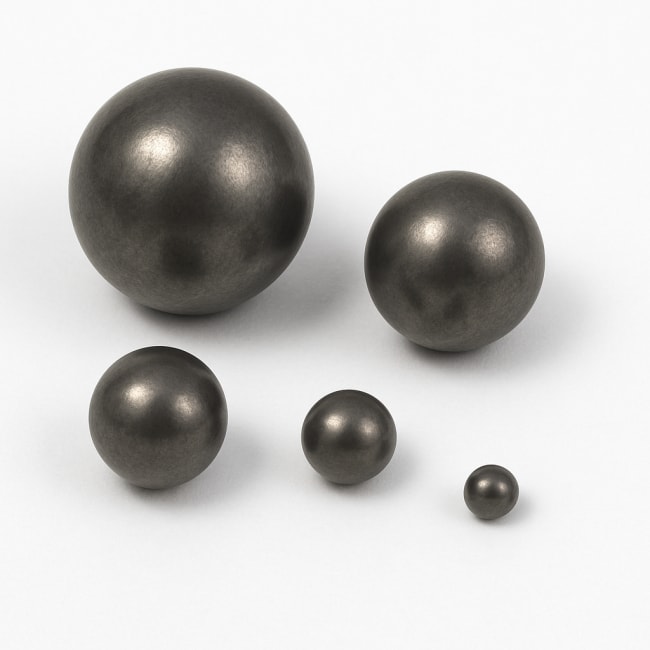
1. Carbon Steel Balls
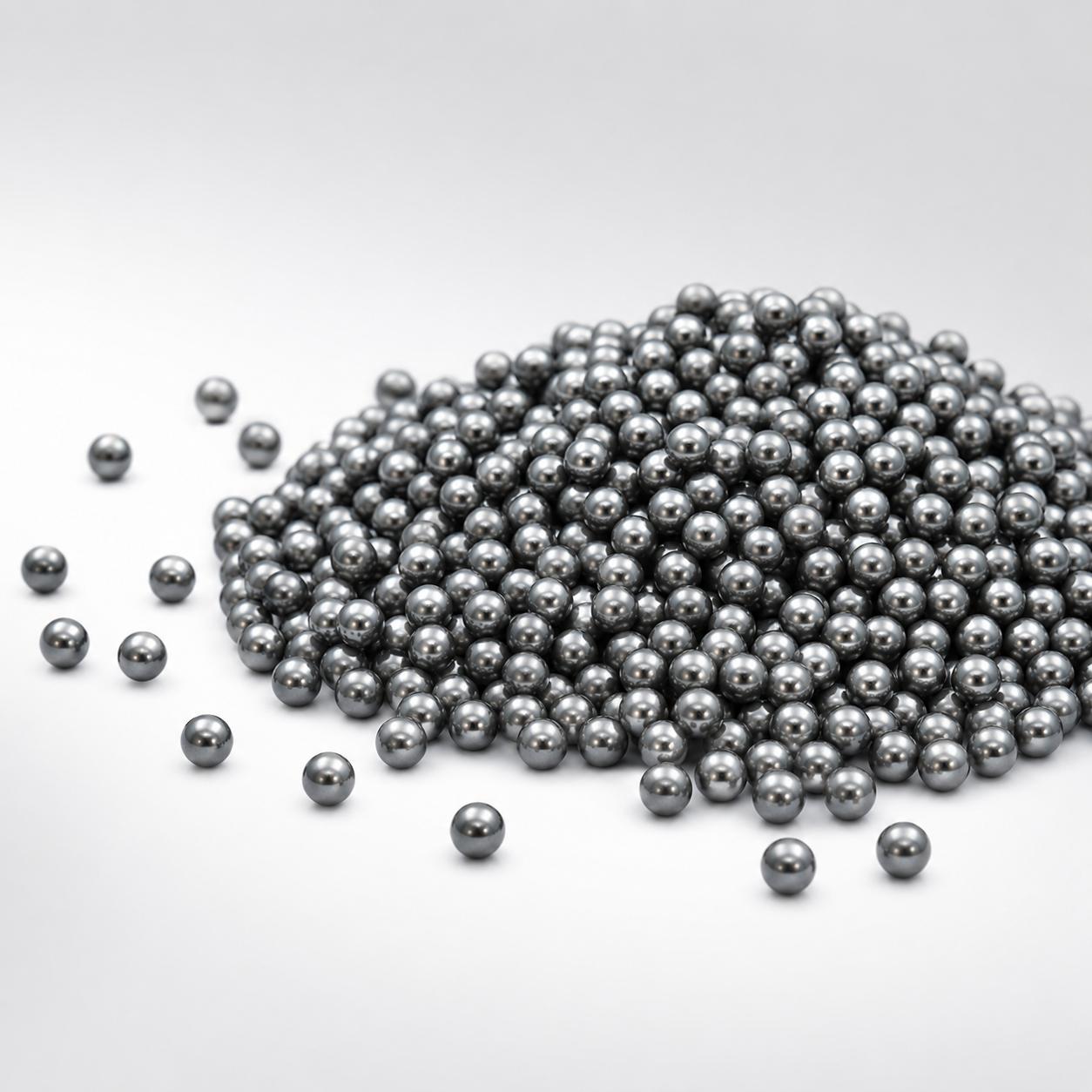
Carbon steel balls are one of the most economical steel ball options. They are widely used in hardware, caster wheels, bicycles, toys, sliding systems, furniture accessories, and general mechanical parts.
Common materials include AISI 1010, 1015, 1045, 1065, and 1085.
Low-carbon steel balls can be used in softer conditions or for applications requiring further processing. High-carbon steel balls can achieve higher hardness after heat treatment and are suitable for applications requiring better wear resistance.
Main Advantages
Cost-effective
Wide size range
Suitable for general industrial applications
Available in different hardness conditions
Good for bulk and high-volume supply
Limitations
Carbon steel balls are not corrosion-resistant like stainless steel. They may require oiling, anti-rust packing, plating, or other surface protection depending on the storage and application environment.
2. Chrome Steel Balls
Chrome steel balls are typically made from AISI 52100, GCr15, or SUJ2 bearing steel. They are known for high hardness, excellent wear resistance, and good fatigue strength.
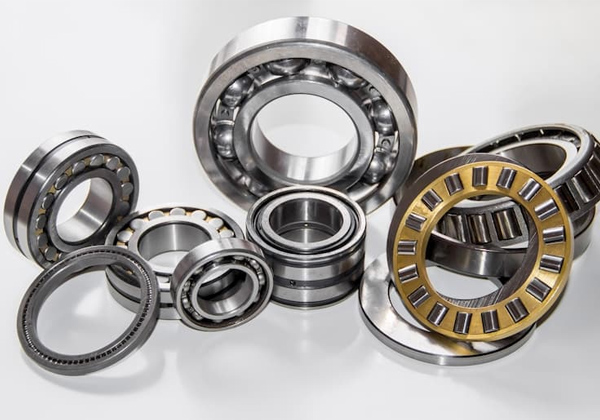
They are widely used in bearings, automotive systems, precision machinery, linear motion systems, and wear-resistant mechanical components.
Main Advantages
High hardness
Excellent wear resistance
Good fatigue performance
Suitable for bearing and precision applications
Stable dimensional performance when properly manufactured
Limitations
Chrome steel balls are not stainless. Although they contain chromium, they still require rust prevention during storage, shipment, and use. They are usually supplied with oil protection or other anti-rust treatment.
Chrome steel balls are generally more expensive than basic carbon steel balls but offer better performance for demanding applications.
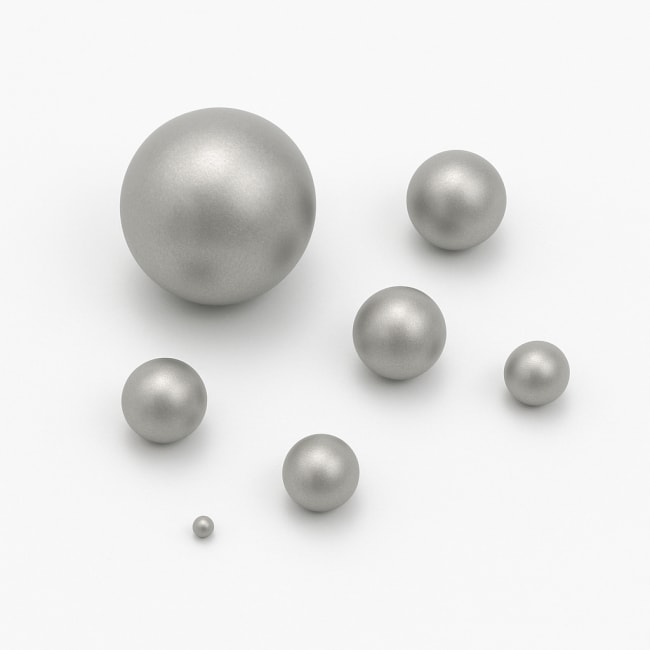
3. Stainless Steel Balls
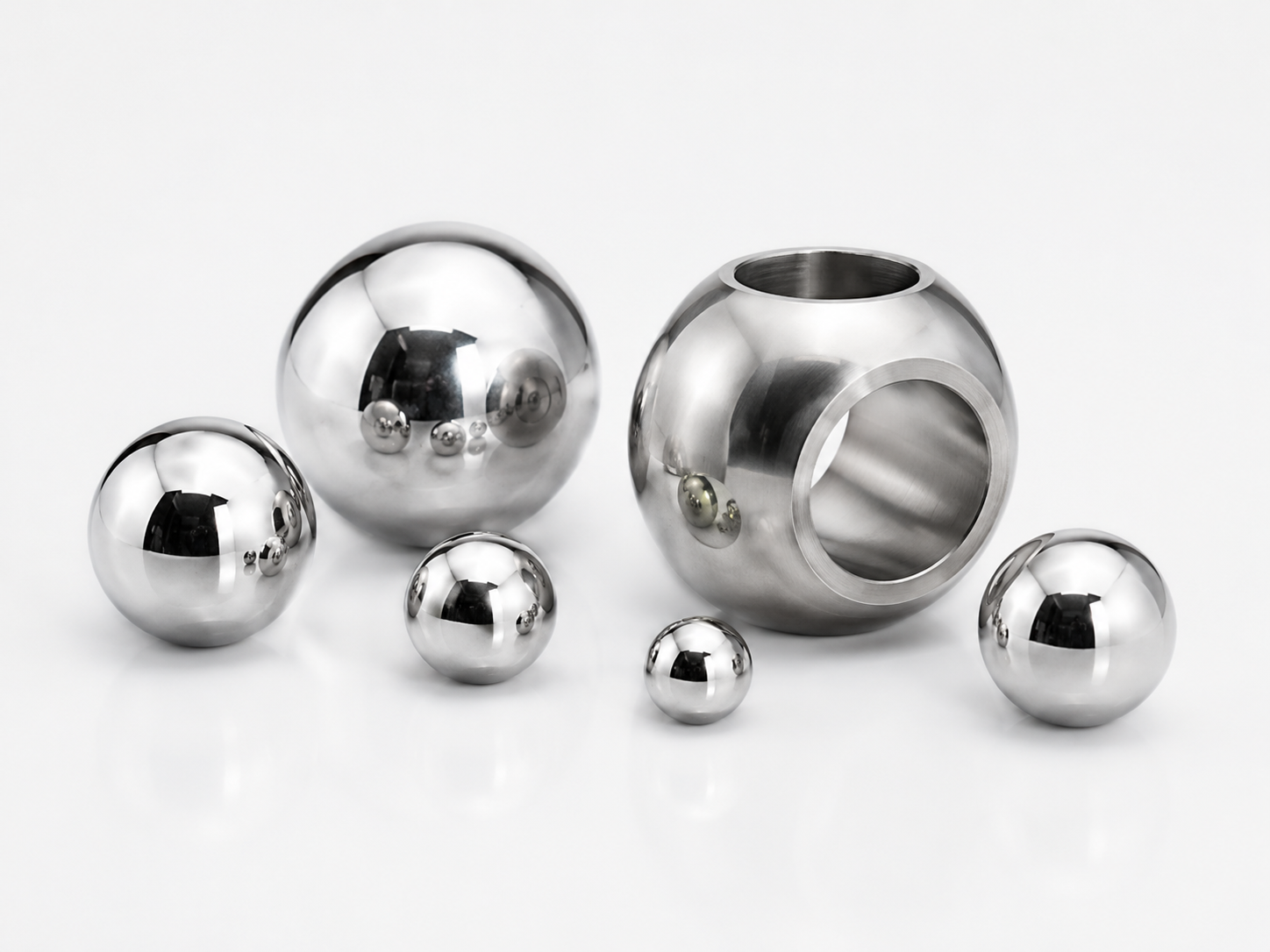
Stainless steel balls are selected mainly for corrosion resistance. They are used in food equipment, medical devices, valves, pumps, cosmetic packaging, spray bottles, chemical environments, and other applications where rust resistance is important.
Common materials include AISI 304, 316, 420, 440C, and 201.
304 and 316 stainless steel balls are often used where corrosion resistance is the main requirement. 316 offers better corrosion resistance than 304 in many environments. 420 and 440C stainless steel balls can provide higher hardness after heat treatment and are used where both corrosion resistance and hardness are needed.
Main Advantages
Corrosion resistance
Clean surface appearance
Suitable for food, medical, valve, and packaging applications
Multiple stainless grades available
Good option for humid or chemical environments
Limitations
Stainless steel balls are usually more expensive than carbon steel balls. Different stainless grades have different hardness and magnetic properties, so material selection must be based on the actual application.
4. Quick Comparison
Carbon Steel Balls
Best for: hardware, wheels, bicycles, general components
Main advantage: cost-effective
Main limitation: lower corrosion resistance
Chrome Steel Balls
Best for: bearings, automotive, precision machinery
Main advantage: high hardness and wear resistance
Main limitation: requires rust protection
Stainless Steel Balls
Best for: food, medical, valves, cosmetics, spray systems
Main advantage: corrosion resistance
Main limitation: higher cost, grade selection needed
5. How to Choose
Choose carbon steel balls when cost efficiency and general mechanical performance are the main priorities.
Choose chrome steel balls when hardness, wear resistance, and precision performance are required.
Choose stainless steel balls when corrosion resistance, clean surface quality, or special working environments are important.
For special requirements, buyers should also confirm grade, hardness, tolerance, surface finish, packing, and documentation requirements before ordering.
Conclusion
Carbon steel, chrome steel, and stainless steel balls each serve different industrial needs. The right material depends on the working environment, performance requirement, corrosion resistance, precision, and cost target.
SDBALLS manufactures and supplies carbon steel balls, chrome steel balls, stainless steel balls, and customized sphere solutions for global industrial applications.

Need help comparing steel ball materials?
Contact SDBALLS with your application and specifications for a suitable recommendation.

About the Author
We are SD Ball, a professional manufacturer dedicated to delivering high-precision steel ball solutions worldwide. With years of expertise, we specialize in advanced production processes, strict quality control, and customized solutions to support diverse industrial applications. From material selection to final inspection, we provide reliable products and consistent performance to help our clients achieve higher efficiency, durability, and product quality.
Share