
-9.png)
-8.png)
-8.png)
-8.png)
-8.png)
Kulki z tlenku glinu – Precyzyjne kulki ceramiczne Al2O3
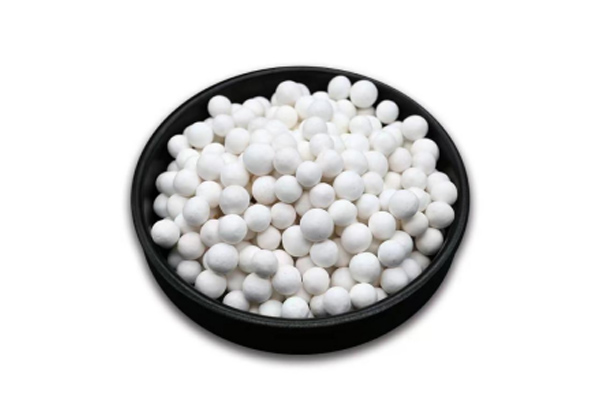
Kulki z tlenku glinu, znane również jako kulki ceramiczne Al2O3 lub kulki z ceramiki korundowej, to wysokowydajne kulki ceramiczne wykonane z tlenku glinu o wysokiej czystości. Są wybierane do zastosowań wymagających wysokiej twardości, odporności na zużycie, izolacji elektrycznej, niskiego magnetyzmu, odporności chemicznej i stabilności wymiarowej w podwyższonych temperaturach.
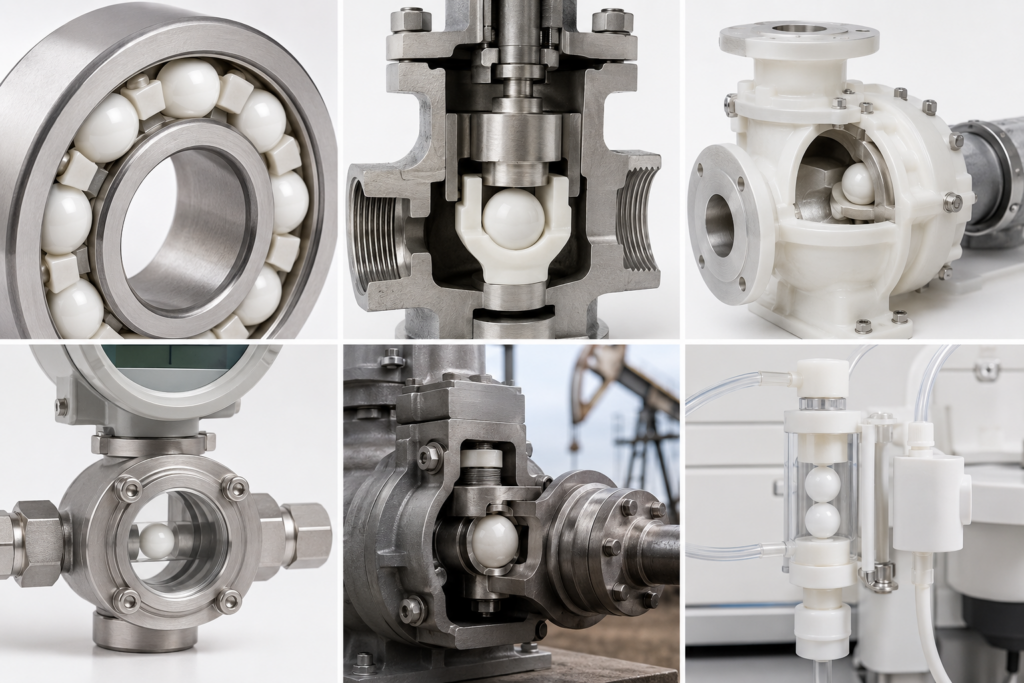
SDBALLS dostarcza ceramiczne kulki z tlenku glinu o średnicach od 1,0 mm do 50,8 mm, w klasach dokładności od ISO 3290 G5 do G40. Kulki te znajdują szerokie zastosowanie w łożyskach specjalnych, zaworach zwrotnych, zaworach regulacyjnych, przepływomierzach, przyrządach pomiarowych, pompach do środowisk korozyjnych, urządzeniach petrochemicznych oraz wybranych urządzeniach medycznych i laboratoryjnych.
| Przedmiot | Zalecana treść strony |
| Nazwa handlowa | Kulki ceramiczne z tlenku glinu Al2O3 / kulki ceramiczne z tlenku aluminium |
| Struktura materiału | Ceramika polikrystaliczna z tlenku glinu |
| Średnica | 1,0 mm – 50,8 mm |
| Klasa precyzji | ISO 3290 G5 – G40 |
| Typowe zastosowania | Łożyska specjalne, zawory zwrotne, zawory regulacyjne, pompy do środowisk korozyjnych, przepływomierze, narzędzia pomiarowe, urządzenia petrochemiczne i sprzęt medyczny |
Udostępnij ten produkt
Przegląd produktu
Kulki z tlenku glinu to precyzyjne kulki ceramiczne wykonane z tlenku aluminium (Al2O3). W porównaniu do kulek stalowych są lżejsze, niemagnetyczne i elektroizolacyjne. Charakteryzują się również wysoką twardością, odpornością na ścieranie, odpornością na korozję i stabilnością wymiarową w wysokich temperaturach.
Dla nabywców przemysłowych główną zaletą kulek z tlenku glinu jest niezawodne działanie w środowiskach, w których zwykłe kulki stalowe mogą być zbyt przewodzące, za ciężkie, niedostatecznie odporne na korozję lub nieodpowiednie do podwyższonych temperatur. Są one powszechnie stosowane w specjalnych konstrukcjach łożysk, zespołach sterujących przepływem, pompach do chemikaliów i ropy naftowej, przepływomierzach i przyrządach pomiarowych.
Dobór materiału i pozycjonowanie techniczne
Kulki ceramiczne z tlenku glinu najlepiej sprawdzają się jako opcja ceramiczna o wysokiej twardości, izolacji elektrycznej i stabilności chemicznej. Nie stanowią one bezpośredniego zamiennika dla każdego zastosowania kulek stalowych. Należy je wybierać, gdy środowisko pracy wymaga właściwości ceramicznych, takich jak izolacja elektryczna, niska reakcja magnetyczna, odporność na ciepło, odporność na korozję lub zwiększona stabilność wymiarowa.
W porównaniu do kulek z azotku krzemu, kulki z tlenku glinu zazwyczaj oferują dobrą odporność na korozję i izolację przy bardziej ekonomicznym poziomie materiału ceramicznego, jednak Si3N4 może być preferowany w zastosowaniach łożysk o bardzo wysokich prędkościach ze względu na mniejszą gęstość i wyższą odporność na pękanie. W porównaniu do kulek ceramicznych z cyrkonu, tlenek glinu jest generalnie twardszy i sztywniejszy, podczas gdy cyrkon jest zwykle bardziej odporny na pękanie i gęstszy. W porównaniu do kulek ze stali nierdzewnej, tlenek glinu zapewnia lepszą izolację i odporność na korozję w wielu środowiskach chemicznych, jednak należy dokładnie ocenić kruchość ceramiki i warunki udarowe.
Dane techniczne
| Pozycja specyfikacji | Wartość typowa / Treść strony |
| Tworzywo | Tlenek glinu / ceramika korundowa / Al2O3 |
| Typowa czystość | Standardowo 99,5% Al2O3; ostateczna czystość zależy od oferty i potwierdzenia zamówienia |
| Zakres średnic | 1,0 mm – 50,8 mm |
| Klasy precyzji | ISO 3290 G5, G10, G16, G20, G28, G40; wybór w zależności od zastosowania i celów kosztowych |
| Kolor / Wygląd | Powierzchnia ceramiczna od białej do kości słoniowej; mogą wystąpić niewielkie różnice odcieni w zależności od partii ceramiki i wykończenia |
| Twardość | Typowy zakres odniesienia HV 1250 – 1700 |
| Gęstość | Ok. 3,9 g/cm³ |
| Moduł Younga | Ok. 365 GPa |
| Magnetyzm | Niemagnetyczny |
| Właściwość elektryczna | Doskonała izolacja elektryczna |
| Odporność na korozję | Doskonała odporność w wielu środowiskach wodnych, roztworach soli i kwasów; nie nadaje się do kwasu fluorowodorowego, kwasu solnego, gorącego stężonego kwasu siarkowego lub silnych roztworów zasadowych bez przeglądu aplikacji |
| Temperatura pracy | Materiał ceramiczny odporny na wysokie temperatury; praktyczny limit eksploatacji zależy od obciążenia, cykli termicznych, współpracujących części i medium roboczego |
Odniesienie do składu materiału
| Tworzywo | Główny skład | Uwagi |
| Tlenek glinu / ceramika korundowa | Al2O3, powszechnie 99,5% czystości referencyjnej dla tej strony produktu | Ostateczny skład i czystość powinny być zgodne z potwierdzoną ofertą, rysunkiem lub wymaganiami zamówienia zakupu |
| Inne fazy ceramiczne / dodatki | Niewielki udział w zależności od formulacji ceramiki i procesu wytwarzania | Stosowane w celu wspomagania spiekania, kontroli mikrostruktury i końcowych właściwości ceramiki |
Właściwości mechaniczne i termiczne
| Nieruchomość | Typowa wartość referencyjna | Uwaga dla kupującego |
| Twardość | HV 1250 – 1700 | Wysoka twardość zapewnia odporność na zużycie i trwałość powierzchni |
| Gęstość | Ok. 3,9 g/cm³ | Lżejsza od stali; cięższa od azotku krzemu |
| Moduł Younga | Ok. 365 GPa | Wysoka sztywność zapewnia stabilność wymiarową |
| Wytrzymałość na ściskanie / referencja wytrzymałości mechanicznej | Wysoka wytrzymałość ceramiki; wartość właściwa dla projektu powinna być potwierdzona, gdy jest krytyczna | Należy unikać traktowania kulek ceramicznych jak kulek z ciągliwych metali przy obciążeniach udarowych lub silnych wstrząsach |
| Temperatura pracy | Materiał ceramiczny wysokotemperaturowy; oryginalne źródło SDBALLS podaje 1100/1600 °C | Rzeczywista temperatura robocza zależy od obciążenia, szoku termicznego, współpracującego materiału i medium |
Odporność chemiczna i granice zastosowań
Kulki ceramiczne z tlenku glinu wykazują doskonałą odporność w wielu środowiskach wodnych, roztworach soli i kwasów. Dzięki temu nadają się one do wielu zastosowań związanych z kontrolą przepływu cieczy, dozowaniem i pompami w środowiskach korozyjnych, gdzie kulki stalowe mogą rdzewieć lub zanieczyszczać układ.
Dla kupujących inżynieryjnych należy wyraźnie określić istotne ograniczenia zastosowań. Kulki ceramiczne z tlenku glinu generalnie nie są zalecane do kwasu fluorowodorowego, kwasu solnego, gorącego stężonego kwasu siarkowego ani silnych roztworów alkalicznych, chyba że klient przeprowadził testy kompatybilności. Kulki ceramiczne wymagają również przeglądu w zastosowaniach związanych z ciężkimi udarami, silnymi obciążeniami krawędziowymi, nagłymi szokami termicznymi lub niekontrolowanymi obciążeniami zgniatającymi.
Zastosowania i dopasowanie aplikacyjne
| Aplikacja | Poziom dopasowania | Dlaczego pasuje | Uwaga dla kupującego |
| Łożyska specjalne / zespoły łożysk ceramicznych | Bardzo dobre | Wysoka twardość, niska odpowiedź magnetyczna i izolacja elektryczna umożliwiają tworzenie specjalnych konstrukcji łożysk | Należy potwierdzić prędkość, obciążenie, materiał koszyka, smarowanie i warunki udarowe |
| Zawory zwrotne i regulacyjne | Bardzo dobre | Odporność na korozję, stabilność wymiarowa i wypolerowana powierzchnia wspomagają funkcje uszczelniania i kontroli przepływu | Należy potwierdzić materiał gniazda, medium, ciśnienie i kompatybilność chemiczną |
| Pompy i zawory do środowisk korozyjnych | Bardzo dobre | Odpowiednie, gdy kulki metalowe mogłyby korodować lub zanieczyszczać płyn | Sprawdź kwasy, zasady, temperaturę i cykle termiczne |
| Przepływomierze i narzędzia pomiarowe | Dobry | Stabilna geometria ceramiki, niska odpowiedź magnetyczna i izolacja wspierają precyzyjne aplikacje pomiarowe | Potwierdź wymagania dotyczące gatunku, tolerancji średnicy i wyglądu zewnętrznego |
| Pompy do urządzeń naftowych | Dobry | Odporność na zużycie, ciepło i korozję może wspierać wybrane zespoły pomp związane z przemysłem naftowym | Potwierdź skład medium i temperaturę roboczą |
| Urządzenia medyczne/laboratoryjne | Zależne od zastosowania | Czystość ceramiki, niemagnetyczne właściwości i odporność chemiczna mogą być przydatne | Potwierdź osobno wymagania regulacyjne, czyszczenia i biokompatybilności |
| Media do szlifowania lub polerowania | Zależne od zastosowania | Twardy materiał ceramiczny może być stosowany w wybranych procesach niskiego zanieczyszczenia | Potwierdź ryzyko zanieczyszczenia, rozmiar mediów, typ młyna i charakterystykę zużycia |
| Zespoły narażone na duże uderzenia lub obciążenia dynamiczne | Ograniczone | Materiały ceramiczne są twarde, ale bardziej kruche niż ciągliwe metale | W zależności od warunków rozważ alternatywy ze stali nierdzewnej, chromowej lub węglika wolframu |
Przewodnik doboru materiałów
| Opcja materiałowa | Typowa wytrzymałość | Ograniczenie | Kiedy zalecać |
| Kulki ceramiczne z tlenku glinu Al2O3 | Wysoka twardość, odporność na korozję, izolacja elektryczna, stabilność w wysokich temperaturach | Bardziej kruche niż kulki metalowe; nieoptymalne do obciążeń udarowych ani wszystkich przypadków łożysk szybkoobrotowych | Zawory, pompy, przepływomierze, łożyska specjalne oraz zastosowania korozyjne lub izolacyjne |
| Kulki z azotku krzemu Si3N4 | Niska gęstość, zdolność do pracy z dużymi prędkościami, odporność na szok termiczny, charakterystyka łożyskowa | Wyższy koszt; nadal należy sprawdzić zgodność chemiczną | Łożyska hybrydowe, szybkoobrotowe wrzeciona i precyzyjne urządzenia wirujące |
| Kulki z tlenku cyrkonu ZrO2 | Wysoka odporność na pękanie jak na ceramikę, duża gęstość, odporność na korozję | Cięższe niż tlenek glinu i azotek krzemu | Zawory, pompy, części zużywające się i wybrane zastosowania chemiczne |
| Kulki ze stali nierdzewnej AISI 316 | Dobra odporność na korozję i ciągliwość | Niższa twardość niż ceramika; przewodzący elektrycznie | Zastosowania w środowisku wilgotnym lub związane z żywnością, gdzie preferowana jest wytrzymałość metalu |
| Kulki ze stali nierdzewnej AISI 440C | Wysoka twardość i wydajność łożyskowa z umiarkowaną odpornością na korozję | Magnetyczne i przewodzące; nie do środowisk silnie korozyjnych | Zastosowania w łożyskach ze stali nierdzewnej i precyzyjnej mechanice |
| Kulki z węglika wolframu | Wyjątkowo wysoka twardość, duża gęstość i odporność na zużycie | Przewodzące, ciężkie i o wyższym koszcie | Silne zużycie, przyrządy pomiarowe, zawory i zastosowania wysokociśnieniowe |
Produkcja i kontrola procesu
Kulki ceramiczne z tlenku glinu są wytwarzane poprzez przygotowanie proszku ceramicznego, formowanie, spiekanie, precyzyjne szlifowanie, docieranie, polerowanie, czyszczenie, kontrolę i pakowanie. Ostateczna wydajność zależy od czystości materiału, jakości spiekania, kontroli mikrostruktury, dokładności wymiarowej i wykończenia powierzchni.
W projektach precyzyjnych kulek ceramicznych SDBALLS skupia się na spójności średnicy, okrągłości, kontroli klasy, wyglądzie powierzchni, integralności ceramiki i ochronie podczas pakowania. W przypadku projektów OEM kupujący mogą wymagać zatwierdzenia próbki, kontroli rozmiaru, potwierdzenia materiału i dokumentacji partii zgodnie z zastosowaniem.
Kontrola jakości i inspekcja
- Kontrola średnicy i tolerancji wymiarowej zgodnie z uzgodnioną klasą ISO 3290.
- Kontrola okrągłości i wyglądu powierzchni dla precyzyjnego osadzania, toczenia i zastosowań dozujących.
- Potwierdzenie twardości, gęstości lub odniesienia do materiału, gdy wymaga tego specyfikacja projektu.
- Kontrola wizualna pod kątem pęknięć, odprysków, przebarwień i wad powierzchni.
- Kontrola czyszczenia i pakowania w celu zmniejszenia zanieczyszczenia i uszkodzeń transportowych.
- Opcjonalne raporty z inspekcji, wymóg RoHS, testy stron trzecich lub dokumenty specyficzne dla projektu można omówić przed potwierdzeniem zamówienia.
Opcje pakowania
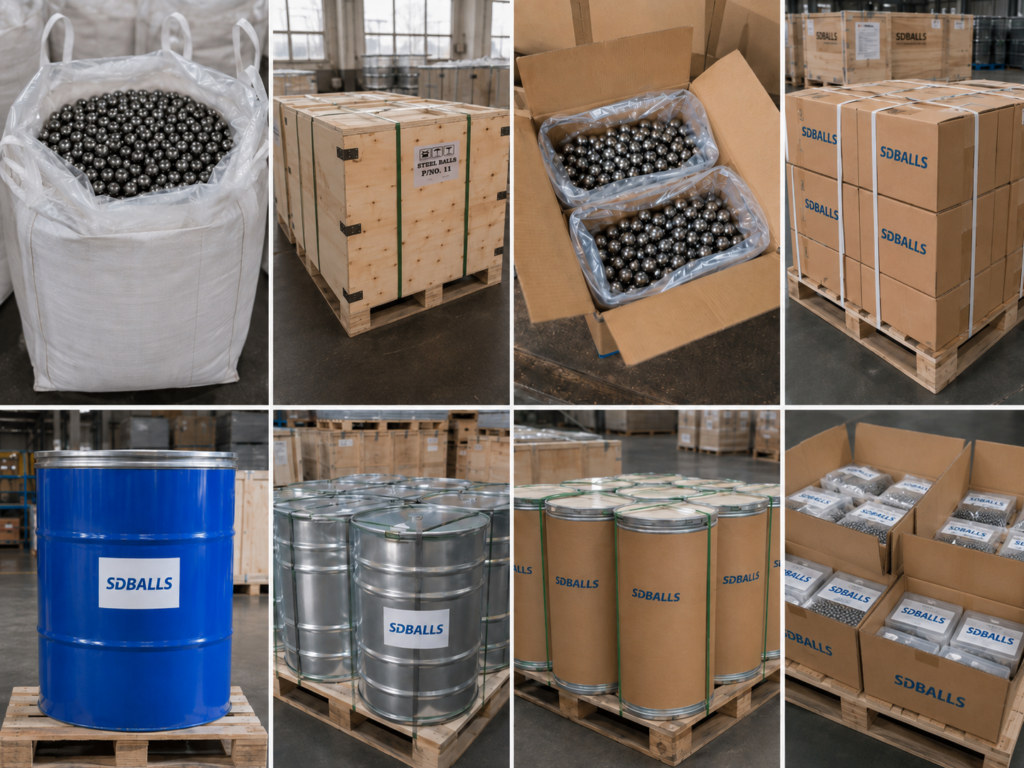
SDBALLS może dostarczać kulki ceramiczne z tlenku glinu w małych torebkach, plastikowych butelkach, kartonach, bębnach, tackach, paletach lub niestandardowym opakowaniu eksportowym. W przypadku precyzyjnych kulek ceramicznych opakowanie powinno chronić powierzchnię przed odpryskami, uderzeniami, zanieczyszczeniem i mieszaniem się rozmiarów.
W przypadku zamówień OEM i dystrybutorów niestandardowe etykiety mogą zawierać materiał, średnicę, klasę, ilość, numer partii, numer części klienta i odniesienie do kontroli. Czyste opakowanie lub oddzielne worki wewnętrzne można omówić w przypadku projektów laboratoryjnych, medycznych, dozujących lub precyzyjnego montażu.
Jak określić specyfikację dla wyceny
Aby dokładnie wycenić kulki z tlenku glinu, prosimy potwierdzić: wymagania dotyczące materiału lub czystości, średnicę, klasę precyzji, ilość, wykończenie powierzchni, zastosowanie, medium robocze, temperaturę roboczą, warunki obciążenia lub ciśnienia, wymóg czyszczenia, metodę pakowania, dokumenty kontrolne, port docelowy i warunki handlowe.
W przypadku projektów zastępczych zaleca się, aby kupujący dostarczyli rysunki, aktualne specyfikacje dostawcy, zdjęcia, próbki, szczegóły środowiska pracy i obawy dotyczące awarii. Kompatybilność chemiczną, cykle termiczne i warunki udarowe należy potwierdzić przed użyciem kulek ceramicznych w wymagających zastosowaniach.
Najczęściej zadawane pytania techniczne
P: Z czego wykonane są kulki z tlenku glinu?
O: Są to kulki ceramiczne wykonane z tlenku glinu, zwanego również tlenkiem glinu lub Al2O3. Ta strona opiera się na standardowych ceramicznych kulkach z tlenku glinu o czystości 99,5%, przy czym ostateczna czystość i skład są potwierdzane w ofercie i zgodnie z wymaganiami zamówienia.
Q: Czy kulki z tlenku glinu są magnetyczne?
A: Nie. Kulki ceramiczne z tlenku glinu są niemagnetyczne i elektrycznie izolujące, co czyni je przydatnymi w zastosowaniach, w których kulki stalowe mogłyby zakłócać właściwości magnetyczne lub elektryczne.
Q: Jaki jest dostępny zakres rozmiarów?
A: Podany zakres średnic wynosi od 1,0 mm do 50,8 mm. Specjalne rozmiary należy potwierdzić zgodnie z możliwościami produkcyjnymi, klasą dokładności i wielkością zamówienia.
P: Jakie stopnie precyzji są dostępne?
A: SDBALLS może dostarczyć kulki w klasach ISO 3290 od G5 do G40 dla tej strony produktu. Najlepsza klasa zależy od funkcji: łożysko, zawór, przepływomierz, przyrząd pomiarowy lub ogólny element ceramiczny.
Q: Czy kulki z tlenku glinu są odporne na korozję?
A: Tak, kulki ceramiczne z tlenku glinu wykazują doskonałą odporność na korozję w wielu środowiskach wodnych, roztworach soli i kwasów. Nie należy ich jednak stosować w kwasie fluorowodorowym, kwasie solnym, gorącym stężonym kwasie siarkowym ani w silnych roztworach alkalicznych bez potwierdzenia kompatybilności.
P: Czy kulki z tlenku glinu mogą zastąpić kulki stalowe?
O: Mogą zastąpić kulki stalowe tylko wtedy, gdy aplikacja wymaga ceramicznych zalet, takich jak izolacja, odporność na korozję, niska podatność magnetyczna lub stabilność w wysokich temperaturach. Nie są uniwersalnym zamiennikiem stali, ponieważ kulki ceramiczne są twardsze, ale bardziej kruche pod wpływem uderzeń lub silnych obciążeń krawędziowych.
P: Jakie zastosowania są typowe dla ceramicznych kulek Al2O3?
O: Typowe zastosowania obejmują łożyska specjalne, zawory zwrotne, zawory regulacyjne, pompy i zawory pracujące w środowiskach korozyjnych, pompy do urządzeń przemysłu naftowego, przepływomierze, narzędzia pomiarowe oraz wybrany sprzęt medyczny lub laboratoryjny.
P: Jakie informacje są potrzebne do wyceny?
O: Proszę podać czystość materiału (jeśli określono), średnicę, klasę dokładności, ilość, zastosowanie, medium chemiczne, temperaturę, warunki ciśnienia lub obciążenia, wymagania dotyczące pakowania i potrzebne dokumenty kontrolne.
Powiązane produkty
Zaplanuj żądanie
Skontaktuj się z nami już dziś w sprawie dowolnej usługi. (*) Pola wymagane.