
-9.png)
-10.png)
-10.png)
-10.png)
-10.png)
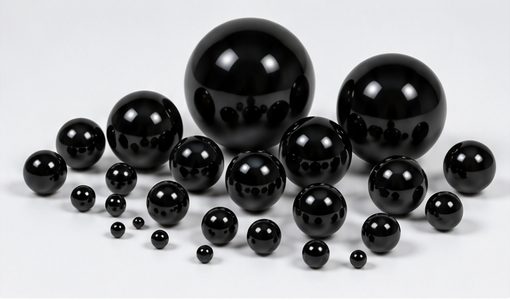
Kulki z czarnego szkła – precyzyjne sfery z czarnego szkła do przepływomierzy i oprzyrządowania
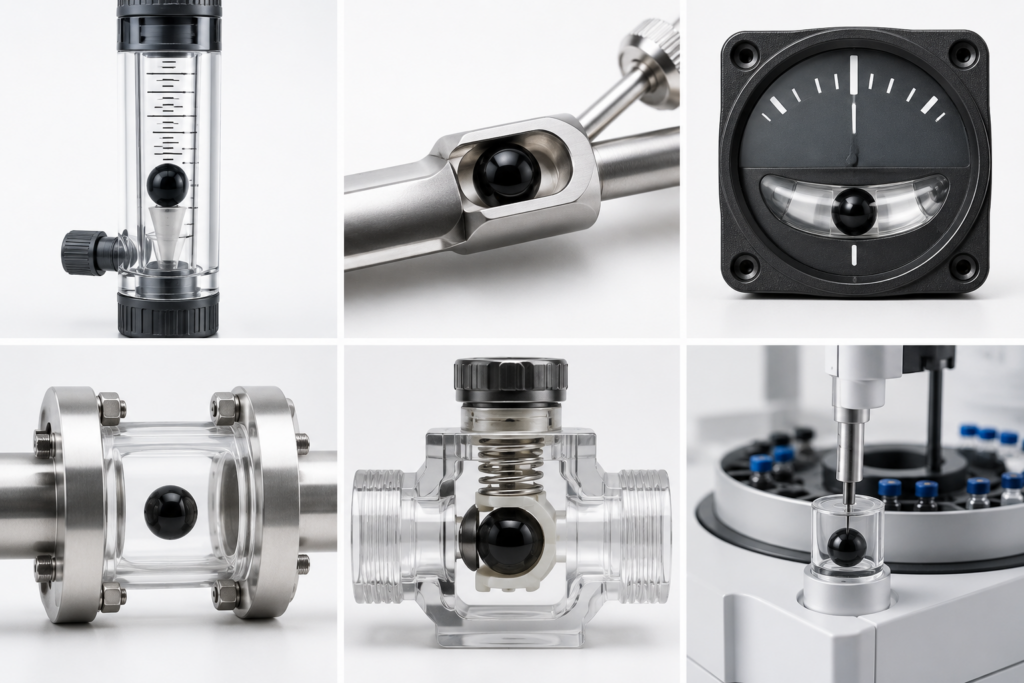
Kulki z Czarnego Szkła to precyzyjne sfery z ciemnego szkła zaprojektowane do zastosowań wymagających stabilności wymiarowej, właściwości niemagnetycznych, odporności chemicznej i stałej widoczności w urządzeniach pomiarowych. Są powszechnie stosowane w przepływomierzach, rotametrach, instrumentach medycznych, wskaźnikach poślizgu samolotów, zakrętomierzach, przyrządach celowniczych i innych precyzyjnych zespołach instrumentów, gdzie ważna jest konsystencja gęstości i dokładność geometryczna.
SDBALLS dostarcza kulki z czarnego szkła o średnicach od 2,0 mm do 100,00 mm, w klasach dokładności obejmujących G20, G40, G100, G200, G500 i G1000. Standardowa twardość wynosi około 6 w skali Mohsa. W celu wyceny i potwierdzenia produkcji kupujący powinni określić średnicę, klasę dokładności, wymagania materiałowe/skład, wykończenie powierzchni, ilość, metodę pakowania i końcowe zastosowanie.
| Przedmiot | Zalecana treść strony |
| Śrut stalowy BB 4,5 mm / sferyczny śrut stalowy do treningu outdoorowego | Precyzyjne kulki z czarnego szkła / sfery z czarnego szkła |
| Tworzywo | Czarne szkło; zazwyczaj barwione szkło sodowo-wapniowe, chyba że określono inaczej |
| Zakres średnic | 2,0 mm – 100,00 mm; inne rozmiary podlegają potwierdzeniu produkcyjnemu |
| Klasy precyzji | G20, G40, G100, G200, G500, G1000 |
| Twardość | Około 6 w skali Mohsa |
| Typowe zastosowania | Przepływomierze, rotametry, instrumenty medyczne, wskaźniki poślizgu samolotów, zakrętomierze, przyrządy celownicze, instrumenty precyzyjne |
Udostępnij ten produkt
Przegląd produktu
Kulki z Czarnego Szkła to precyzyjne sfery szklane wybierane do mechanizmów instrumentów, gdzie wymagana jest stabilna geometria, określona gęstość, zachowanie niemagnetyczne i ciemny wygląd wizualny. W porównaniu z kulkami metalowymi, kulki z czarnego szkła nie rdzewieją, nie powodują zakłóceń magnetycznych i zapewniają izolację elektryczną. W porównaniu z wieloma kulkami plastikowymi, oferują wyższą twardość, lepszą stabilność wymiarową i niższą absorpcję chemiczną w odpowiednich mediach roboczych.
W praktycznych zakupach przemysłowych kulki z czarnego szkła są najczęściej wybierane do przepływomierzy, rotametrów, wskaźników wzrokowych i instrumentów precyzyjnych. W tych zastosowaniach średnica kulki, okrągłość, gęstość i jakość powierzchni mogą bezpośrednio wpływać na ruch, dokładność wskazań i powtarzalność. Czarny kolor poprawia również widoczność i kontrast wewnątrz przezroczystych lub jasnych zespołów.
Dobór materiału i pozycjonowanie techniczne
Kulki z czarnego szkła powinny być pozycjonowane jako precyzyjne komponenty szklane do pomiarów, wskazań i lekkich funkcji mechanicznych, a nie jako kulki łożyskowe do dużych obciążeń. Są odpowiednie, gdy nabywca potrzebuje odporności na korozję, właściwości niemagnetycznych, izolacji elektrycznej, kontrastu wizualnego i stabilnej geometrii sferycznej.
Nie należy ich opisywać jako zamienniki stali nierdzewnej do łożysk wysokoobciążeniowych lub ściernych mediów mielących. Jeśli zastosowanie wiąże się z wysokim udarem, dużym obciążeniem, silnym ścieraniem, silnym szokiem termicznym lub wysoce agresywnym narażeniem chemicznym, kupujący powinien potwierdzić, czy szkło borokrzemianowe, kulki ceramiczne, kulki ze stali nierdzewnej lub inny materiał nie są bardziej odpowiednie.
Dane techniczne
| Nieruchomość | Typowy / Dostępny zakres |
| Średnica | 2,0 mm – 100,00 mm |
| Klasa precyzji | G20, G40, G100, G200, G500, G1000 |
| Twardość | Około 6 w skali Mohsa |
| Gęstość | Około 2,5-2,7 g/cm³, w zależności od składu |
| Kolor | Czarny / nieprzezroczysty |
| Magnetyzm | NIE |
| Właściwość elektryczna | Elektroizolacyjny materiał szklany |
| Odporność na korozję | Dobra odporność na korozję i niska absorpcja chemiczna w wielu kompatybilnych mediach |
| Wykończenie powierzchni | Polerowana powierzchnia szklana; matowe lub specjalne wykończenie do potwierdzenia |
| Zastosowanie temperaturowe | Zależne od zastosowania; potwierdzić temperaturę roboczą i warunki szoku termicznego |
| Odporność chemiczna | Dobra w wielu kompatybilnych mediach |
Referencyjny Skład Chemiczny
Skład kulki z czarnego szkła może się różnić w zależności od bazy szklanej i systemu pigmentów. Poniższy skład tlenkowy jest zakresem referencyjnym opartym na istniejącej stronie SDBALLS i powinien zostać potwierdzony dla projektów z rygorystycznymi wymaganiami materiałowymi.
| Składnik | Zakres referencyjny |
| SiO2 | 65.00-75.00% |
| Na2O | 9.50-15.50% |
| CaO | 3.00-5.00% |
| Al2O3 | Maks. 1,00% |
| B2O3 | 1.00-3.00% |
| K2O | 2.00-3.00% |
| BaO | 3.00-4.00% |
| MnO2 | 5.00-7.00% |
Uwaga: Wartości składu podano wyłącznie w celach informacyjnych. Ostateczne potwierdzenie materiału powinno być zgodne z uzgodnionym zamówieniem zakupu, rysunkiem, zatwierdzeniem próbki lub wymaganiami dokumentu kontrolnego.
Twardość, gęstość i charakterystyka wydajności
Kulki z czarnego szkła zazwyczaj mają twardość około 6 w skali Mohsa i gęstość około 2,5-2,7 g/cm³ w zależności od składu. Ich wartością nie jest wysoka wytrzymałość na obciążenia; ich wartością jest stabilna geometria, kontrolowana gęstość, gładkie zachowanie powierzchni, nieprzezroczystość, właściwości niemagnetyczne i stabilność chemiczna w odpowiednich środowiskach instrumentów.
- Niemagnetyczny i elektroizolacyjny, odpowiedni do czułych zespołów pomiarowych.
- Nieprzezroczysty czarny kolor poprawia widoczność i kontrast w urządzeniach wziernikowych i przepływomierzach.
- Dobra stabilność wymiarowa wspiera powtarzalny ruch w mechanizmach dozujących.
- Dobra odporność na korozję i niska absorpcja w wielu kompatybilnych mediach.
- Niezalecany do zastosowań z wysokimi udarami, wysoko obciążonymi łożyskami lub silnie ściernymi środowiskami.
Zastosowania i dopasowanie aplikacyjne
| Aplikacja | Poziom dopasowania | Dlaczego pasuje | Uwaga dla kupującego |
| Przepływomierze / rotametry | Bardzo dobre | Stabilna gęstość, okrągłość i kontrast wizualny wspierają powtarzalność wskazań. | Zweryfikuj rozmiar, tolerancję gęstości oraz medium robocze. |
| Instrumenty medyczne | Bardzo dobre | Niemagnetyczny, odporny na korozję i wyróżniający się wizualnie komponent do urządzeń precyzyjnych. | Potwierdź czystość, dokumentację i wymagania prawne. |
| Wskaźniki ślizgu lotniczego / zakrętomierze | Dobry | Czarny kolor i stabilna geometria wspomagają funkcje wskazań przyrządów. | Zweryfikuj specyfikację lotniczą i wymogi dopuszczeniowe. |
| Kulki wziernikowe / wskaźniki wizualne | Dobry | Nieprzezroczysty, czarny wygląd zapewnia mocny kontrast w przezroczystych zespołach. | Sprawdź kompatybilność z płynem i warunki oświetlenia. |
| Zawory zwrotne i urządzenia dozujące | Zależne od zastosowania | Powierzchnia szklana i odporność na korozję mogą wspierać lekkie uszczelnienie lub kontrolę przepływu. | Potwierdź materiał gniazda, ciśnienie, udarność i medium. |
| Urządzenia laboratoryjne i analityczne | Zależne od zastosowania | Niemagnetyczne i stabilne chemicznie zachowanie może być przydatne w przyrządach. | Zweryfikuj medium chemiczne i proces czyszczenia. |
| Łożyska wysokoobciążeniowe | Ograniczone / niezalecane | Szkło jest kruche w porównaniu ze stalą i materiałami ceramicznymi. | Rozważ kulki ze stali chromowej, nierdzewnej lub ceramiczne. |
| Ciężkie szlifowanie lub praca w środowisku ściernym | Ograniczone / niezalecane | Czarne szkło nie jest przeznaczone jako ciężkie medium szlifierskie. | Rozważ media ceramiczne lub dedykowane media szlifierskie. |
Przewodnik doboru materiałów
| Opcja materiałowa | Typowa wytrzymałość | Ograniczenie | Kiedy zalecać |
| Czarne kulki szklane | Nieprzezroczysty wygląd, niemagnetyczność, dobra stabilność wymiarowa | Niższa udarność mechaniczna niż stali czy ceramiki | Przepływomierze, rotametry, urządzenia wziernikowe, przyrządy precyzyjne |
| Szklane kulki sodowo-wapniowe | Ekonomiczna opcja szklana, dobra odporność na korozję w wielu zastosowaniach | Mniejsza odporność na szok termiczny niż w przypadku borokrzemianu | Ekonomiczne zawory, przyrządy, zastosowania dekoracyjne lub lekkie mechaniczne |
| Szklane kulki borokrzemianowe | Lepsza stabilność termiczna i chemiczna | Wyższy koszt niż szkło sodowo-wapniowe | Laboratoria, przemysł chemiczny, dozowanie i zastosowania wysokotemperaturowe |
| Kulki ze stali nierdzewnej | Wyższa wytrzymałość i udarność niż szkło | Magnetyczne lub niemagnetyczne w zależności od gatunku; mogą nie zapewniać czarnej widoczności | Zawory, pompy, instrumenty wymagające wytrzymałości metali |
| Kulki ceramiczne | Wysoka twardość, odporność na zużycie i stabilność chemiczna | Wyższy koszt i odmienne zachowanie gęstości | Zastosowania w agresywnym środowisku chemicznym, wysokich temperaturach lub wrażliwe na zużycie |
| Kulki plastikowe | Lekkie, o niskiej gęstości, opcje niskokosztowe | Niższa twardość i możliwa absorpcja chemiczna lub pęcznienie | Zawory pływakowe, zawory niskiego obciążenia i lekkie komponenty |
Produkcja i kontrola procesu
SDBALLS kontroluje dostawę czarnych szklanych kulek poprzez dobór materiałów, potwierdzenie formowania lub pozyskiwania, klasyfikację wielkości, polerowanie lub kontrolę wykończenia powierzchni w razie potrzeby, czyszczenie, kontrolę i pakowanie. W przypadku projektów precyzyjnych instrumentów spójność partii jest szczególnie ważna, ponieważ średnica, gęstość i stan powierzchni mogą wpływać na dozowanie i zachowanie ruchowe.
- Potwierdzenie materiału i koloru zgodnie z wymaganiami aplikacji
- Klasyfikacja średnic i kontrola wizualna pod kątem sferyczności
- Kontrola stanu powierzchni dla płynnego ruchu lub kontaktu uszczelniającego
- Czyszczenie i pakowanie zgodnie z wymaganiami OEM lub eksportowymi
- Spersonalizowana dokumentacja dostępna dla kwalifikowanych projektów po uzgodnieniu przed produkcją
Kontrola jakości i inspekcja
Kontrola jakości czarnych szklanych kulek powinna skupiać się na właściwościach wpływających na działanie instrumentu: średnica, klasa, okrągłość, wygląd koloru, wady powierzchni, spójność gęstości w razie potrzeby, czystość opakowania i identyfikowalność partii
- Kontrola średnicy i klasy zgodnie z uzgodnioną tolerancją
- Kontrola okrągłości i wyglądu powierzchni dla stabilnego ruchu
- Potwierdzenie koloru i nieprzezroczystości, gdy wymagana jest identyfikacja wizualna
- Potwierdzenie materiału lub składu, gdy określono w zamówieniu zakupu
- Kontrola opakowania w celu zmniejszenia uszkodzeń podczas transportu
- Raporty z badań lub inspekcji stron trzecich mogą być omawiane dla projektów OEM
Opcje pakowania
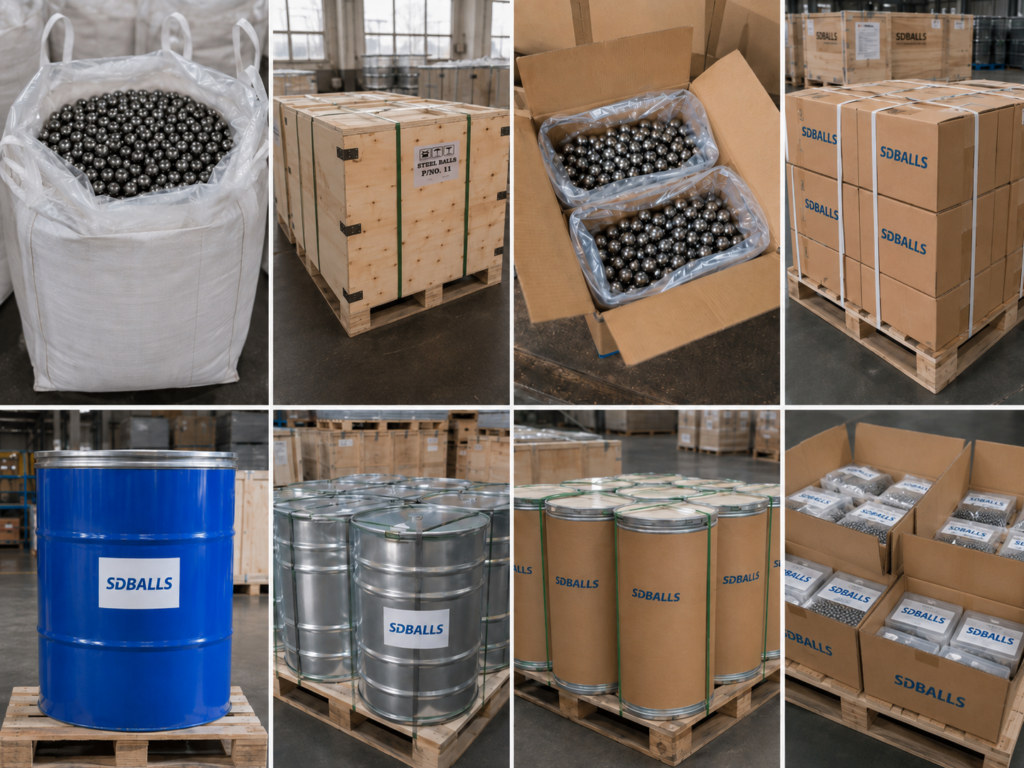
Czarne szklane kulki mogą być dostarczane w opakowaniach eksportowych odpowiednich do zastosowań przemysłowych na dużą skalę lub programów produkcyjnych OEM. Ponieważ szklane kulki mogą ulec uszkodzeniu wskutek uderzeń, opakowanie powinno być dobrane odpowiednio do średnicy, ilości, metody wysyłki i wymagań dotyczących obsługi przez klienta.
- Małe woreczki lub butelki do zamówień małych ilości lub próbek
- Kartony z wewnętrzną ochroną do ogólnych przesyłek eksportowych
- Wiadra, bębny lub pakowanie na paletach do zamówień hurtowych
- Spersonalizowana etykieta z materiałem, średnicą, klasą, numerem partii i ilością
- Czystsze opcje pakowania mogą być omawiane dla klientów z branży medycznej, laboratoryjnej lub instrumentów
Jak określić specyfikację dla wyceny
Aby dokładnie wycenić czarne szklane kulki, proszę podać następujące informacje:
- Średnica w mm lub calach
- Klasa precyzji lub wymagana tolerancja
- Ilość i roczne zapotrzebowanie, jeśli dostępne
- Wymagany wygląd koloru lub wymagana nieprzezroczystość
- Środek roboczy, temperatura i środowisko aplikacji
- Typ aplikacji, np. przepływomierz, rotametr, wskaźnik, zawór lub instrument
- Wykończenie powierzchni, czystość lub wymagany dokument inspekcji
- Sposób pakowania i wymagania dotyczące etykiety
- Port docelowy, warunki dostawy i docelowy czas realizacji
- Rysunek, próbka lub istniejąca specyfikacja dostawcy, jeśli dostępna
Najczęściej zadawane pytania techniczne
P: Do czego najczęściej używa się czarnych szklanych kul?
A: Kulki z czarnego szkła są powszechnie stosowane w przepływomierzach, rotametrach, aparaturze medycznej, wskaźnikach poślizgu i zakrętach w lotnictwie, przyrządach celowniczych oraz instrumentach precyzyjnych, gdzie istotna jest spójność gęstości, geometria i kontrast wizualny.
Q: Jaki zakres rozmiarów może dostarczyć SDBALLS?
A: Standardowy podany zakres średnic wynosi od 2,0 mm do 100,00 mm. Inne rozmiary należy potwierdzić w oparciu o wykonalność produkcji, klasę i ilość.
P: Jakie stopnie precyzji są dostępne?
A: Powszechnie dostępne klasy obejmują G20, G40, G100, G200, G500 i G1000. Odpowiednia klasa zależy od dokładności ruchu, wymagań dotyczących szczelności, czułości aplikacji i docelowego kosztu.
P: Czy czarne szklane kule są magnetyczne?
A: Nie. Kulki z czarnego szkła są niemagnetyczne i elektroizolacyjne, co czyni je odpowiednimi do wielu wrażliwych zastosowań pomiarowych i przyrządowych.
Q: Czy kulki z czarnego szkła są odporne na korozję?
A: Charakteryzują się dobrą odpornością na korozję i niską absorpcją w wielu kompatybilnych mediach. Ostateczna przydatność zależy jednak od składu szkła, medium chemicznego, stężenia, temperatury i czasu ekspozycji.
Q: Jaka jest twardość kulek z czarnego szkła?
A: Standardowa twardość wynosi około 6 w skali Mohsa. Daje to kulkom lepszą twardość niż wiele tworzyw sztucznych, ale pozostają one kruche w porównaniu z kulkami stalowymi lub ceramicznymi.
Q: Czy kulki z czarnego szkła mogą być stosowane w łożyskach o wysokim obciążeniu?
A: Generalnie nie są zalecane do zastosowań w łożyskach o wysokim obciążeniu lub udarowych. W przypadku wyższej wytrzymałości mechanicznej należy rozważyć kulki ze stali chromowej, nierdzewnej lub ceramiczne.
Q: Czym różnią się kulki z czarnego szkła od kulek z przezroczystego szkła sodowo-wapniowego?
A: Kulki z czarnego szkła zapewniają nieprzezroczysty kontrast wizualny i blokowanie światła, podczas gdy przezroczyste lub barwione kulki ze szkła sodowo-wapniowego są zwykle wybierane do ekonomicznych, przezroczystych lub dekoracyjnych zastosowań szklanych kulek.
Q: Czym różnią się kulki z czarnego szkła od kulek ze szkła borokrzemowego?
A: Szkło borokrzemowe jest zazwyczaj wybierane ze względu na lepszą odporność na szok termiczny i stabilność chemiczną. Kulki z czarnego szkła wybiera się głównie ze względu na nieprzezroczystość, kontrast wizualny i zastosowania przyrządowe. Jeśli wymagana jest wysoka odporność na szok termiczny, należy potwierdzić opcje borokrzemowe.
P: Jakie informacje są potrzebne przed złożeniem zamówienia?
A: Proszę potwierdzić średnicę, klasę, ilość, wymagania dotyczące materiału lub składu, wykończenie powierzchni, zastosowanie, medium robocze, wymagania dotyczące pakowania i dokumenty kontrolne, jeśli są potrzebne.
Powiązane produkty
Zaplanuj żądanie
Skontaktuj się z nami już dziś w sprawie dowolnej usługi. (*) Pola wymagane.