
-9.png)
-10.png)
-10.png)
-10.png)
-10.png)
Шары из черного стекла – прецизионные стеклянные сферы для расходомеров и контрольно-измерительных приборов
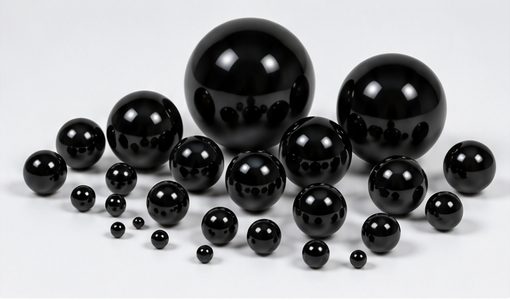
Черные стеклянные шары – это прецизионные темные стеклянные сферы, разработанные для применений, требующих стабильности размеров, немагнитных свойств, химической стойкости и неизменной видимости в измерительных устройствах. Они широко используются в расходомерах, ротаметрах, медицинском оборудовании, указателях скольжения и поворота летательных аппаратов, визирных устройствах и других узлах точных приборов, где важны постоянство плотности и геометрическая точность.
Компания SDBALLS поставляет черные стеклянные шары диаметром от 2,0 мм до 100,00 мм с классами точности G20, G40, G100, G200, G500 и G1000. Стандартная твердость составляет приблизительно 6 по шкале Мооса. Для получения предложения и подтверждения производства покупателям следует указать диаметр, класс точности, требования к материалу/составу, чистоту поверхности, количество, способ упаковки и конечное применение.
| Элемент | Рекомендуемое содержание страницы |
| Тип продукта | Прецизионные черные стеклянные шары / черные стеклянные сферы |
| Материал | Черное стекло; как правило, окрашенное натриево-кальциевое стекло, если не указано иное. |
| Диапазон диаметров | 2,0 мм – 100,00 мм; другие размеры подлежат подтверждению производства |
| Прецизионные марки | G20, G40, G100, G200, G500, G1000 |
| Твердость | Прибл. 6 по Моосу |
| Типичные области применения | Расходомеры, ротаметры, медицинские приборы, указатели скольжения и поворота летательных аппаратов, визирные устройства, прецизионные инструменты |
Поделиться этим товаром
Обзор продукта
Черные стеклянные шары – это прецизионные стеклянные сферы, выбираемые для приборных механизмов, где требуются стабильная геометрия, определенная плотность, немагнитное поведение и темный внешний вид. По сравнению с металлическими шарами черные стеклянные шары не ржавеют, не создают магнитных помех и обеспечивают электрическую изоляцию. По сравнению со многими пластиковыми шарами они обладают более высокой твердостью, лучшей стабильностью размеров и меньшим химическим поглощением в подходящих рабочих средах.
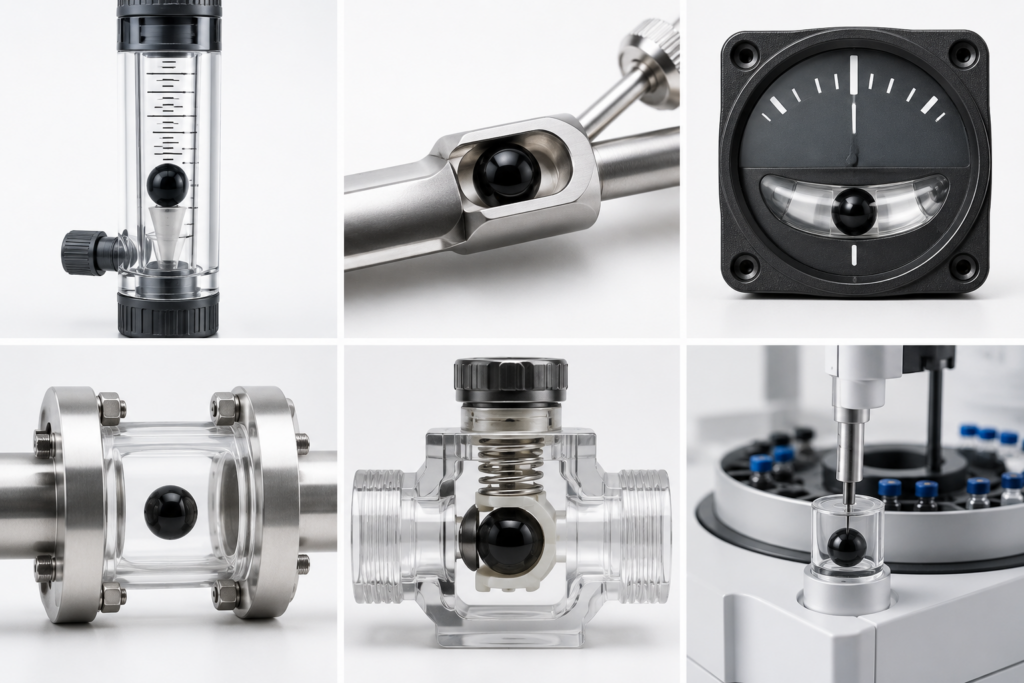
При практических промышленных закупках черные стеклянные шары чаще всего выбираются для расходомеров, ротаметров, визуальных индикаторов и прецизионных приборов. В этих применениях диаметр шара, округлость, плотность и качество поверхности могут напрямую влиять на движение, точность показаний и повторяемость. Черный цвет также улучшает видимость и контраст внутри прозрачных или светлых узлов.
Выбор материала и техническое позиционирование
Черные стеклянные шары следует позиционировать как прецизионные стеклянные компоненты для измерения, индикации и легких механических функций, а не как шары, несущие тяжелые нагрузки. Они подходят, когда покупателю требуются коррозионная стойкость, немагнитные свойства, электрическая изоляция, визуальный контраст и стабильная сферическая геометрия.
Их не следует описывать как замену нержавеющей стали для высоконагруженных подшипников или абразивных шлифовальных сред. Если применение связано с высокими ударными нагрузками, большими нагрузками, сильным абразивным износом, резкими тепловыми ударами или воздействием высокоагрессивных химикатов, покупателю следует уточнить, являются ли боросиликатное стекло, керамические шары, шары из нержавеющей стали или другой материал более подходящими.
Технические характеристики
| Свойство | Типовой / доступный диапазон |
| Диаметр | 2,0 мм – 100,00 мм |
| Прецизионный класс | G20, G40, G100, G200, G500, G1000 |
| Твердость | Прибл. 6 по Моосу |
| Плотность | Прибл. 2,5–2,7 г/см³ в зависимости от состава |
| Цвет | Черный / непрозрачный |
| Магнетизм | Нет |
| Электрические свойства | Электроизоляционный стеклянный материал |
| Коррозионная стойкость | Хорошая стойкость к коррозии и низкое химическое поглощение во многих совместимых средах |
| Отделка поверхности | Полированная стеклянная поверхность; матовая или специальная отделка подлежит подтверждению |
| Температурное применение | Зависит от применения; уточните рабочую |
| Химическая стойкость | Хорошая совместимость со многими средами |
Справочный химический состав
Состав черных стеклянных шариков может варьироваться в зависимости от основы стекла и пигментной системы. Приведенный ниже оксидный состав является ориентировочным диапазоном, основанным на существующей странице SDBALLS, и должен быть подтвержден для проектов с жесткими требованиями к материалам.
| Компонент | Эталонный диапазон |
| SiO2 | 65.00-75.00% |
| Na2O | 9.50-15.50% |
| CaO | 3.00-5.00% |
| Al2O3 | не более 1,00 % |
| B2O3 | 1.00-3.00% |
| K2O | 2.00-3.00% |
| BaO | 3.00-4.00% |
| MnO2 | 5.00-7.00% |
Примечание: Значения состава приведены только для справки. Окончательное подтверждение материала должно соответствовать согласованному заказу на поставку, чертежу, утверждению образца или требованиям контрольно-инспекционного документа.
Твердость, плотность и эксплуатационные характеристики
Черные стеклянные шарики обычно имеют твердость по Моосу около 6 и плотность около 2,5–2,7 г/см³ в зависимости от состава. Их ценность заключается не в высокой несущей способности, а в стабильной геометрии, контролируемой плотности, гладкой поверхности, непрозрачности, немагнитных свойствах и химической стабильности в соответствующих приборных средах.
- Немагнитные и электроизолирующие свойства для чувствительных измерительных узлов.
- Непрозрачный черный цвет улучшает видимость и контраст в смотровых и расходомерных устройствах.
- Хорошая стабильность размеров обеспечивает повторяемость перемещения в дозирующих механизмах.
- Хорошая коррозионная стойкость и низкое влагопоглощение во многих совместимых средах.
- Не рекомендуются для тяжелых ударных нагрузок, высоконагруженных подшипников или сильно абразивных сред.
Применения и соответствие применению
| Приложение | Уровень соответствия | Почему это подходит | Примечание покупателя |
| Расходомеры / ротаметры | Очень хорошо | Стабильная плотность, сферичность и визуальный контраст обеспечивают повторяемость показаний. | Подтвердите размер, допуск по плотности и рабочую среду. |
| Медицинские приборы | Очень хорошо | Немагнитный, коррозионно-стойкий и визуально различимый компонент для прецизионных устройств. | Подтвердите требования к чистоте, документации и нормативному соответствию. |
| Указатели скольжения / указатели поворота летательных аппаратов | Хороший | Черный цвет и стабильная геометрия поддерживают функции индикации приборов. | Подтвердите авиационные спецификации и требования к утверждению. |
| Смотровые шарики / визуальные индикаторы | Хороший | Непрозрачный черный внешний вид обеспечивает сильный контраст в прозрачных сборках. | Подтвердите совместимость с рабочей жидкостью и условия освещения. |
| Обратные клапаны и дозирующие устройства | Зависит от применения | Стеклянная поверхность и коррозионная стойкость могут поддерживать легкое уплотнение или регулирование потока. | Подтвердите материал седла, давление, удар и рабочую среду. |
| Лабораторные и аналитические приборы | Зависит от применения | Немагнитное и химически стабильное поведение может быть полезно в приборах. | Подтвердите химическую среду и процесс очистки. |
| Подшипники для высоких нагрузок | Ограниченно / не рекомендуется | Стекло является хрупким по сравнению со стальными и керамическими материалами. | Рассмотрите шарики из хромистой стали, нержавеющей стали или керамики. |
| Тяжелые условия измельчения или абразивной обработки | Ограниченно / не рекомендуется | Черное стекло не предназначено для использования в качестве тяжелых мелющих тел. | Рассмотрите керамические или специализированные мелющие тела. |
Руководство по выбору материала
| Вариант материала | Типичная прочность | Ограничение | Когда рекомендуется |
| Черные стеклянные шарики | Непрозрачный внешний вид, немагнитные свойства, хорошая стабильность размеров | Более низкая механическая вязкость, чем у стали или керамики | Расходомеры, ротаметры, смотровые устройства, прецизионные приборы |
| Шарики из натрий-кальциевого стекла | Экономичный вариант стекла, хорошая коррозионная стойкость во многих применениях | Более низкая термостойкость, чем у боросиликатного стекла | Экономичные клапаны, приборы, декоративное или легкое механическое использование |
| Боросиликатные стеклянные шарики | Лучшая термостойкость и химическая стабильность | Более высокая стоимость по сравнению с натриево-кальциевым стеклом | Лабораторное и химическое применение, дозирование и высокотемпературные области |
| Шарики из нержавеющей стали | Более высокая прочность и ударная вязкость по сравнению со стеклом | Магнитный или немагнитный в зависимости от марки; может не обеспечивать видимость черного цвета | Клапаны, насосы, приборы, требующие металлической прочности |
| Керамические шары | Высокая твердость, износостойкость и химическая стабильность | Более высокая стоимость и иное поведение плотности | Применения в условиях агрессивных химических сред, высоких температур или повышенной чувствительности к износу |
| Пластиковые шарики | Легкие, низкоплотные, недорогие варианты | Более низкая твердость и возможное химическое поглощение или набухание | Поплавковые клапаны, клапаны с низкой нагрузкой и легкие компоненты |
Производство и контроль процессов
SDBALLS управляет поставками черных стеклянных шариков посредством выбора материала, подтверждения формовки или закупок, сортировки по размеру, полировки или контроля качества поверхности при необходимости, очистки, инспекции и упаковки. Для проектов точных приборов особенно важна межпартийная согласованность, поскольку диаметр, плотность и состояние поверхности могут влиять на дозирование и поведение при движении.
- Подтверждение материала и цвета в соответствии с требованиями применения.
- Сортировка по диаметру и визуальный контроль для обеспечения однородности сферической формы.
- Контроль состояния поверхности для плавного движения или герметичного контакта.
- Очистка и упаковка в соответствии с требованиями OEM или экспорта.
- Индивидуальная документация доступна для квалифицированных проектов при согласовании до начала производства.
Контроль качества и инспекция
Контроль качества черных стеклянных шариков должен фокусироваться на свойствах, влияющих на работу приборов: диаметр, сортность, округлость, цветовой оттенок, поверхностные дефекты, однородность плотности при необходимости, чистота упаковки и прослеживаемость партии.
- Инспекция диаметра и сортности в соответствии с согласованным допуском.
- Контроль округлости и внешнего вида поверхности для стабильного движения.
- Подтверждение цвета и непрозрачности, если требуется визуальная идентификация.
- Подтверждение материала или состава, если это указано в заказе на поставку.
- Инспекция упаковки для снижения повреждений при транспортировке.
- Отчеты о тестировании или инспекции третьей стороной могут быть обсуждены для OEM-проектов.
Варианты упаковки
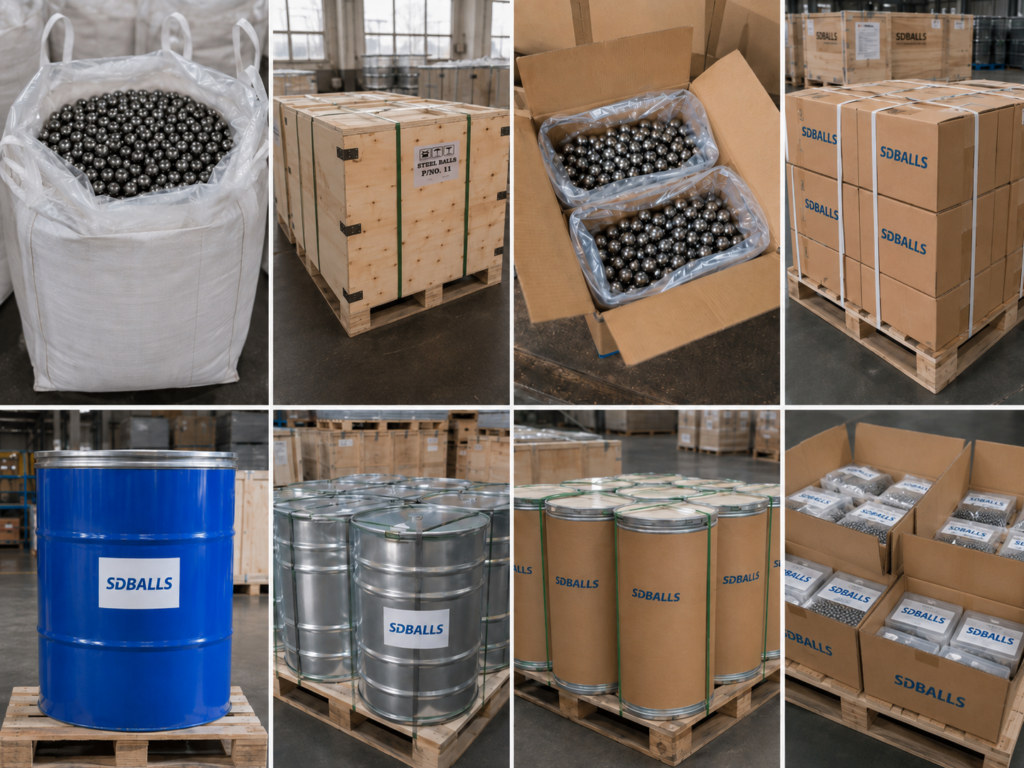
Черные стеклянные шарики могут поставляться в экспортной упаковке, подходящей для крупносерийного промышленного использования или программ OEM-производства. Поскольку стеклянные шарики могут быть повреждены при ударе, упаковка должна выбираться с учетом диаметра, количества, способа отгрузки и требований заказчика по обращению.
- Маленькие пакеты или бутылки для заказов малых размеров или образцов.
- Картонные коробки с внутренней защитой для обычных экспортных поставок.
- Ведра, бочки или упаковка на поддонах для оптовых заказов.
- Индивидуальная этикетка с указанием материала, диаметра, класса, номера партии и количества.
- Варианты более чистой упаковки могут быть обсуждены для медицинских, лабораторных или приборостроительных клиентов.
Как составить спецификацию для запроса
Для точного расчета стоимости черных стеклянных шариков, пожалуйста, предоставьте следующую информацию:
- Диаметр в мм или дюймах.
- Класс точности или требования к допускам.
- Количество и, при наличии, годовая потребность.
- Требуемый внешний вид цвета или степень непрозрачности.
- Рабочая среда, температура и условия применения.
- Тип применения, например расходомер, ротаметр, индикатор, клапан или прибор.
- Требования к обработке поверхности, чистоте или проверочной документации.
- Способ упаковки и требования к маркировке.
- Порт назначения, условия поставки и целевой срок изготовления.
- Чертеж, образец или спецификация существующего поставщика, при наличии.
Технический FAQ
В: Для чего обычно используются черные стеклянные шары?
О: Черные стеклянные шарики обычно используются в расходомерах, ротаметрах, медицинском оборудовании, авиационных указателях скольжения и поворота, смотровых устройствах и прецизионных приборах, где важны постоянство плотности, геометрия и визуальный контраст.
В: Какой диапазон размеров может поставлять SDBALLS?
О: Стандартный указанный диапазон диаметров — от 2,0 мм до 100,00 мм. Другие размеры подлежат подтверждению с учетом технологической возможности, класса и количества.
В: Какие марки стали доступны?
О: К типично предлагаемым классам точности относятся G20, G40, G100, G200, G500 и G1000. Подходящий класс зависит от точности перемещения, требований к уплотнению, чувствительности применения и целевой стоимости.
В: Обладают ли черные стеклянные шары магнитными свойствами?
О: Нет. Черные стеклянные шарики немагнитны и обладают электроизоляционными свойствами, что делает их пригодными для многих чувствительных измерительных и приборных применений.
В: Устойчивы ли черные стеклянные шарики к коррозии?
О: Они обладают хорошей коррозионной стойкостью и низкой впитываемостью во многих совместимых средах. Однако окончательная пригодность зависит от состава стекла, химической среды, концентрации, температуры и времени воздействия.
В: Какова твердость черных стеклянных шариков?
О: Стандартная твердость составляет приблизительно 6 по шкале Мооса. Это обеспечивает шарикам более высокую твердость по сравнению со многими пластиками, но по сравнению со стальными или керамическими шариками они остаются хрупкими.
В: Можно ли использовать черные стеклянные шарики в подшипниках для высоких нагрузок?
О: Как правило, их не рекомендуют для применения в подшипниках, подвергающихся высоким нагрузкам или ударным воздействиям. Для достижения более высокой механической прочности следует рассмотреть использование шариков из хромистой стали, нержавеющей стали или керамики.
В: Чем черные стеклянные шарики отличаются от прозрачных шариков из натрий-кальциево-силикатного стекла?
О: Черные стеклянные шарики обеспечивают непрозрачный визуальный контраст и блокируют свет, в то время как прозрачные или цветные шарики из натрий-кальциево-силикатного стекла обычно выбирают для экономичных прозрачных или декоративных применений.
В: Чем черные стеклянные шарики отличаются от шариков из боросиликатного стекла?
О: Боросиликатное стекло обычно выбирают из-за его лучшей устойчивости к термоудару и химической стабильности. Черные стеклянные шарики выбирают прежде всего ради непрозрачности, визуального контраста и использования в приборостроении. Если требуется высокая стойкость к термоудару, уточните наличие вариантов из боросиликата.
В: Какая информация необходима перед заказом?
О: Пожалуйста, подтвердите диаметр, класс точности, количество, требования к материалу или составу, чистоту поверхности, область применения, рабочую среду, требования к упаковке и, при необходимости, инспекционные документы.
Сопутствующие товары
Запланировать запрос A
Свяжитесь с нами сегодня по любым вопросам. (*) Обозначает обязательные поля.