
-14.png)
-11.png)
-11.png)
-11.png)
-11.png)
Стальной шар с резьбовым отверстием — Шары с индивидуальной резьбой для монтажа, крепежных приспособлений и станочного оборудования
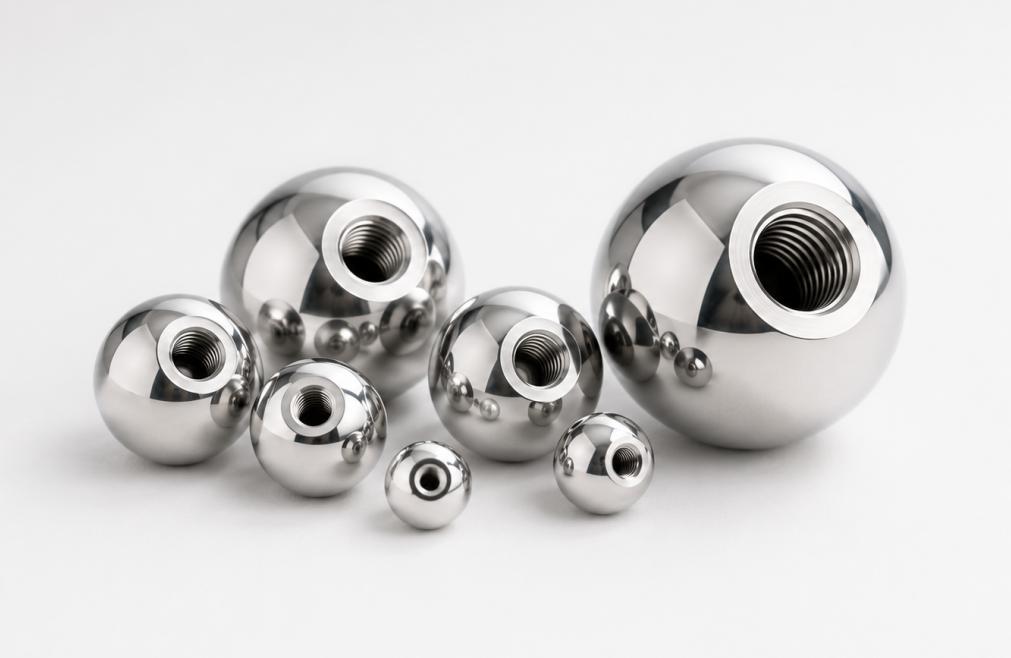
Стальной шар с резьбовым отверстием – это изготовленный по индивидуальному заказу сферический компонент, предназначенный для надежного крепления, установки в приспособлениях, принадлежностей станков, измерительного оборудования, декоративной фурнитуры и специальных промышленных узлов. Просверленное и нарезанное резьбовое отверстие позволяет закрепить шар на сопрягаемой детали, сохраняя при этом сферическую наружную поверхность для позиционирования, контакта, выравнивания или соблюдения требований к внешнему виду.
SDBALLS поставляет резьбовые шары из нержавеющей стали, латуни, алюминия и других материалов по требованию проекта с поверхностной обработкой, такой как полировка, матирование, нанесение покрытий, порошковая окраска и пескоструйная обработка. До запроса коммерческого предложения необходимо уточнить размер резьбы, глубину отверстия, конструкцию (сквозное или глухое отверстие), материал, диаметр, финишную обработку поверхности и функцию в сборе.
| Элемент | Рекомендуемое содержание страницы |
| Тип продукта | Стальной шар с резьбовым отверстием / просверленный и нарезанный шар / резьбовой сферический компонент |
| Доступные материалы | Нержавеющая сталь AISI 201, 304, 316; латунь; алюминий; другие материалы – по согласованию чертежа и технологической возможности производства |
| Диапазон диаметров | Диапазон, указанный в перечне: от 19 мм – 2000 мм; меньшие или специальные размеры – по рассмотрению проекта |
| Тип резьбы | Метрическая резьба, UNC/UNF или специальная резьба по чертежу; возможно изготовление с глухим или сквозным отверстием в соответствии с конструкцией |
| Позиция отверстия | Обычно выполняется одно резьбовое отверстие; возможность изготовления с несколькими отверстиями или приварными элементами рассматривается на основе чертежа |
| Сервис OEM | Сверление отверстия, нарезание резьбы, приварка гайки, приварка крюка, изготовление специальной монтажной конструкции и финишная обработка поверхности |
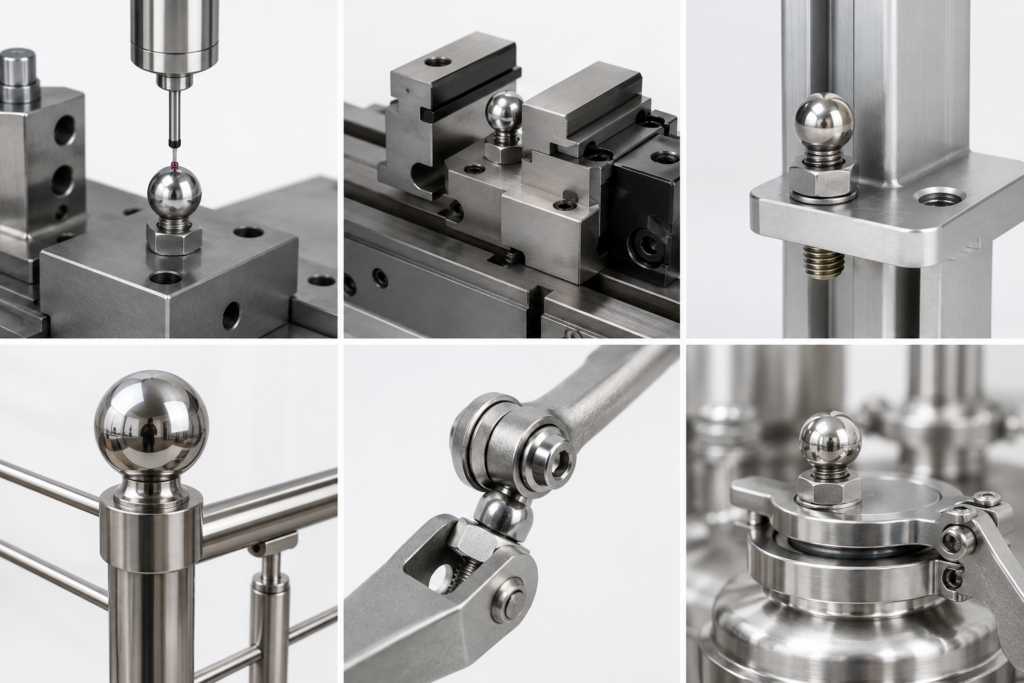
| Типичные области применения | Измерительные машины, станки, приспособления, монтажная фурнитура, декоративные сферы, архитектурная фурнитура, специальные сборочные узлы |
| Важные примечания для покупателя | Подтвердите диаметр шара, размер резьбы, глубину резьбы, тип отверстия, материал, финишную обработку поверхности, требования к нагрузке и способ монтажа |
Поделиться этим товаром
Обзор продукта
Стальной шар с резьбовым отверстием не является стандартным телом качения для подшипников. Это механически обработанный или изготовленный сферический компонент, используемый, когда шар необходимо надежно прикрепить к другой детали. Благодаря просверленному и нарезанному резьбовому отверстию шар может быть закреплен болтом, шпилькой, резьбовой штангой или специальным крепежом, в то время как наружная сферическая поверхность остается доступной для контакта, перемещения, позиционирования или визуального дизайна.
Это изделие особенно полезно для принадлежностей станков, креплений измерительных машин, позиционирующих элементов, шарнирных узлов, промышленной фурнитуры, декоративных сфер и нестандартных инженерных проектов. По сравнению с гладким шаром, требующим внешнего зажима или специального держателя, шар с резьбой предоставляет покупателю более прямой и экономичный способ монтажа.
Выбор материала и техническое позиционирование
Выбор материала должен основываться на рабочей среде, требованиях к внешнему виду, способе крепления и механической нагрузке. Нержавеющую сталь 304 часто выбирают из-за общей коррозионной стойкости и чистого внешнего вида. Нержавеющая сталь 316 больше подходит, когда требуется лучшая коррозионная стойкость. Латунь предлагает декоративный золотистый цвет, хорошую обрабатываемость и немагнитные свойства. Алюминий полезен для легкой сферической фурнитуры и крупногабаритных декоративных или сборочных компонентов.
Для шаров с резьбой ключевым техническим вопросом является не только диаметр шара, но и спецификация резьбы, длина свинчивания резьбы, толщина стенки вокруг отверстия, требования к концентричности, качество обработки поверхности, а также является ли шар сплошным, полым, сварным или интегрированным с другой деталью. Для высоконагруженных узлов покупатели должны предоставить чертежи или информацию о нагрузке, чтобы можно было должным образом оценить резьбовое соединение.
Технические характеристики резьбы и монтажной конструкции
| Параметр конструкции | Что необходимо подтвердить | Почему это важно |
| Диаметр шарика | Наружный диаметр в мм или дюймах | Соответствие элементов управления, внешний вид, контактная поверхность и доступная глубина резьбы |
| Размер резьбы | M3, M4, M5, M6, M8, M10, UNC/UNF или специальная резьба | Обеспечивает правильное сопряжение с болтом, шпилькой, резьбовой штангой или крепежным элементом |
| Тип отверстия | Глухое резьбовое отверстие, сквозное резьбовое отверстие, цековка, зенковка или специальная конструкция отверстия | Влияет на способ монтажа, прочность и внешний вид |
| Глубина резьбы | Эффективная глубина резьбы или требование полного проникновения | Определяет прочность крепления и надежность сборки |
| Позиция отверстия | Центральное отверстие, смещенное отверстие, многоотверстиевая схема или приварное крепление | Важно для позиционирования приспособлений и повторяемости сборки |
| Состояние материала | Цельный шар, полый шар, сварная сфера или механически обработанный шар | Влияет на несущую способность, обрабатываемость, вес и стоимость |
| Отделка поверхности | Полированный, шлифованный, гальванизированный, окрашенный, с порошковым покрытием или пескоструйная обработка | Влияет на внешний вид, коррозионную стойкость, трение и обращение |
Виды обработки поверхности и индивидуальные опции
Резьбовые шары могут поставляться с функциональной или декоративной обработкой поверхности. Шары из нержавеющей стали обычно полируются или шлифуются. Латунные шары можно полировать для получения яркого декоративного покрытия. Алюминиевые шары могут подвергаться анодированию, шлифовке, нанесению порошкового покрытия или полировке в зависимости от требований проекта. Гальванизация, пескоструйная обработка и специальные покрытия также могут обсуждаться, когда этого требуют внешний вид, защита от коррозии или сборочная функция.
Для специальных узлов компания SDBALLS может рассмотреть возможность изготовления просверленных отверстий, резьбовых отверстий, приварных гаек, приварных крюков, резьбовых вставок и других OEM-элементов. Если требуется резиновое или эластомерное покрытие, проект следует рассматривать как комбинированное инженерное изделие: шар с покрытием или резиновый компонент, а не как стандартный металлический резьбовой шар.
Применения и соответствие применению
| Приложение | Уровень соответствия | Примечание покупателя |
| Измерительные машины и метрологические приспособления | Очень хорошо | Резьбовое крепление обеспечивает стабильную фиксацию и повторяемость позиционирования. |
| Станочные приспособления и системы крепления | Очень хорошо | Применяются там, где сферический контакт или точка позиционирования должны быть закреплены на компоненте оборудования. |
| Промышленный монтажный крепеж | Очень хорошо | Непосредственная резьбовая фиксация упрощает монтаж по сравнению с внешними держателями. |
| Декоративные и архитектурные сферы | Хороший | Сферы большого диаметра из нержавеющей стали, латуни или алюминия могут монтироваться со скрытыми или видимыми резьбовыми соединениями. |
| Узлы шаровых шарниров или рычажных механизмов | Зависит от применения | Тип резьбы, материал, нагрузка, износ и угол перемещения должны подтверждаться чертежом. |
| Оборудование, чувствительное к коррозии | Применимо при правильном подборе материала | В зависимости от среды можно выбрать нержавеющую сталь марок 304 или 316. |
| Высокоскоростные подшипниковые применения | Не рекомендуется | Резьбовые шары — это конструктивные монтажные компоненты, а не прецизионные шарики для подшипников качения. |
| Критически важные соединения с высокой нагрузкой | Требуется рассмотрение | Перед использованием необходимо проверить нагрузку, глубину завинчивания, прочность материала и способ установки. |
Руководство по выбору материала
| Вариант материала | Типичная прочность | Ограничение | Когда рекомендуется |
| Нержавеющая сталь AISI 304 | Аккуратный внешний вид, общая коррозионная стойкость, свойства незакаленной нержавеющей стали | Менее коррозионностойкая, чем сталь 316, в средах с хлоридами | Общие промышленные приспособления, декоративный крепеж, чистые области применения внутри и снаружи помещений |
| Нержавеющая сталь AISI 316 | Более высокая коррозионная стойкость по сравнению с 304, подходит для более агрессивных сред | Более высокая стоимость по сравнению с 304 | Проекты, связанные с морским климатом, химическим воздействием, наружным применением или воздействием влаги |
| Нержавеющая сталь AISI 201 | Экономичный внешний вид нержавеющей стали | Более низкая коррозионная стойкость, чем у 304/316 | Декоративные или малокоррозионные среды, где важна стоимость |
| Латунь | Хорошая обрабатываемость, привлекательный золотистый внешний вид, немагнитные свойства | Мягче стали; не для резьбовых соединений с высоким износом или нагрузкой | Декоративная фурнитура, фитинги, приборы, специальные применения с акцентом на внешний вид |
| Алюминий | Легкий вес, поддается механической обработке, подходит для сфер большого размера | Пониженная прочность и износостойкость; риск коррозии под воздействием хлоридов | Крупные декоративные шары, легковесные сборки, архитектурные проекты |
| Хромистая сталь / закаленная сталь | Высокая твердость и износостойкость | Трудно сверлить/нарезать резьбу после закалки; риск коррозии | Специальные проекты с контактом при износе только после анализа процесса |
Производство и контроль процессов
Резьбовые шары требуют дополнительной механической обработки и контроля процесса сверх обычного производства шаров. Типовые этапы изготовления могут включать: выбор сырья, формовку шара или изготовление сферы, подготовку к мехобработке, сверление, нарезание резьбы метчиком или фрезой, удаление заусенцев, полировку или чистовую обработку, нанесение покрытия, очистку, контроль и упаковку.
Для цельных шаров процесс мехобработки должен учитывать твердость материала и его обрабатываемость резанием. Для полых или крупногабаритных сфер следует подтвердить толщину стенки, сварную конструкцию, усиление отверстия и прочность сборки. Для полированных или декоративных шаров важны удаление заусенцев с кромок отверстий и защита поверхности во избежание царапин при транспортировке и монтаже.
Контроль качества и инспекция
Типовой контроль включает: диаметр шара, размер резьбы, глубину резьбы, положение отверстия, внешний вид поверхности, состояние заусенцев, качество покрытия, подтверждение материала и состояние упаковки. Для применения в приспособлениях или станках покупатели могут также запросить подтверждение чертежа, утверждение образца, проверку резьбовыми калибрами, контроль шероховатости поверхности или функциональную проверку сборки.
Поскольку резьбовые шары часто являются заказными инженерными деталями, допуски и стандарты контроля должны быть согласованы до начала производства. SDBALLS может обеспечить, при необходимости, составление документации контроля по проекту, прослеживаемость партий, координацию стороннего контроля и проверку экспортной упаковки.
Варианты упаковки
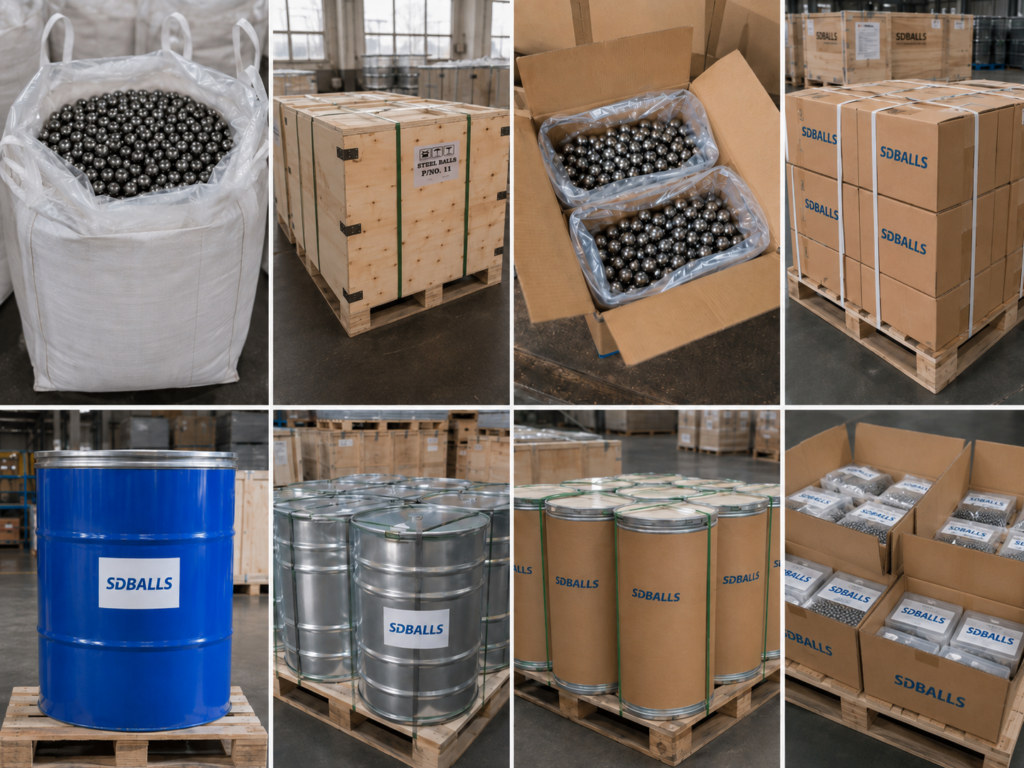
Упаковка выбирается исходя из размера шара, качества поверхности и требований экспортной транспортировки. Малые и средние резьбовые шары могут упаковываться в картонные коробки, с поролоновой защитой, в пластиковые пакеты или ведра. Крупные сферы из нержавеющей стали или декоративные могут потребовать индивидуальной обертки, усиленных картонных коробок, деревянных ящиков, поддонов или специальной защитной упаковки для предотвращения царапин и повреждения резьбы.
Как составить спецификацию для запроса
Для точного расчета стоимости просьба предоставить: диаметр шара, материал, цельную или полую конструкцию, размер резьбы, глубину резьбы, глухое или сквозное отверстие, положение отверстия, чертеж или эскиз, качество поверхности, количество, область применения, условия нагрузки или монтажа, требования к упаковке, порт назначения и условия поставки. Для запасных частей особенно полезны фотографии, образцы и текущие чертежи детали.
Технический FAQ
В: Для чего используется стальной шарик с резьбовым отверстием?
A: Используется для надежного крепления сферического компонента к другой детали. Типичные применения включают измерительные машины, станки, приспособления, монтажную фурнитуру, декоративные сферы и нестандартные сборки.
Вопрос: Является ли это изделие тем же самым, что и прецизионный подшипниковый шар?
Ответ: Нет. Резьбовой шар — это конструктивный монтажный или фиксирующий компонент. Он не предназначен для замены стандартного прецизионного подшипникового шара качения.
Вопрос: Какие материалы доступны?
Ответ: Общие варианты включают нержавеющую сталь марок 201, 304 и 316, латунь, алюминий и другие материалы по подтверждению в проекте. Оптимальный материал зависит от требований к коррозионной стойкости, прочности, весу, внешнему виду и обрабатываемости.
Вопрос: Можете ли вы изготавливать метрическую и дюймовую резьбу?
Ответ: Да. Возможность изготовления метрической, UNC/UNF и нестандартной резьбы обсуждаема в соответствии с чертежом, требованиями к резьбовому калибру и производственной целесообразностью.
Вопрос: Может ли резьбовое отверстие быть глухим или сквозным?
A: Да. Глухие резьбовые отверстия, сквозные резьбовые отверстия, отверстия с цековкой, потайные отверстия и специальные конфигурации отверстий могут быть рассмотрены в зависимости от области применения.
Q: Какая информация необходима перед запуском производства?
A: Пожалуйста, подтвердите диаметр шара, материал, размер резьбы, глубину резьбы, тип отверстия, качество обработки поверхности, количество, область применения, чертёж или образец, а также требования к упаковке.
Q: Может ли SDBALLS поставлять полированные или с покрытием резьбовые шары?
A: Да. Полировка, шлифование щётками, гальваническое покрытие, порошковая окраска, пескоструйная обработка и другие виды обработки поверхности могут быть обсуждены в зависимости от материала и конечного применения.
Q: Можно ли использовать резьбовые шары в узлах с высокой нагрузкой?
A: Они применимы во многих монтажных решениях, однако при высоких нагрузках или в критически важных для безопасности конструкциях требуется анализ прочности материала, зацепления резьбы, толщины стенки, типа крепежа и метода установки.
Сопутствующие товары
Запланировать запрос A
Свяжитесь с нами сегодня по любым вопросам. (*) Обозначает обязательные поля.