
-10.png)
-9.png)
-9.png)
-9.png)
-9.png)
Шарики из оксида циркония
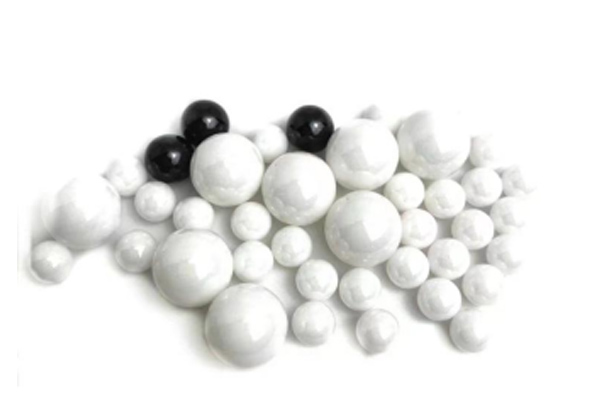
Циркониевые шарики (диоксид циркония) — это высокоэффективные керамические шарики, изготовленные из материала на основе диоксида циркония, как правило, из стабилизированного оксидом иттрия диоксида циркония (ZrO2 + Y2O3). Они предназначены для сложных условий эксплуатации, требующих высокой износостойкости, высокой прочности на сжатие, стабильности размеров, химической инертности и надежной работы в коррозионных или высокотемпературных средах.
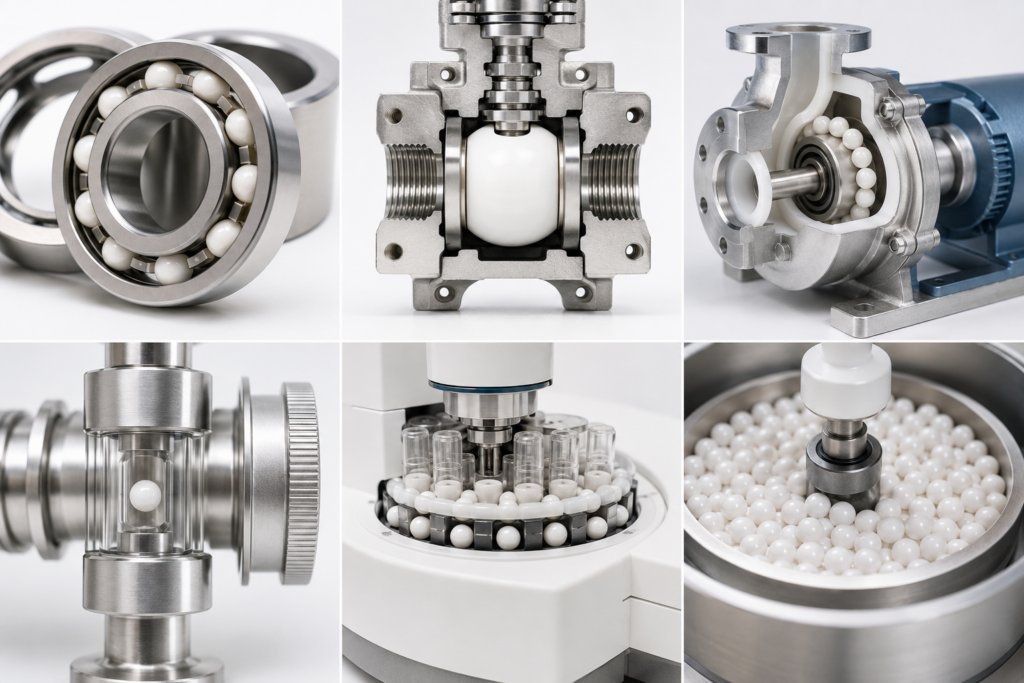
SDBALLS поставляет циркониевые шарики диаметром от 0,6 мм до 100 мм, обычно с классами точности от G10 до G100 по ISO 3290. Эти керамические шарики широко применяются в специальных подшипниках, регулирующих клапанах, насосах, расходомерах, измерительных приборах, медицинских компонентах, нефтяном оборудовании, а также в отдельных случаях для измельчения, где обычные стальные шарики могут слишком быстро изнашиваться или корродировать.
| Элемент | Рекомендуемое содержание страницы |
| Материал / Торговое название | Диоксид циркония / Циркониевая керамика / ZrO2 + Y2O3 |
| Диапазон диаметров | 0,6 мм – 100 мм |
| Прецизионные марки | ISO 3290 G10, G16, G20, G40, G60, G100;
уточняется в зависимости от размера и производственной возможности |
| Твердость | Типовая твердость HRA 87–91 |
| Плотность | Прибл. 6,0 г/см³ |
| Модуль упругости | Приблизительно 210 ГПа |
| Справочные данные по прочности | Высокая механическая прочность; значения характеристической прочности зависят от марки диоксида циркония и метода испытаний |
| Термостойкость | Пригодны для эксплуатации при повышенных температурах; ориентировочная рабочая температура до ~1350°C в зависимости от условий применения |
| Магнетизм | Немагнитный |
| Коррозионная стойкость | Отличная устойчивость ко многим агрессивным средам; не рекомендуется для плавиковой кислоты и некоторых экстремальных химических условий без предварительных испытаний |
| Электрические свойства | Электроизоляция |
| Типичные области применения | Специальные подшипники, регулирующие клапаны, насосы для агрессивных сред, расходомеры, измерительные приборы, предохранительные клапаны, медицинские компоненты, мелющие тела |
Поделиться этим товаром
Обзор продукта
Шары из оксида циркония — это высокотехнологичные керамические шары, разработанные для применений, где традиционные металлические шары могут иметь ограничения по коррозионной стойкости, весу, электроизоляции, износостойкости или работе при высоких температурах. По сравнению с шарами из подшипниковой или нержавеющей стали, циркониевые шары обеспечивают уникальное сочетание высокой твердости, пониженной относительно стали плотности, химической инертности и низкой теплопроводности.
Для покупателя ценность шаров из оксида циркония заключается в увеличенном сроке службы в агрессивных средах, снижении риска загрязнения ржавчиной, повышенной износостойкости, а также в более легких компонентах качения или уплотнения, которые могут способствовать уменьшению износа сопрягаемых деталей. Эти преимущества делают циркониевые шары особенно подходящими для узлов премиум-класса и критически важных узлов, где надежность важнее только первоначальной стоимости материала.
Выбор материала и техническое позиционирование
Оксид циркония — это керамический, а не металлический материал. В промышленных шариковых применениях он обычно поставляется в виде стабилизированного диоксида циркония, часто с использованием иттрия в качестве стабилизатора. В результате получается плотный, высокопрочный керамический шар с превосходной износостойкостью, высокой коррозионной стойкостью во многих средах и очень хорошей стабильностью размеров.
По сравнению с шарами из нитрида кремния, циркониевые шары, как правило, тяжелее, но часто обеспечивают высокую химическую инертность и экономически эффективные керамические характеристики в применениях для клапанов, насосов, регулирования потока и измельчения. По сравнению с шарами из оксида алюминия, диоксид циркония обычно обладает более высокой плотностью, улучшенной вязкостью и превосходным износостойким поведением для тяжелых условий эксплуатации. По сравнению с шарами из нержавеющей стали 440C или хромистой стали, диоксид циркония обеспечивает немагнитные и нержавеющие свойства, однако керамику всегда следует тщательно выбирать для применений с ударными нагрузками, поскольку хрупкость керамики отличается от поведения металлических материалов.
Ключевые преимущества для покупателей
- Отличная износостойкость для длительного срока службы в условиях абразивного износа или многократного контакта.
- Высокая коррозионная стойкость во многих химических средах и при воздействии влаги.
- Высокая термостойкость по сравнению со многими металлическими и пластиковыми альтернативами.
- Немагнитность и электроизоляционные свойства, что подходит для специализированных применений в приборах и подшипниках.
- Меньший вес по сравнению со сталью, способствующий снижению инерции и минимизации износа сопрягаемых компонентов в некоторых узлах.
- Пригодны как для точного перемещения, так и для уплотнительных функций в насосах, клапанах, счетчиках, а также в медицинском или лабораторном оборудовании.
- Доступны в нескольких классах точности и нестандартных размерах для OEM-производителей и для замены.
Применения и соответствие применению
| Приложение | Уровень соответствия | Примечание покупателя |
| Специальные подшипники и гибридные узлы | Очень хорошо | Подходит там, где требуется коррозионная стойкость, немагнитное поведение, низкая загрязненность или уменьшенный вес. |
| Регулирующие клапаны и уплотнительные клапаны | Очень хорошо | Широко используется для коррозионностойких уплотнительных сопряжений; проверьте конструкцию седла, рабочее давление и совместимость с рабочей средой. |
| Насосы в коррозионных или абразивных средах | Очень хорошо | Полезен в условиях агрессивного воздействия жидкостей, где стальные шары могут подвергаться коррозии или преждевременному износу. |
| Расходомеры и измерительные приборы | Очень хорошо | Стабильная геометрия, химическая инертность и немагнитные свойства способствуют надежности измерений. |
| Медицинское и лабораторное оборудование | Хороший | Подходит для выбранных неметаллических компонентов; проверьте соответствие нормативным требованиям, стерилизацию и требования к чистоте. |
| Применение для шлифования и размола | Хороший | Циркониевая оснастка обеспечивает высокую износостойкость и низкое загрязнение; подтвердите размер оснастки и энергию процесса. |
| Механизмы, работающие при сильных ударах или ударных нагрузках | Условно | Керамические шары прочны, но не являются универсальной заменой стали при неконтролируемых ударных нагрузках. |
Справочный состав материала
Шары из оксида циркония обычно поставляются в виде стабилизированной циркониевой керамики. Точный состав может варьироваться в зависимости от марки и производителя. Типичная эталонная рецептура приведена ниже только для ознакомления на странице продукта.
| Компонент | Эталонный диапазон | Примечание |
| ZrO2 | Баланс | Основная керамическая фаза |
| Y₂O₃ | Содержание стабилизатора, зависит от марки | Используется для стабилизации структуры диоксида циркония и улучшения характеристик |
| Прочие малые добавки | Следовые количества / зависят от процесса | Могут варьироваться в зависимости от марки керамики и способа изготовления |
Примечание: точный химический состав материала должен соответствовать согласованной спецификации поставщика, техническому чертежу или протоколу испытаний.
Руководство по выбору конкурентных материалов
| Вариант материала | Типичная прочность | Ограничение | Когда рекомендуется |
| Шарики из оксида циркония | Высокая износостойкость, высокая коррозионная стойкость, стабильность при высоких температурах, немагнитность | Более высокая стоимость по сравнению со сталью; для применения с ударными нагрузками требуется анализ посадок в керамике | Клапаны, насосы, счётчики, медицинские устройства, шлифовка и точные узлы, работающие в тяжелых условиях |
| Шарики из нитрида кремния | Очень низкая плотность, высокоскоростные характеристики, электроизоляция | Обычно дороже; при выборе области применения следует учитывать удар и стоимость | Высокоскоростные подшипники, гибридные подшипники, авиакосмическая техника и современные точные системы |
| Керамические шарики из оксида алюминия | Твёрдые, коррозионностойкие, электроизоляционные | Более низкая вязкость, чем у диоксида циркония, во многих областях применения | Применение в коррозионных средах, клапанах и отдельных компонентах из керамики |
| Шарики из нержавеющей стали 440C | Твердый, износостойкий, пригодный для подшипников вариант из нержавейки | Может ржаветь в агрессивных средах; магнитен | Точные механические применения, требующие твердости и умеренной коррозионной стойкости |
| Шарики из хромистой стали AISI 52100 | Высокая твердость, отличные показатели в подшипниках, экономичен для точной прокатки | Неустойчив к коррозии; магнитен; непригоден для агрессивных сред без защиты | Общее применение в подшипниках и механике в контролируемых условиях |
Производство и контроль процессов
SDBALLS управляет поставками шариков из оксида циркония через подготовку сырья, керамическое формование или порошковые технологии, спекание, калибровку, прецизионное шлифование, притирку, полировку, сортировку, контроль, очистку и упаковку. Поскольку эксплуатационные свойства керамических шариков сильно зависят от плотности, микроструктуры, сферичности и состояния поверхности, контроль процесса критичен на каждом этапе.
Для технических проектов SDBALLS может координировать выбор класса точности, проверку размеров, утверждение образцов и особые требования к упаковке или маркировке в соответствии с потребностями OEM или промышленной замены.
Контроль качества и инспекция
Типовые проверки шариков из оксида циркония включают диаметр, класс точности, сферичность, внешний вид поверхности, плотность, твердость и состояние упаковки. В зависимости от проекта могут обсуждаться дополнительные проверки, такие как верификация материала, прослеживаемость партии, протоколы контроля и координация испытаний сторонними организациями.
Для экспортно-ориентированных поставок SDBALLS обеспечивает стандартную коммерческую документацию качества и может обсуждать индивидуальные протоколы контроля, процессы утверждения образцов и требования к стабильности повторных заказов.
Варианты упаковки
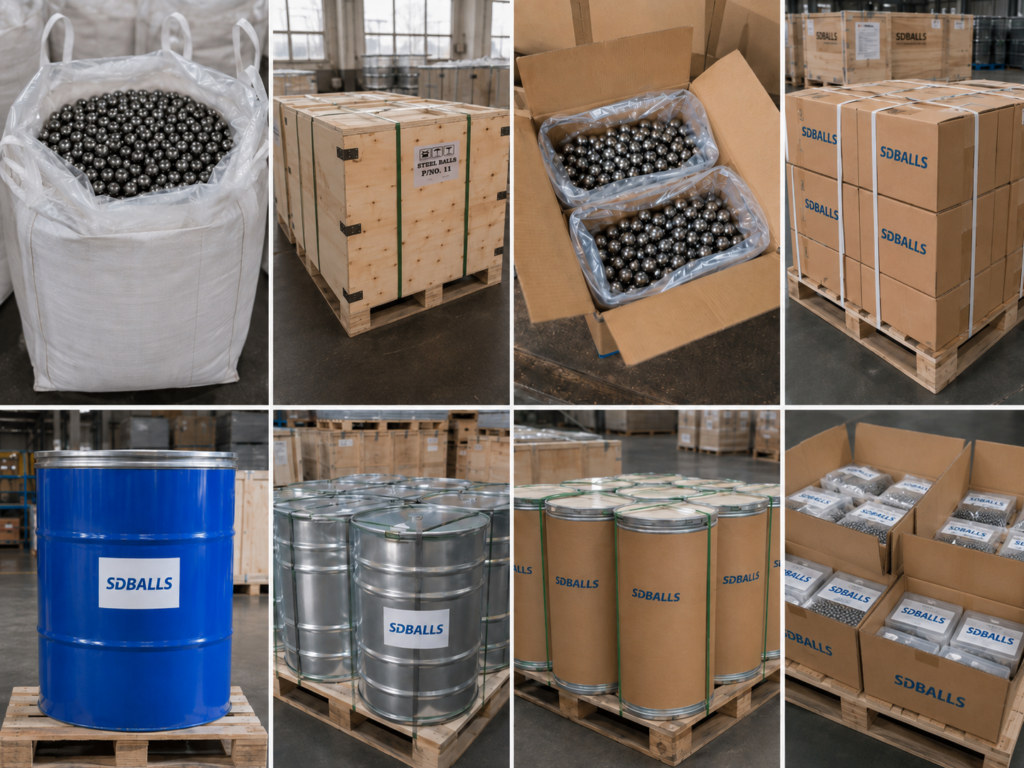
Доступные варианты упаковки включают мешки для насыпных грузов, коробки, ведра, пластиковые бутылки, бочки, экспортную упаковку на паллетах и фирменную OEM-упаковку. Для прецизионных керамических шариков рекомендуется чистая упаковка и идентификация партии, особенно для клапанного, подшипникового, медицинского или приборного применения.
Как составить спецификацию для запроса
Для точного расчета стоимости просим подтвердить: материал шарика (оксид циркония / диоксид циркония), диаметр в мм или дюймах, требуемый класс точности, количество, целевое применение, рабочую среду, температурные условия, требования к упаковке, требования к документации контроля, порт назначения и условия поставки. При необходимости покупателям также следует предоставить чертежи, спецификации текущего поставщика, сведения о сопрягаемых седлах или образцы для проектов замены.
Технический FAQ
В: Что такое шарики из оксида циркония?
О: Шарики из оксида циркония — это прецизионные керамические шарики из материала на основе диоксида циркония, обычно стабилизированного оксидом иттрия. Их используют там, где важны износостойкость, коррозионная стойкость, термическая стабильность и немагнитные свойства.
В: Какие размеры и классы точности может поставить SDBALLS?
О: Стандартный диапазон страницы — от 0,6 мм до 100 мм, с распространенными классами точности от G10 до G100 по ISO 3290, при условии подтверждения размера и производства.
В: Обладают ли шары из оксида циркония магнитными свойствами?
О: Нет. Шары из оксида циркония немагнитны и электроизоляционны, что делает их пригодными для многих приборов, специальных подшипников и неметаллических клапанных узлов.
В: Могут ли шары из оксида циркония заменить стальные шары?
О: Во многих коррозионных, высокоабразивных или чувствительных к загрязнению применениях — да. Однако пригодность замены зависит от нагрузки, ударных условий, скорости, рабочей среды и конструкции узла.
В: Устойчивы ли шары из оксида циркония к коррозии?
О: Да, они обладают отличной стойкостью ко многим коррозионным средам. Тем не менее, совместимость со средой следует дополнительно проверять для особо агрессивных химикатов или нестандартных условий эксплуатации.
В: Можно ли использовать шары из оксида циркония для измельчения?
О: Да. Измельчающие тела из диоксида циркония широко применяются там, где требуются низкое загрязнение, длительный срок службы и стабильные керамические характеристики. Перед составлением предложения необходимо уточнить размер частиц и технологические условия.
В: Какая информация необходима для расчёта стоимости?
О: Пожалуйста, укажите диаметр, сорт, количество, область применения, рабочую среду, температурные условия, требования к упаковке, а также любые чертежи, образцы или требования к испытаниям.
В: В чем преимущество оксида циркония по сравнению с другими керамическими шарами?
О: Оксид циркония обычно обеспечивает удачное сочетание плотности, износостойкости, ударной вязкости и химической стабильности, что делает его практичным выбором для клапанов, насосов, расходомеров, медицинских компонентов и применения в измельчении.
Сопутствующие товары
Запланировать запрос A
Свяжитесь с нами сегодня по любым вопросам. (*) Обозначает обязательные поля.