
-1.png)
-1.png)
-1.png)
-1.png)
-1.png)
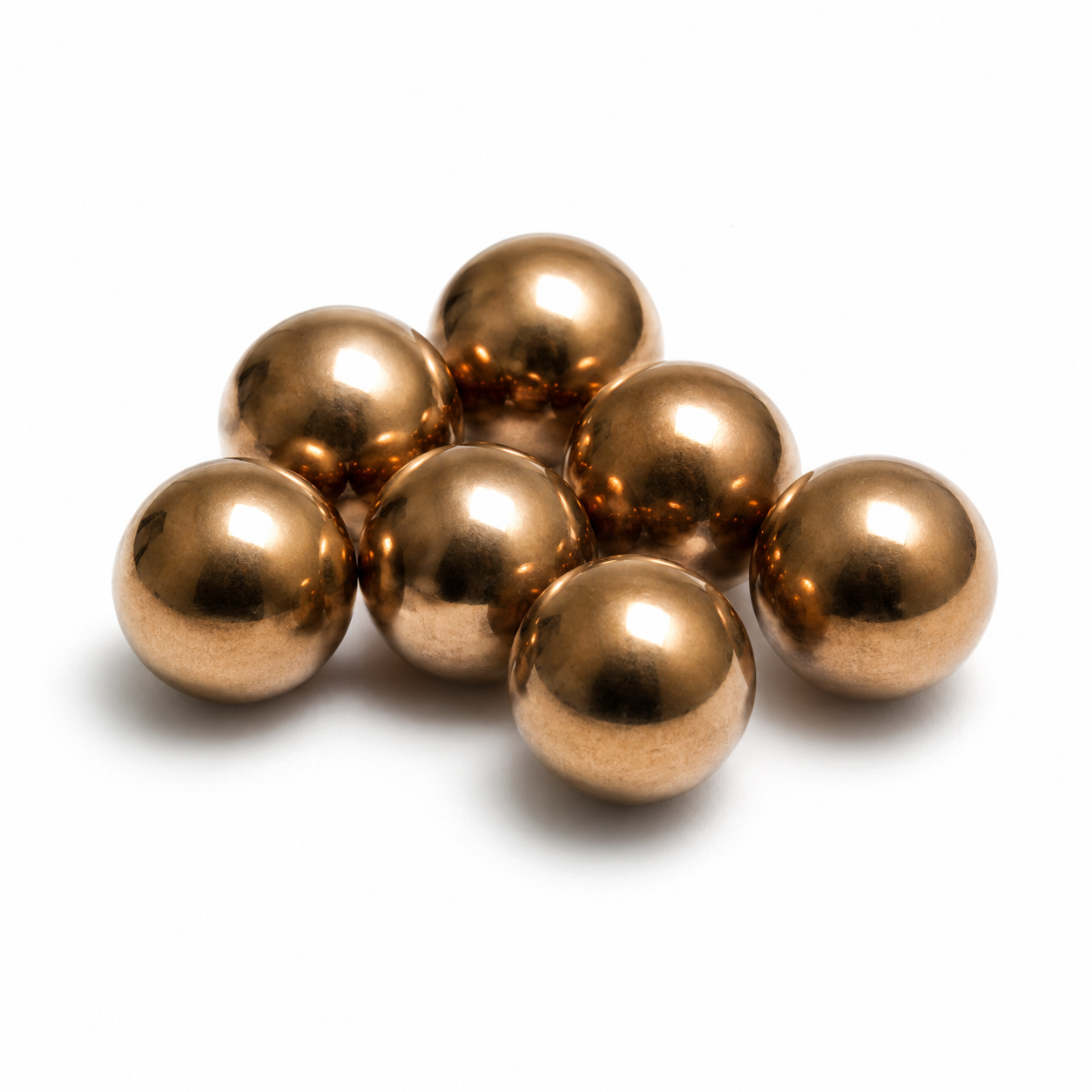
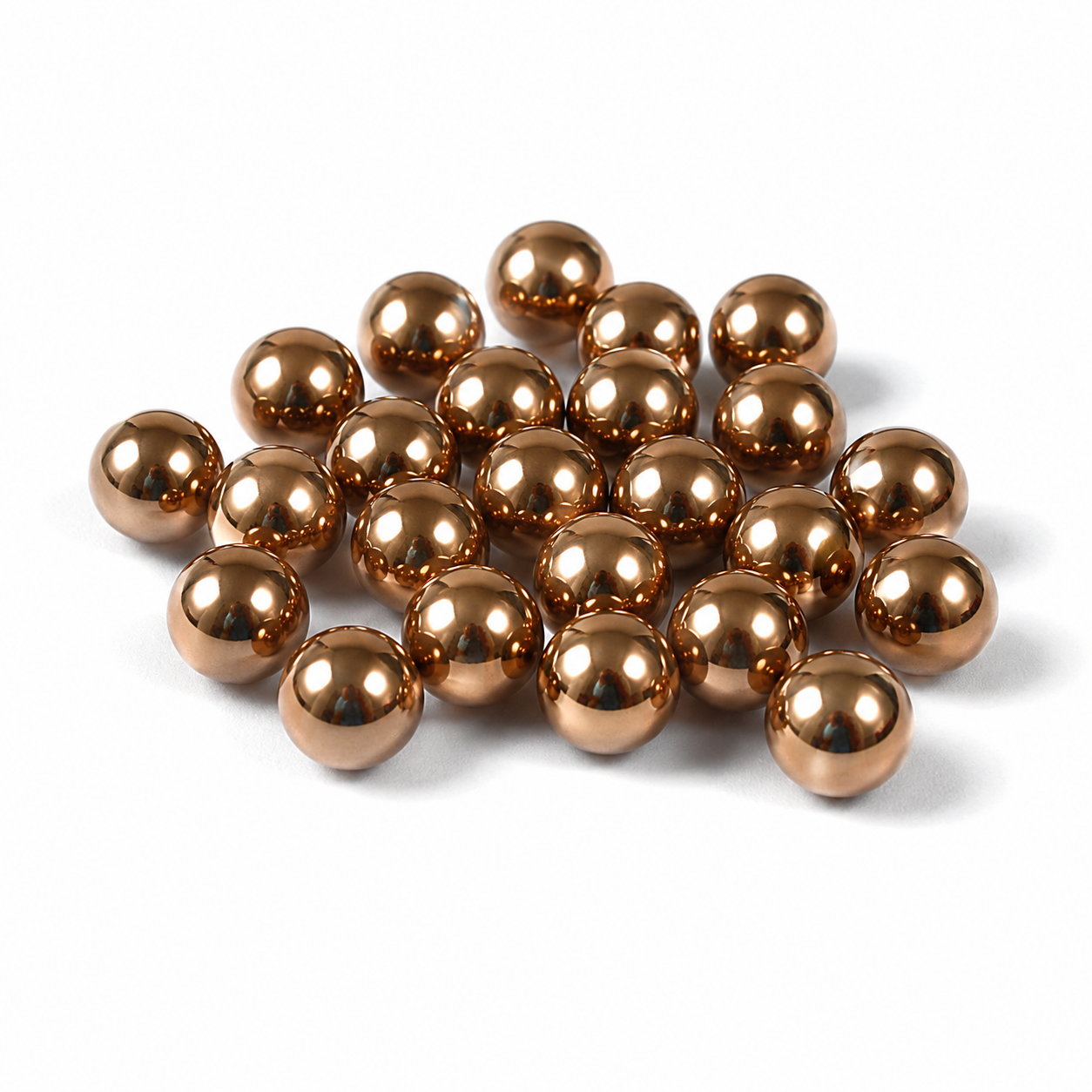
Фосфористо-бронзовые шары – прецизионные шары из бронзовых сплавов CuSn5, CuSn6 и CuSn8
Шарики из фосфористой бронзы — это шарики из медно-оловянно-фосфорного сплава, предназначенные для применений, где требуется практичный баланс износостойкости, усталостной прочности, коррозионной стойкости, немагнитных свойств и электропроводности. По сравнению с чисто медными шариками, шарики из фосфористой бронзы обладают более высокой прочностью и лучшей износостойкостью; по сравнению с латунными шариками их часто выбирают там, где требуются улучшенные пружиноподобные механические характеристики, стабильная посадка и долговременная контактная выносливость.
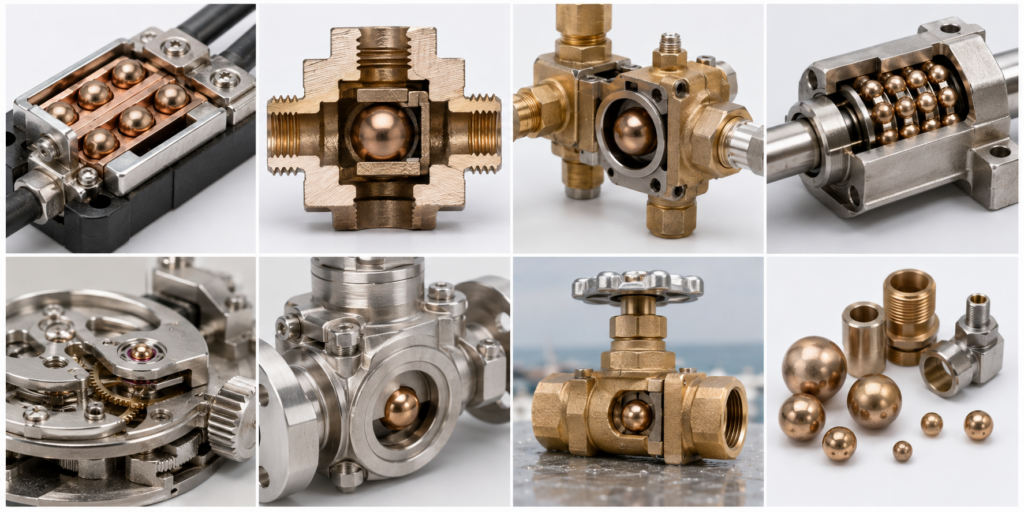
SDBALLS поставляет шарики из фосфористой бронзы в семействах сплавов CuSn5, CuSn6 и CuSn8, с распространенными международными эквивалентами, такими как C51000, C51900 и C52100. Типичные размеры варьируются от 1,5 мм до 150,0 мм, классы точности от G100 до G1000, твердость около HRB 75–105. Эти шарики обычно используются в электрических проводниках, электромеханических контактах, специальных клапанах и насосах, обратных клапанах, специальных подшипниках, приборах, деталях регулирования потока и промышленных механических узлах.
| Элемент | Рекомендуемое содержание страницы |
| Название продукта | Шарики из фосфорной бронзы |
| Семейство материалов | Медно-оловянно-фосфорный сплав / фосфористая бронза |
| Распространенные типы сплавов | CuSn5, CuSn6, CuSn8; C51000, C51900, C52100 |
| Диапазон диаметров | 1,5 мм – 150,0 мм; другие размеры подлежат уточнению при производстве |
| Прецизионные марки | G100, G200, G500, G1000; выбираются в зависимости от применения и целевой стоимости |
| Твердость | Типичная твердость HRB 75–105 в зависимости от типа сплава и условий производства |
Поделиться этим товаром
Обзор продукта
Шарики из фосфористой бронзы — это прецизионные шарики из медного сплава, изготовленные из меди, олова и небольшого количества фосфора. Содержание олова повышает прочность и коррозионную стойкость, а фосфор способствует износостойкости, жесткости и стабильности мелкозернистой структуры. Эта система сплава делает фосфористую бронзу полезным материалом для подвижных контактных деталей, седел клапанов, токопроводящих узлов и специальных компонентов подшипников, где обычная сталь, латунь или чистая медь могут не обеспечить надлежащего баланса характеристик.
Для промышленных покупателей основная ценность шариков из фосфористой бронзы заключается в их сбалансированных характеристиках: они прочнее и износостойче чисто медных шариков, немагнитны, как большинство медных сплавов, механически долговечнее многих латунных вариантов и подходят для многих применений с контактом с водой, паром, маслом и бензином. Их не следует позиционировать как замену нержавеющей стали в агрессивных кислых, щелочных или химических средах с высоким содержанием хлоридов.
Выбор материала и техническое позиционирование
Фосфористая бронза выбирается, когда требуется проводимость в сочетании с механической прочностью. Она не так проводит, как чистая медь, но обеспечивает лучшую износостойкость и усталостную прочность. Она не так тверда, как подшипниковая сталь или нержавеющая сталь 440C, но хорошо подходит там, где немагнитные свойства, коррозионная стойкость в совместимых средах, стабильный контакт и умеренная механическая прочность важнее, чем очень высокая твердость.
Правильная отраслевая терминология включает: шары из фосфористой бронзы, бронзовые шары CuSn5, бронзовые шары CuSn6, бронзовые шары CuSn8, шары из фосфористой бронзы C51000, шары из фосфористой бронзы C51900, шары из фосфористой бронзы C52100, сплав медь-олово-фосфор, немагнитные бронзовые шары, шары из бронзового сплава для клапанов, проводников и специальных подшипников.
Технические характеристики
| Элемент спецификации | Типовое значение / Описание |
| Материал | Фосфористая бронза / P-бронза / сплав медь-олово-фосфор |
| Распространённые марки | CuSn5, CuSn6, CuSn8; C51000, C51900, C52100 |
| Диапазон диаметров | 1,5 мм – 150,0 мм |
| Прецизионный класс | G100 – G1000 |
| Твердость | HRB 75–105, в зависимости от сплава и состояния |
| Плотность | Прибл. 8,8–8,92 г/см³ |
| Модуль Юнга | Прибл. 116–117 ГПа |
| Предел прочности | Прибл. 600–700 МПа в качестве общего ориентира; окончательное значение зависит от сплава и состояния |
| Магнетизм | Немагнитный |
| Электрические свойства | Хорошая проводимость для электромеханических и токопроводящих узлов, ниже, чем у чистой меди |
| Отделка поверхности | Полированное, очищенное, пассивированное или специальное состояние поверхности по запросу |
| Коррозионная стойкость | Хорошая стойкость в воде, паре, минеральных маслах и бензине; не рекомендуется для кислот, щелочей или агрессивных химических сред без подтверждения совместимости |
| Состояние поверхности | Чистое полированное или пассивированное состояние; специальная отделка поверхности по запросу |
| Типичные области применения | Электрические проводники, специальные клапаны и насосы, обратные клапаны, специальные подшипники, приборы, электромеханические контакты, детали управления потоком |
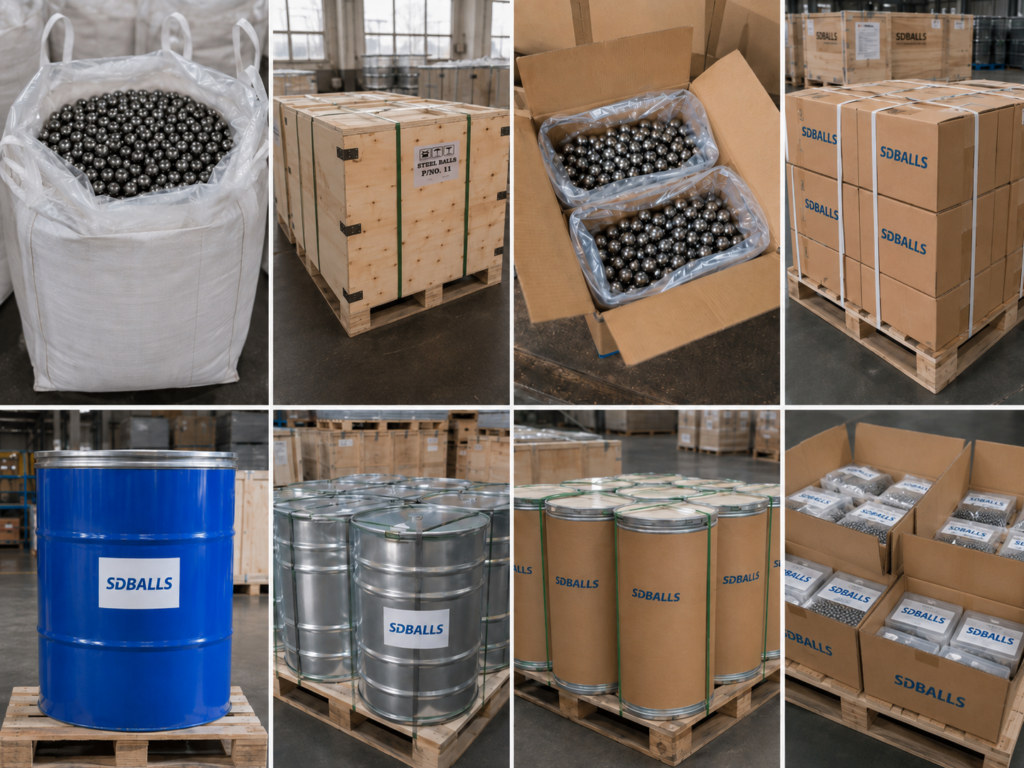
| Упаковка | Мешок (биг-бэг), коробка, бочка, ведро, паллета или индивидуальная OEM-упаковка |
Справочный химический состав
Указанные ниже диапазоны состава являются справочными значениями для распространенных семейств фосфористой бронзы. Окончательный химический состав должен соответствовать согласованному стандарту на материал, чертежу или заказу на поставку.
| Тип | P % | Cu % | Sn % | Zn макс. % | Pb макс. % | Fe макс. % |
| CuSn5 | 0.030-0.350 | Баланс | 4.20-5.80 | 0.30 | 0.050 | 0.10 |
| CuSn6 | 0.030-0.350 | Баланс | 5.00-7.00 | 0.30 | 0.050 | 0.10 |
| CuSn8 | 0.030-0.350 | Баланс | 7.00-9.00 | 0.20 | 0.050 | 0.10 |
Международные эквиваленты марок
| США | Китай | CEN / EN | Германия | Франция | Великобритания | Россия | Япония |
| C51000 | QSn4-0.3 | CW451K | – | CuSn5Zn4 | ПБ 102 | – | C5102 |
| C51900 | QSn6.5-0.1 | CW452K | 2.1020 | CuSn6P | ПБ 103 | BrOF6.5-0.15 | C5191 |
| C52100 | QSn8-0.3 | CW453K | 2.1030 | CuSn9P | ПБ 104 | – | C5210 |
Твердость, коррозионная стойкость и эксплуатационные характеристики
Шары из фосфористой бронзы не являются термообработанными шариками из подшипниковой стали. Их рабочие свойства определяются системой сплава медь-олово-фосфор и выбранными условиями производства. Типичная твердость составляет HRB 75-105, что подходит для многих применений в клапанах, насосах, проводниках и специальных подшипниках, но не следует напрямую сравнивать ее со значениями HRC для закаленных стальных шаров.
Коррозионная стойкость, как правило, хорошая при контакте с водой, паром, минеральными маслами и бензином. Однако шары из фосфористой бронзы не рекомендуются для использования с кислотами, щелочами или агрессивными химическими средами, если только покупатель не подтвердит химическую совместимость путем испытаний или инженерной оценки. Для сред с высокой коррозионной активностью могут оказаться более подходящими алюминиевая бронза, нержавеющая сталь, керамика или другие коррозионностойкие материалы.
Применения и соответствие применению
| Приложение | Уровень соответствия | Почему это подходит | Примечание покупателя |
| Электрические проводники и электромеханические контакты | Очень хорошо | Хорошая проводимость в сочетании с лучшей износостойкостью, чем у чистой меди. | Подтвердите требуемую проводимость, качество поверхности и контактное давление. |
| Обратные клапаны и шары невозвратных клапанов | Очень хорошо | Стабильная посадка, износостойкость и коррозионная стойкость в совместимых жидкостях. | Подтвердите тип жидкости, давление, температуру и требования к уплотнению |
| Специальные клапаны и компоненты насосов | Хороший | Полезная механическая прочность и коррозионная стойкость в воде, паре, маслах и бензине | Избегайте кислот и щелочей, если не подтверждена совместимость |
| Специальные подшипники и детали с низким трением | Хороший | Низкое трение и сопротивление усталости обеспечивают контролируемое движение | Не заменяет высокоскоростную закалённую подшипниковую сталь |
| Приборы и прецизионные механические узлы | Хороший | Немагнитное поведение и стабильные характеристики сплава обеспечивают работу чувствительных узлов | Подтвердите допуск, отделку и требования к магнитным свойствам |
| Морское или наружное оборудование | Зависит от применения | Коррозионная стойкость медного сплава может быть полезна в некоторых средах | Проверьте воздействие хлоридов и при необходимости рассмотрите варианты из алюминиевой бронзы или нержавеющей стали |
| Работа с кислотами, щелочами или агрессивными химическими веществами | Ограниченно / не рекомендуется | Фосфористая бронза не подходит для многих кислот и щелочей | Выберите альтернативный материал с химической совместимостью |
Руководство по выбору материала
| Вариант материала | Типичная прочность | Ограничение | Когда рекомендуется |
| Шарики из фосфористой бронзы | Хорошая износостойкость, усталостная прочность, немагнитное поведение и проводимость | Не подходит для кислот/щелочей; твёрдость ниже, чем у стальных шариков | Проводники, обратные клапаны, насосы, специальные подшипники и немагнитные механические детали |
| Шары из чистой меди | Высокая электропроводность и отличная обрабатываемость давлением | Мягче и с более низкой износостойкостью, чем фосфористая бронза | Электрические контакты, декоративные элементы, мягкая медь и области с высокой электропроводностью |
| Латунные шарики | Хорошая обрабатываемость, электропроводность и коррозионная стойкость при более низкой стоимости | Более низкая износо- и усталостная стойкость по сравнению с фосфористой бронзой в некоторых подвижных контактах | Общая арматура, выключатели, приборы, декоративная фурнитура и применения с низким износом |
| Шарики из алюминиевой бронзы | Более высокая прочность и лучшая коррозионная стойкость, чем у фосфористой бронзы в некоторых средах | Более высокая стоимость и иное поведение сплава | Применения в морской среде, для тяжелонагруженных клапанов и с повышенной коррозионной стойкостью бронзы |
| Шарики из нержавеющей стали | Лучшие варианты коррозионной стойкости и широкий выбор марок | Более низкая электропроводность; некоторые марки магнитные/закалённые, а некоторые — мягкие | Применения в пищевой, химической, гигиенической отраслях, во влажных средах и там, где требуется нержавеющая сталь |
| Шарики из хромистой/подшипниковой стали | Высокая твёрдость, точность и усталостная стойкость подшипников | Магнитные и нестойкие к коррозии; не обладают электрическими свойствами медных сплавов | Высокоскоростные подшипники и прецизионные тела качения |
Производство и контроль процессов
Компания SDBALLS управляет производством шариков из фосфористой бронзы, включая выбор сплава, подготовку заготовок, формовку, удаление облоя, шлифовку или притирку при необходимости, полировку, очистку, пассивацию или подготовку поверхности, контроль и экспортную упаковку. При выполнении индивидуальных проектов процесс может корректироваться в зависимости от диаметра, класса точности, качества поверхности, области применения и требований к упаковке.
Поскольку фосфористая бронза мягче закаленной подшипниковой стали, важны обработка поверхности и финальная очистка. Контроль производства должен быть сосредоточен на округлости, стабильности размеров, поверхностных дефектах, чистоте, пассивированном состоянии и правильной идентификации сплава.
Контроль качества и инспекция
Типовые контрольные параметры включают диаметр, класс точности, округлость, внешний вид поверхности, твердость, подтверждение сплава, состояние поверхности, состояние упаковки и проверку количества. Для OEM-проектов SDBALLS может обсудить протоколы контроля, утверждение образцов, испытания сторонними организациями, требования RoHS, сертификаты на материалы, индивидуальную маркировку и требования к прослеживаемости партий.
- Контроль диаметра и класса точности в соответствии с согласованными допусками.
- Осмотр поверхности на наличие царапин, вмятин, пятен и загрязнений.
- Проверка твердости, если указано покупателем или в чертеже.
- Подтверждение материала и сплава для CuSn5, CuSn6, CuSn8 или эквивалентных марок.
- Проверка упаковки для экспортных поставок, складских запасов дистрибьютора или использования в OEM-сборке.
Варианты упаковки
Шарики из фосфористой бронзы могут поставляться в мешках навалом, картонных коробках, пластиковых ведрах, бочках, на поддонах в экспортной упаковке или в индивидуальной OEM-упаковке. Для прецизионных деталей, шариков малого диаметра, заказов дистрибьюторов или использования в электромеханической сборке внутренняя упаковка и маркировка могут быть адаптированы для защиты поверхности и упрощения входного контроля.
Как составить спецификацию для запроса
Для точного расчета стоимости, пожалуйста, подтвердите следующую информацию:
- Марка материала или семейство сплава: CuSn5, CuSn6, CuSn8, C51000, C51900, C52100 или эквивалент.
- Диаметр в мм или дюймах и требуемый класс точности.
- Требования к твердости или состоянию (отжиг/нагартовка), если указаны в чертеже.
- Обработка поверхности: полированная, пассивированная, очищенная или специальная отделка.
- Применение и рабочая среда, особенно для клапанов, насосов или контакта с химикатами.
- Требования к магнитным свойствам, проводимости или коррозионной стойкости, если критично.
- Количество, способ упаковки, требования к маркировке и график поставки.
- Контрольные документы, сертификат на материал, RoHS или требования к испытаниям сторонними организациями.
- Порт назначения и условия поставки, такие как FOB, CIF, DAP или DDP.
Технический FAQ
В: Для чего используются шарики из фосфорной бронзы?
A: Они широко применяются в электрических проводниках, электромеханических контактах, специальных клапанах и насосах, обратных клапанах, специальных подшипниках, приборах и механических узлах, требующих износостойкости, коррозионной стойкости, проводимости и немагнитных свойств.
Q: В чем разница между фосфористо-бронзовыми шарами и шарами из чистой меди?
A: Шары из чистой меди обладают более высокой электропроводностью и лучшей мягкостью/деформируемостью. Фосфористо-бронзовые шары содержат олово и фосфор, что обеспечивает им более высокую прочность, износостойкость и усталостную долговечность, но более низкую проводимость по сравнению с чистой медью.
Q: Магнитны ли фосфористо-бронзовые шары?
A: Нет. Фосфористая бронза — это медный сплав и в целом немагнитна, что делает ее пригодной для приборов, электромеханических деталей и применений, где следует избегать магнитных помех.
Q: Устойчивы ли фосфористо-бронзовые шары к коррозии?
A: Они обладают хорошей коррозионной стойкостью в воде, паре, минеральных маслах и бензине. Они не рекомендуются для кислот, щелочей или агрессивных химических сред, если совместимость не подтверждена испытаниями или инженерной оценкой.
Q: Какие типы сплавов может поставить SDBALLS?
A: К распространенным семействам фосфористо-бронзовых сплавов относятся CuSn5, CuSn6 и CuSn8 с международными эквивалентами, такими как C51000, C51900 и C52100. Окончательный выбор осуществляется в соответствии с чертежом, стандартом или требованиями к применению.
Q: Какой диапазон твердости доступен?
A: Типичная твердость составляет HRB 75–105 в зависимости от сплава и условий производства. Если требуется узкий диапазон твердости, его следует согласовать до запроса котировки и утверждения образца.
Q: Могут ли фосфористо-бронзовые шары использоваться в подшипниках?
A: Они могут использоваться в специальных подшипниках или деталях трения с низким коэффициентом трения, где требуются свойства бронзового сплава. Они не заменяют высокоскоростные прецизионные шарикоподшипниковые стали, такие как хромистые шары из стали AISI 52100.
В: Какая информация необходима для расчёта стоимости?
A: Пожалуйста, укажите марку сплава, диаметр, класс точности, твердость или состояние (если требуется), качество поверхности, область применения, рабочую среду, количество, упаковку, документы контроля, пункт назначения и условия поставки.
Сопутствующие товары
Запланировать запрос A
Свяжитесь с нами сегодня по любым вопросам. (*) Обозначает обязательные поля.