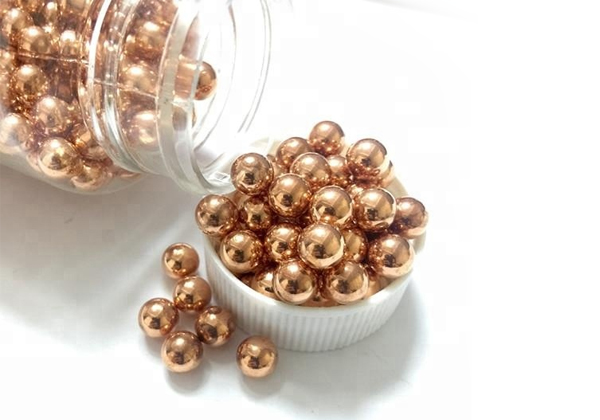
Türkiye İçin Hassas Tungsten Karbür Bilya Rehberi
Türkiye’de rulman, vana, debimetre, pompa, ölçüm cihazı ve aşınmaya dayanıklı hassas parça üretimi yapan firmalar için tungsten karbür bilya seçimi yalnızca çap seçmekten ibaret değildir. Doğru karar; karbür kalitesi, kobalt oranı, tane boyutu, hassasiyet sınıfı, yüzey pürüzlülüğü, yuvarlaklık, sertlik, yoğunluk, mikroyapı, parti izlenebilirliği ve tedarikçinin kalite sürekliliği birlikte değerlendirilerek verilir. Özellikle İstanbul, Kocaeli, Bursa, İzmir, Konya, Ankara, Eskişehir ve Manisa gibi sanayi merkezlerinde üretim yapan firmalar için küçük bir ölçü sapması bile montaj verimini, sızdırmazlığı, akış doğruluğunu veya test cihazı kalibrasyonunu doğrudan etkileyebilir.Genel bir hızlı seçim yapılacaksa, yüksek aşınma direnci ve iyi darbe dayanımı istenen uygulamalarda YG6 ve YG8 yaygın seçeneklerdir. Daha ince tane yapısı ve daha iyi yüzey kalitesi gereken hassas uygulamalarda YG6X tercih edilebilir. Çok yüksek hassasiyetli ölçüm veya sızdırmazlık yüzeyi gerektiren parçalar için G5, G10 veya G16 gibi daha dar toleranslı sınıflar değerlendirilir. Daha genel endüstriyel kullanımlar, karıştırma, öğütme, bazı vana uygulamaları veya maliyetin daha kritik olduğu projelerde G40, G60 ya da G100 sınıfları yeterli olabilir.Toptan satın alma yaparken yalnızca birim fiyat karşılaştırması yapmak risklidir. Aynı çapta iki bilya arasında görünürde fark olmasa bile mikroyapıdaki gözeneklilik, bağlayıcı faz dağılımı, yüzey kusurları veya gerçek tolerans değerleri kullanım ömrünü ciddi biçimde değiştirebilir. Bu nedenle Türkiye pazarına çalışan alıcılar, her parti için ölçüm raporu, malzeme sertifikası, sertlik ve yoğunluk sonucu, yüzey kontrol kaydı ve gerektiğinde mikroyapı fotoğrafı talep etmelidir. İstanbul Ambarlı Limanı, Kocaeli Derince, İzmir Aliağa ve Mersin gibi lojistik noktalarına düzenli sevkiyat planlayan firmalar için ambalaj standardı ve parti etiketleme sistemi de kalite kadar önemlidir.SDBALLS Industry Corp, 1996 yılından bu yana hassas bilya üretiminde deneyim kazanmış, çelik bilya üretimindeki güçlü altyapısını çok malzemeli küresel parça tedarik hizmetleriyle tamamlayan bir üretim ve tedarik ortağıdır. Firma; karbon çelik, krom çelik ve paslanmaz çelik bilyalarda geniş kalite aralığı sunarken, müşterilerin tungsten karbür, seramik, cam, plastik, bakır ve alüminyum gibi farklı bilya ihtiyaçlarını da tek tedarik zinciri üzerinden yönetmesine yardımcı olur. Türkiye’deki üreticiler için bu yaklaşım, farklı tedarikçilerden ayrı ayrı satın alma yapmak yerine teknik şartname, kalite kontrol, paketleme ve teslimat süreçlerini tek merkezde birleştirme avantajı sağlayabilir.Tungsten karbür bilyalar, esas olarak tungsten karbür sert fazı ile kobalt gibi metal bağlayıcı fazın sinterlenmesiyle üretilir. Bu yapı, çelik bilyalara göre çok daha yüksek sertlik, yüksek basma dayanımı ve aşınma direnci sağlar. Ancak her tungsten karbür bilya aynı değildir. YG6, YG8 ve YG6X gibi kalite adları genellikle bağlayıcı oranı, tane boyutu ve mekanik davranış hakkında bilgi verir. Uygulama koşulları; darbe, kayma, dönme, sıkıştırma, korozyon, sıcaklık ve yüzey teması yönünden analiz edilmeden kalite seçimi yapılmamalıdır.YG6, yaklaşık yüzde 6 kobalt içeriğiyle dengeli bir sertlik ve aşınma direnci sunar. Yüksek yüzey dayanımı gereken, ancak darbe yükünün çok aşırı olmadığı uygulamalarda kullanılır. YG8 ise yaklaşık yüzde 8 kobalt içeriği sayesinde YG6’ya göre daha tok davranır. Darbe ve titreşim bulunan ortamlarda avantaj sağlar; buna karşılık sertlik ve aşınma direnci bazı koşullarda YG6’ya göre biraz daha düşük olabilir. YG6X ise daha ince tane yapısıyla daha iyi yüzey kalitesi, daha homojen mikroyapı ve hassas parçalarda daha kararlı performans sağlayabilir.Özel alaşım bileşimleri, standart YG kalitelerinin yeterli olmadığı projelerde gündeme gelir. Örneğin deniz suyu, kimyasal akışkan, yakıt sistemi veya agresif yağ katkılarıyla temas eden uygulamalarda nikel bağlayıcılı tungsten karbür seçenekleri istenebilir. Yüksek sıcaklık veya manyetik özelliklerin sınırlanması gereken projelerde de farklı bağlayıcı sistemleri gündeme gelir. Türkiye’de savunma, otomotiv yan sanayi, beyaz eşya, madencilik, petrol-gaz ekipmanları ve hassas ölçüm cihazları üreten firmalar için özel bileşim, standart stok ürünlerden daha yüksek başlangıç maliyeti oluştursa da uzun vadede duruş süresini ve bakım maliyetini azaltabilir.Karbür kalitesiTipik özellikAvantajSınırlamaUygun kullanımKarşılaştırmaYG6Yüksek sertlik, dengeli kobalt oranıAşınmaya karşı güçlü dirençAşırı darbede YG8 kadar tok değildirVana, ölçüm elemanı, hassas temas yüzeyiYG6 ile YG8 karşılaştırıldığında YG6 daha serttirYG8Daha yüksek bağlayıcı oranıDarbe ve titreşime daha dayanıklıdırAşınma direnci YG6’ya göre bir miktar düşebilirPompa, madencilik ekipmanı, ağır hizmet parçasıYG8 ile YG6 karşılaştırıldığında YG8 daha tok yapıdadırYG6Xİnce taneli yapıYüzey kalitesi ve ölçü kararlılığı iyidirMaliyet standart kaliteye göre artabilirHassas rulman, debimetre, sertlik test cihazıYG6X ile YG6 karşılaştırıldığında YG6X daha ince mikroyapı sunarNikel bağlayıcılı kaliteKorozyona daha uyumlu yapıKimyasal ortamlarda avantaj sağlayabilirHer uygulamada stok bulunmayabilirKimyasal vana, denizcilik ekipmanıKobalt bağlayıcıya göre korozyon direnci daha iyi olabilirÖzel ince taneli kaliteDaha homojen tane dağılımıYüksek hassasiyetli yüzeylerde iyi sonuç verirÜretim süresi daha uzun olabilirKalibrasyon, ölçüm, hassas sızdırmazlıkStandart kaliteye göre yüzey performansı yüksektirYüksek tokluklu özel kaliteBağlayıcı faz optimize edilirÇatlama riskini azaltırSertlikten bir miktar ödün verilebilirDarbeli valf, ağır hizmet akış kontrolüYüksek sertlikli kaliteye göre darbe dayanımı üstündürBu tablo, seçim sürecinde ilk filtreleme için kullanılabilir. Ancak nihai seçimde numune testi yapılması önemlidir. Aynı YG8 adıyla satılan iki ürün arasında tane boyutu, safsızlık oranı, sinterleme kalitesi ve taşlama hassasiyeti farklı olabilir. Bu yüzden teknik resim ve kullanım koşulları tedarikçiye net aktarılmalı; yalnızca kalite adıyla sipariş verilmemelidir.Hassasiyet sınıfı, bilyanın çap sapması, küresellik, yüzey pürüzlülüğü ve parti içi ölçü dağılımı hakkında bilgi veren kritik bir göstergedir. G5, G10, G16, G20, G40, G60 ve G100 gibi sınıflar, uygulamanın ne kadar hassas bilya gerektirdiğini belirlemek için kullanılır. Daha küçük sayı, genellikle daha dar tolerans ve daha yüksek hassasiyet anlamına gelir. Ancak her uygulamada en yüksek hassasiyeti seçmek doğru değildir; çünkü yüksek hassasiyet maliyet, üretim süresi ve kontrol yoğunluğunu artırır.Türkiye’de otomotiv tedarik sanayisi ve rulman üreticileri genellikle daha dar toleranslı ürünlere ihtiyaç duyar. Bursa, Kocaeli, Sakarya ve Manisa’daki üreticiler için seri montajda ölçü kararlılığı doğrudan hat verimliliğini etkiler. Vana üreticilerinde ise sızdırmazlık yüzeyi ve akışkan tipi belirleyici olur. İzmir, İstanbul ve Konya’da endüstriyel vana, hidrolik ve pnömatik ekipman üreten firmalar, bilyanın yüzey kusursuzluğuna özellikle dikkat etmelidir. Sertlik test cihazları ve kalibrasyon parçalarında ise G5 veya G10 gibi sınıflar daha güvenli seçeneklerdir.Hassasiyet sınıfıTolerans yaklaşımıTipik uygulamaAvantajMaliyet etkisiKarşılaştırmaG5Çok dar toleransKalibrasyon, sertlik test cihazı, hassas ölçümEn yüksek ölçü kararlılığıEn yüksek maliyet grubuG5 ile G10 karşılaştırıldığında G5 daha hassastırG10Yüksek hassasiyetHassas rulman, debimetre, özel vanaİyi yüzey ve yuvarlaklıkYüksek fakat yönetilebilirG10 ile G16 karşılaştırıldığında daha dar tolerans sunarG16Hassas endüstriyel seviyeRulman, akış kontrol, ölçüm mekanizmasıPerformans ve maliyet dengesiOrta-yüksekG16 ile G40 karşılaştırıldığında daha iyi montaj kararlılığı sağlarG20Kontrollü hassasiyetVana, pompa, genel hassas parçaSeri üretime uygundurOrtaG20 ile G10 karşılaştırıldığında maliyet avantajı sağlarG40Genel endüstriyel toleransAşınma parçası, karıştırma, destek elemanıEkonomik ve erişilebilirDaha düşükG40 ile G100 karşılaştırıldığında daha kontrollüdürG60Daha geniş toleransGenel mekanik kullanımUygun maliyetDüşükG60 ile G20 karşılaştırıldığında hassasiyet daha düşüktürG100Geniş toleranslı seviyeÖğütme, düşük hassasiyetli aşınma uygulamasıBüyük hacimli alımlarda ekonomiktirEn düşük gruplardan biriG100 ile G5 karşılaştırıldığında maliyet düşük, hassasiyet sınırlıdırHassasiyet sınıfı seçerken sadece teknik şartnameye değil, nihai ürünün saha koşullarına da bakılmalıdır. Örneğin bir debimetrede bilyanın çap sapması akış ölçüm doğruluğunu etkileyebilir. Bir çek valfte yüzey hatası sızdırmazlık problemlerine yol açabilir. Bir rulman sisteminde yuvarlaklık hatası titreşim ve gürültü oluşturabilir. Bu nedenle tedarikçiyle görüşürken hedef tolerans, ölçüm yöntemi, numune kabul kriteri ve seri üretim kontrol planı birlikte belirlenmelidir.Türkiye’ye tungsten karbür bilya tedarik eden firmalar arasında kalite farkı önemli olabilir. Bir tedarikçi ilk numunede iyi sonuç verip seri sevkiyatta tutarsız ürün gönderebilir. Bu nedenle tedarikçi doğrulama süreci sadece fiyat teklifi almakla sınırlı kalmamalıdır. Firmanın üretim veya kaynak yönetim kabiliyeti, kalite kontrol altyapısı, sertifika geçerliliği, parti izlenebilirliği, ambalaj standardı, ihracat deneyimi ve teknik iletişim hızı değerlendirilmelidir.İyi bir tedarikçi; çap, sınıf, malzeme kalitesi, sertlik, yoğunluk, yüzey pürüzlülüğü ve adet miktarını açıkça doğrular. Ayrıca malzeme partisi, kontrol tarihi, ölçüm cihazı bilgisi ve kabul kriterlerini gösteren rapor sunabilir. Hassas ürünlerde yalnızca genel uygunluk beyanı yeterli değildir. Özellikle G5, G10 ve G16 sınıflarında ölçüm verilerinin parti bazında paylaşılması beklenmelidir. Büyük hacimli alımlarda, ilk siparişten önce numune onayı ve mümkünse küçük pilot parti alınması önerilir.SDBALLS, kalite yönetimi açısından IATF 16949, ISO 9001 ve ISO 14001 gibi sistemlerle çalışan bir üretim kültürüne sahiptir. Bu yapı, yalnızca kendi çelik bilya üretiminde değil, entegre tedarik projelerinde de düzenli kontrol, belge yönetimi ve müşteri gereksinimlerinin kayıt altına alınması açısından önemlidir. Türkiye’de otomotiv, makine ve hassas ekipman üreticileri için uluslararası kalite sistemlerine alışkın bir tedarikçiyle çalışmak, denetim ve onay süreçlerini kolaylaştırabilir. Kalite altyapısı hakkında daha fazla bilgi almak isteyen alıcılar firmanın kalite ve teknik kontrol sayfasını inceleyebilir.Doğrulama başlığıSorulması gereken soruGüçlü tedarikçi göstergesiRisk işaretiTürkiye alıcısı için önemKarşılaştırmaSertifikalarKalite belgeleri güncel mi?Geçerli sistem belgeleri ve izlenebilir kayıtlarBelge paylaşmaktan kaçınmaOtomotiv ve ihracat projelerinde gereklidirBelgeli tedarikçi, belgesiz tedarikçiye göre daha denetlenebilirdirÖlçüm raporuParti bazında ölçüm sonucu veriliyor mu?Çap, yuvarlaklık ve yüzey verisi paylaşılırSadece sözlü onayMontaj firelerini azaltırRaporlu sevkiyat, raporsuz sevkiyata göre daha güvenlidirMalzeme doğrulamaSertlik ve yoğunluk kontrolü yapılıyor mu?Test sonuçları partiyle eşleştirilirMalzeme adı dışında veri yokturSaha ömrü için kritiktirTest edilmiş ürün, yalnızca etiketlenmiş ürüne göre daha güvenilirdirNumune süreciSeri üretim öncesi numune sağlanıyor mu?Numune ve pilot parti sunulurDoğrudan büyük sipariş baskısıYeni projede riski azaltırNumuneli onay, doğrudan alıma göre daha kontrollüdürAmbalajUzun taşıma için koruma yeterli mi?Parti etiketli, nem ve darbe korumalı paketKarışık veya etiketsiz ambalajLiman ve depo süreçlerinde karışmayı önlerEtiketli ambalaj, dökme ambalaja göre izlenebilirdirİletişimTeknik sorulara hızlı yanıt veriliyor mu?Çizim ve şartname üzerinden net değerlendirmeBelirsiz ve genel yanıtlarZaman farkını ve proje gecikmesini azaltırTeknik ekipli tedarikçi, yalnızca ticari aracıya göre avantajlıdırYerel tedarikçi arayışında İstanbul Perpa, İkitelli, Tuzla, Bursa NOSAB, Konya Organize Sanayi ve İzmir Kemalpaşa gibi sanayi bölgelerinde stokçu veya ithalatçı bulunabilir. Ancak tungsten karbür bilyalarda gerçek kalite farkı çoğu zaman üretici ve parti kontrol seviyesinde ortaya çıkar. Yerel stok hızlı teslimat sağlayabilir; doğrudan üretici veya entegre tedarik ortağı ise özel çap, özel kalite, rapor ve uzun vadeli fiyat istikrarında avantaj sunabilir. En iyi çözüm, acil ihtiyaçlar için yerel güvenilir stokları, planlı üretim için ise doğrulanmış uluslararası tedarik zincirini birlikte kullanmaktır.Tungsten karbür bilya fiyatı; çap, kalite, hassasiyet sınıfı, yüzey kalitesi, parti miktarı, özel test gereksinimi, ambalaj, teslim şekli ve döviz koşullarına göre değişir. Türkiye’de ithalat yapan firmalar için ürün fiyatının yanında navlun, sigorta, gümrük, iç nakliye, banka masrafı, stok maliyeti ve teslim süresi de toplam maliyete eklenmelidir. Bu nedenle satın alma ekibi yalnızca kilogram veya adet fiyatına bakmamalı; toplam sahip olma maliyetini hesaplamalıdır.Asgari sipariş miktarı, stok ürünlerde daha düşük olabilirken özel çap, özel kalite veya G5 gibi yüksek hassasiyetli üretimlerde artabilir. Küçük çaplı bilyalarda adet çok yüksek olsa da toplam ağırlık düşük olabilir; büyük çaplarda ise adet az olsa bile maliyet ve ağırlık hızla yükselir. Toptan alımlarda fiyat kademesi genellikle numune, küçük parti, standart toptan parti, yıllık sözleşme ve proje bazlı büyük hacim olarak ilerler.Alım seviyesiTipik amaçFiyat davranışıAvantajDikkat edilmesi gerekenKarşılaştırmaNumune alımıTeknik doğrulamaBirim fiyat yüksektirRisk düşük başlarNumune seri üretimi temsil etmelidirNumune, doğrudan büyük siparişe göre daha güvenlidirKüçük partiİlk montaj ve pilot üretimFiyat orta-yüksek olabilirGerçek üretim koşulu test edilirParti raporu istenmelidirKüçük parti, numuneye göre daha gerçekçi sonuç verirStandart toptan partiDüzenli üretimDaha dengeli fiyatStok planlama kolaylaşırDepolama koşulu kontrol edilmelidirToptan parti, küçük partiye göre birim maliyeti düşürürYıllık anlaşmaSürekli tüketimİndirim ve fiyat istikrarı sağlarTedarik güvenliği artarTahmini tüketim doğru hesaplanmalıdırYıllık anlaşma, tek seferlik alıma göre planlama avantajı verirProje bazlı hacimBüyük ölçekli üretimEn güçlü indirim potansiyeliÖzel üretim planı yapılabilirTeknik değişiklikler erken bildirilmelidirProje hacmi, standart alıma göre özel fiyat sağlayabilirKonsolide satın almaFarklı malzemeleri birleştirmeToplam lojistik maliyeti düşerTek sevkiyat ve tek takipÜrün grupları ayrı etiketlenmelidirKonsolide alım, dağınık alıma göre yönetim kolaylığı sağlarFiyat teklifi isterken teknik belirsizlik bırakılmamalıdır. “Tungsten karbür bilya fiyatı” sorusu tek başına yeterli değildir. Çap, kalite, hassasiyet sınıfı, miktar, kullanım alanı, istenen sertifika, paketleme türü ve teslim limanı açıkça belirtilmelidir. Türkiye için teslimat planında Şanghay veya Qingdao çıkışından İstanbul, İzmir, Mersin ya da Kocaeli limanlarına deniz yolu; acil küçük miktarlarda ise hava kargo değerlendirilebilir. Ancak hava kargo birim maliyeti artıracağından yalnızca kritik numune veya acil duruş risklerinde mantıklıdır.2026’ya doğru fiyatlandırmada sürdürülebilir üretim, enerji maliyeti, karbon ayak izi raporlaması, geri dönüştürülmüş tungsten hammaddesi ve tedarik zinciri şeffaflığı daha belirleyici olacaktır. Avrupa Birliği ile yoğun ticaret yapan Türk üreticileri, yalnızca uygun fiyatlı ürün değil, çevresel ve sosyal uygunluğu daha iyi belgelenen ürün talep etmeye başlayacaktır. Bu durum, düşük maliyetli fakat belgesiz tedarikçiler yerine izlenebilir kalite sistemine sahip üreticilerin önemini artıracaktır.Tungsten karbür bilyalarda kaliteyi doğrulamanın en güvenilir yolu, malzeme testlerini ölçü kontrolüyle birlikte değerlendirmektir. Sertlik testi, bilyanın aşınmaya karşı direnci hakkında temel bilgi verir. Yoğunluk ölçümü, malzeme bileşimi ve sinterleme kalitesi hakkında ipucu sağlar. Mikroyapı incelemesi ise tane boyutu, gözeneklilik, bağlayıcı dağılımı ve olası iç kusurları ortaya çıkarır. Bu üç unsur bir arada değerlendirildiğinde ürünün sadece görünüşte değil, yapı olarak da uygun olup olmadığı anlaşılır.Sertlik değeri yüksek olan her ürün otomatik olarak en iyi seçim değildir. Çok yüksek sertlik, bazı darbeli uygulamalarda kırılganlık riskini artırabilir. Buna karşılık düşük sertlik, aşınma ömrünü kısaltabilir. Bu nedenle sertlik hedefi uygulamanın gerçek yük durumuna göre belirlenmelidir. Vana sızdırmazlık elemanlarında yüzey dayanımı öne çıkarken, darbeli akış veya titreşimli mekanizmalarda tokluk da önem kazanır.Yoğunluk ölçümü, sahte veya hatalı malzemeleri ayırt etmek için etkili bir yöntemdir. Tungsten karbür yüksek yoğunluğa sahip olduğu için beklenen aralığın dışındaki değerler bileşim, porozite veya yanlış malzeme riski gösterebilir. Mikroyapı kontrolü ise özellikle kritik projelerde gereklidir. İnce tane yapısı istenen bir YG6X üründe iri tane kümelenmeleri varsa, bilya yüzey performansı ve yorulma direnci beklenen seviyeye ulaşmayabilir.Test türüNe ölçer?Neden önemlidir?Uygun olduğu aşamaRisk tespitiKarşılaştırmaSertlik testiYüzey ve malzeme sertliğiAşınma direncini gösterirNumune ve seri partiYanlış kalite veya yetersiz sinterlemeSertlik testi, yalnızca görsel kontrole göre daha güvenilirdirYoğunluk testiBirim hacimde kütleBileşim ve boşluk riski hakkında bilgi verirGiriş kalite kontrolPorozite veya malzeme karışıklığıYoğunluk testi, etiket bilgisine göre daha objektiftirMikroyapı incelemesiTane ve bağlayıcı dağılımıUzun ömür performansını etkilerKritik onay süreciGözenek, iri tane, homojensizlikMikroyapı kontrolü, sertlik testinden daha derin analiz sağlarÇap ölçümüNominal ölçüye uygunlukMontaj ve sızdırmazlık için gereklidirHer partiÖlçü sapmasıÇap ölçümü, genel kalite beyanına göre daha nettirYuvarlaklık kontrolüKüresel şekil doğruluğuTitreşim ve kaçak riskini azaltırHassas sınıflarDönme düzensizliğiYuvarlaklık kontrolü, sadece çap kontrolünden daha hassastırYüzey incelemesiÇizik, çukur, leke ve pürüzSızdırmazlık ve sürtünme davranışını etkilerSon kontrolYüzey kusuruYüzey incelemesi, paketleme öncesi son güvence sağlarTürkiye’deki alıcılar, kritik projelerde bağımsız laboratuvar kontrolünü de değerlendirebilir. Özellikle yeni tedarikçiyle çalışırken ilk sevkiyattan alınan rastgele numunelerin yerel laboratuvarda sertlik ve yoğunluk açısından doğrulanması güven verir. Ancak asıl hedef, her partide dış test yaptırmak değil, tedarikçinin kendi kalite sisteminin güvenilirliğini kanıtlamasıdır. Bu nedenle satın alma sözleşmesine kontrol raporu, numune saklama, parti izlenebilirliği ve uygunsuzluk durumunda çözüm süresi gibi maddeler eklenmelidir.Standart çaplar birçok uygulama için yeterli olsa da bazı tasarımlar özel ölçü gerektirir. OEM projelerde bilyanın çapı, toleransı, yüzey kalitesi, malzeme kalitesi ve kaplama ihtiyacı teknik resme göre belirlenir. Özellikle debimetre, özel vana, medikal olmayan hassas mekanizma, savunma sanayi ekipmanı, otomotiv yakıt sistemi, kalıp aparatı veya aşınma dirençli ölçüm mekanizmasında standart katalog ürünü her zaman ideal çözüm olmayabilir.Özel ölçü taleplerinde alıcı, nominal çapı, kabul edilebilir üst-alt toleransı, kalite sınıfını, kullanım sıcaklığını, temas ettiği akışkanı, çalışma yükünü ve hedef ömrü bildirmelidir. Eğer mevcut parçada sorun yaşanıyorsa, aşınma fotoğrafları ve arıza açıklaması tedarikçiye iletilmelidir. Böylece yalnızca aynı parçayı üretmek yerine, daha uygun kalite veya yüzey çözümü önerilebilir.Özel kaplama konusu dikkatle ele alınmalıdır. Tungsten karbür zaten yüksek aşınma direncine sahip bir malzemedir; her durumda kaplama gerekli değildir. Ancak sürtünme katsayısını düşürmek, korozyon direncini artırmak, yapışmayı azaltmak veya belirli kimyasal ortama uyum sağlamak için özel yüzey işlemleri değerlendirilebilir. Kaplama seçimi yapılırken kaplama kalınlığı, yüzeye tutunma, çalışma sıcaklığı ve kaplamanın ölçü toleransına etkisi mutlaka hesaplanmalıdır.SDBALLS’ın hizmet kabiliyeti, müşterilerin yalnızca standart bilya değil, farklı malzeme ve özel gereksinimlerde tedarik çözümü almasına yöneliktir. Firma, kendi güçlü üretim altyapısının yanında çok malzemeli küresel parça tedarikinde de destek sunarak alıcının proje yönetimini kolaylaştırır. Ürün grupları ve tedarik kapsamı hakkında bilgi almak isteyen firmalar ürün seçenekleri sayfasını inceleyebilir. Bu yaklaşım, Türkiye’de farklı üretim hatları için çelik, paslanmaz, seramik veya tungsten karbür bilya ihtiyacını birlikte yöneten alıcılar açısından pratiktir.OEM projelerde en sık yapılan hata, yalnızca teknik resimdeki çap değerini göndermektir. Oysa bilya performansı; yüzey kalitesi, parti dağılımı, malzeme yapısı ve çalışma ortamıyla birlikte değerlendirilir. Örneğin bir akış kontrol sisteminde bilya kimyasal sıvıyla temas ediyorsa korozyon davranışı; kuru sürtünmeli bir mekanizmada ise yüzey pürüzlülüğü daha kritik olabilir. Bu nedenle proje başlangıcında teknik toplantı yapılması, ileride maliyetli revizyonların önüne geçer.Tungsten karbür bilyalar, yüksek sertlik ve aşınma direnci sayesinde birçok sektörde kullanılır. Rulman uygulamalarında düşük deformasyon, yüksek basma dayanımı ve uzun ömür hedeflenir. Vanalarda sızdırmazlık, korozyon koşulları ve yüzey kalitesi öne çıkar. Debimetrelerde ölçüm tekrarlanabilirliği ve akışa karşı stabil davranış gerekir. Sertlik test cihazlarında ise bilyanın kendi sertlik kararlılığı ve geometrik doğruluğu ölçüm sonucunu doğrudan etkiler.Türkiye’de rulman ve hareket sistemleri pazarı, otomotiv, beyaz eşya, makine imalatı ve tarım ekipmanlarıyla yakından ilişkilidir. Bursa, Sakarya, Kocaeli ve Eskişehir otomotiv odaklı talep oluştururken, Konya ve Kayseri makine ve ekipman üretiminde önemli merkezlerdir. Vana ve akış kontrol ürünlerinde İstanbul, İzmir, Kocaeli ve Ankara’da yoğunlaşan üreticiler bulunur. Bu firmalar için tungsten karbür bilya, özellikle yüksek basınç, yüksek aşınma veya agresif akışkan koşullarında tercih edilir.Debimetre üreticileri ve bakım firmaları için bilya kalitesi ölçüm güvenilirliğini etkileyebilir. Akış yolunda çalışan bir bilya, yüzey pürüzü veya ölçü sapması nedeniyle beklenmeyen direnç oluşturabilir. Sertlik test cihazlarında ise standart dışı bilya kullanımı, malzeme sertliği ölçümlerinin hatalı çıkmasına yol açar. Bu nedenle test ekipmanı ve kalibrasyon uygulamalarında tedarikçi raporları özellikle önemlidir.SektörTemel ihtiyaçÖnerilen yaklaşımKritik kalite noktasıYerel örnekKarşılaştırmaRulmanDüşük titreşim ve uzun ömürG5-G16 arası hassas sınıf değerlendirilirYuvarlaklık ve yüzey pürüzlülüğüBursa ve Kocaeli otomotiv tedarikçileriHassas sınıf, genel sınıfa göre daha stabil çalışma sağlarVanaSızdırmazlık ve basınca dayanımYG6 veya YG8 uygulamaya göre seçilirYüzey kusursuzluğuİstanbul ve İzmir vana üreticileriYG8 darbede, YG6 aşınmada avantaj sağlayabilirDebimetreÖlçüm tekrarlanabilirliğiDar toleranslı bilya tercih edilirÇap sapması ve yüzey kalitesiAnkara ve Kocaeli ölçüm sistemi firmalarıG10, G40’a göre ölçüm kararlılığında üstündürSertlik test cihazıKalibrasyon güvenilirliğiYüksek hassasiyet ve raporlu parti gerekirSertlik ve çap doğruluğuLaboratuvar ve kalite kontrol merkezleriRaporlu bilya, standart stok bilyaya göre daha güvenlidirPompaAşınma ve akış dayanımıTokluk ve sertlik dengesi aranırMalzeme kalitesiKonya ve İzmir endüstriyel pompa üreticileriÖzel kalite, standart kaliteye göre ömür avantajı verebilirMadencilikAğır aşınma koşuluYüksek tokluklu karbür seçilirÇatlama direnciZonguldak, Soma ve İç Anadolu sahalarıTok kalite, aşırı sert kaliteye göre kırılma riskini azaltırUygulama seçimi yapılırken ürünün gerçek çalışma koşulları sahadan alınan verilerle desteklenmelidir. Kağıt üzerindeki en iyi malzeme, eğer yanlış tolerans veya yanlış yüzey kalitesiyle tedarik edilirse beklenen sonucu vermeyebilir. Bu nedenle mühendislik, satın alma ve kalite ekipleri aynı teknik dosya üzerinden ilerlemelidir. SDBALLS’ın uygulama deneyimlerine ilişkin genel ürün kullanım alanları için uygulama alanları bölümüne bakılabilir.SDBALLS Industry Corp, Shandong merkezli, 1996’dan bu yana hassas bilya üretimi ve küresel tedarik hizmetleri sunan deneyimli bir sanayi kuruluşudur. Firma, üç üretim tesisi ve yıllık 5.000 tonu aşan kapasitesiyle karbon çelik, krom çelik ve paslanmaz çelik bilya üretiminde güçlü bir altyapıya sahiptir. Bu üretim tecrübesi, ölçü kontrolü, taşlama, parlatma, sınıflandırma, parti yönetimi ve ihracat ambalajı gibi konularda önemli bir birikim oluşturur.Teknolojik kabiliyetler açısından SDBALLS, hassas bilya üretiminde ölçüm ve kalite kontrol süreçlerini sistematik biçimde yönetir. Çap, yüzey, sınıf, sertlik ve parti tutarlılığı gibi parametreler müşteri gereksinimlerine göre değerlendirilir. Çelik bilya üretimindeki bu disiplin, tungsten karbür gibi farklı malzemeler için tedarik çözümü oluştururken de teknik şartname okuma, uygun kaliteyi belirleme ve sevkiyat öncesi kontrol planı hazırlama açısından katkı sağlar.Üretim kabiliyetleri bakımından firma, G10’dan G1000’e kadar farklı sınıflarda çelik bilyalar üretir ve otomotiv, rulman, hareket sistemleri, genel donanım, taşlama ve dış mekan uygulamaları gibi sektörlere hizmet verir. Ayrıca kurşunsuz çelik saçma çözümleriyle avcılık ve dış mekan pazarlarında da faaliyet gösterir. Tungsten karbür bilya ihtiyacı olan müşteriler için SDBALLS, doğrudan üretim bilgisi ve entegre kaynak yönetimini birleştirerek uygun malzeme, ölçü, kalite seviyesi ve kontrol belgesiyle çözüm sunmaya odaklanır.Hizmet kabiliyetleri açısından SDBALLS, elliden fazla ülkeye ihracat deneyimi, küresel satış ekibi ve müşteri odaklı iletişim modeliyle uluslararası alıcıların tedarik süreçlerini kolaylaştırır. Türkiye’deki firmalar için zaman farkı, teknik belge paylaşımı, numune gönderimi, toplu sevkiyat, ürün konsolidasyonu ve satış sonrası iletişim önemli konulardır. Şirket bu alanlarda uzun vadeli iş birliği yaklaşımıyla hareket eder. Kurumsal yapı hakkında ayrıntılı bilgi için SDBALLS kurumsal tanıtım sayfası ziyaret edilebilir.Türkiye pazarı açısından SDBALLS’ın en önemli avantajlarından biri, tek ürün satıcısı gibi değil, entegre tedarik ortağı gibi çalışabilmesidir. Bir üretici aynı projede krom çelik bilya, paslanmaz bilya, tungsten karbür bilya ve seramik bilya kullanıyorsa, ayrı tedarikçilerle çalışmak yerine kalite belgeleri, ambalaj, teslimat ve iletişimi tek yapı üzerinden düzenleyebilir. Bu da satın alma verimliliğini artırır, yanlış ürün riskini azaltır ve uzun vadeli maliyet kontrolüne katkı sağlar.2026 ve sonrasında Türkiye’de sanayi tedarikinde üç eğilim daha belirgin hale gelecektir. Birincisi, yüksek hassasiyetli üretim için daha dar toleranslı ve raporlanabilir parçalar talep edilecektir. İkincisi, sürdürülebilirlik ve karbon ayak izi konuları özellikle Avrupa’ya ihracat yapan Türk firmaları için satın alma kriteri haline gelecektir. Üçüncüsü, tedarik zinciri risklerini azaltmak için stok planlama, çoklu malzeme tedariki ve uzun vadeli fiyat anlaşmaları daha fazla önem kazanacaktır. SDBALLS gibi deneyimli ve sistemli tedarik ortakları, bu dönüşümde alıcıların kalite ve maliyet dengesini korumasına yardımcı olabilir.Tungsten karbür bilya, çelik bilyaya göre çok daha yüksek sertlik ve aşınma direnci sunar. Bu nedenle yüksek basınç, yoğun sürtünme, aşındırıcı ortam veya uzun ömür beklentisi olan uygulamalarda tercih edilir. Çelik bilya ise maliyet, manyetik özellik, işlenebilirlik ve genel kullanım açısından birçok uygulamada yeterlidir. Seçim yapılırken yalnızca dayanım değil, maliyet ve çalışma ortamı da değerlendirilmelidir.Rulman, vana, pompa, debimetre, sertlik test cihazı, otomotiv yan sanayi, madencilik, akış kontrol ekipmanları ve hassas makine imalatı başlıca kullanım alanlarıdır. Bursa, Kocaeli, İstanbul, İzmir, Konya ve Ankara gibi sanayi merkezlerinde bu ürünlere yönelik talep daha yoğundur.Aşınma direnci ve daha yüksek sertlik öncelikliyse YG6 iyi bir başlangıç seçeneğidir. Darbe, titreşim veya daha tok yapı gerekiyorsa YG8 daha uygun olabilir. Ancak nihai karar için çalışma yükü, akışkan tipi, sıcaklık, temas yüzeyi ve beklenen ömür birlikte değerlendirilmelidir.YG6X, daha ince tane yapısı sayesinde hassas yüzey, daha iyi mikroyapı homojenliği ve ölçü kararlılığı istenen uygulamalarda avantaj sağlayabilir. Debimetreler, hassas vanalar, ölçüm elemanları ve yüksek hassasiyetli rulman benzeri uygulamalar için değerlendirilebilir.G5 çok daha dar tolerans ve yüksek hassasiyet anlamına gelirken, G100 daha geniş toleranslı ve ekonomik bir sınıftır. Kalibrasyon, sertlik testi veya hassas rulman gibi uygulamalarda G5-G10 tercih edilebilir. Genel aşınma parçalarında veya düşük hassasiyetli uygulamalarda G40-G100 yeterli olabilir.Kritik uygulamalarda evet, her parti için en azından ölçüm ve malzeme uygunluk raporu istenmelidir. Sertlik, yoğunluk ve gerektiğinde mikroyapı doğrulaması, ürünün gerçek performansını anlamak için önemlidir. Daha az kritik uygulamalarda tedarikçi geçmişi ve kalite istikrarı dikkate alınarak kontrol seviyesi belirlenebilir.Asgari sipariş miktarı çap, kalite, hassasiyet sınıfı, stok durumu ve özel üretim gereksinimine bağlıdır. Standart ürünlerde daha düşük miktarlar mümkün olabilir. Özel çap, özel kaplama veya yüksek hassasiyetli sınıflarda üretim planı nedeniyle daha yüksek miktar istenebilir.Çap, malzeme kalitesi, hassasiyet sınıfı, miktar ve test gereksinimleri fiyatı doğrudan etkiler. Ayrıca navlun, gümrük, ambalaj, teslim şekli ve döviz kuru da Türkiye’ye ithalatta toplam maliyetin önemli parçalarıdır.Acil ihtiyaçlarda yerel stokçu hızlı teslimat sağlayabilir. Ancak özel kalite, büyük hacim, raporlu sevkiyat ve uzun vadeli fiyat istikrarı için doğrudan üretici veya entegre tedarik ortağıyla çalışmak daha avantajlı olabilir. En iyi yöntem, acil stok ve planlı tedariki birlikte yönetmektir.Nominal çap, tolerans, kalite sınıfı, karbür kalitesi, miktar, kullanım ortamı, çalışma sıcaklığı, temas edilen akışkan, beklenen ömür, yüzey pürüzlülüğü ve varsa teknik resim paylaşılmalıdır. Arıza yaşayan mevcut parça varsa fotoğraf ve saha bilgisi de tedarikçiye iletilmelidir.Hayır. Tungsten karbür zaten aşınmaya dayanıklı bir malzemedir. Kaplama yalnızca sürtünmeyi azaltma, kimyasal uyum, korozyon direnci veya özel yüzey davranışı gerekiyorsa düşünülmelidir. Kaplama toleransa ve montaj boşluğuna etki edebileceği için teknik değerlendirme yapılmalıdır.Daha fazla izlenebilirlik, sürdürülebilir hammadde kullanımı, enerji verimli üretim, karbon ayak izi belgeleri, dar toleranslı parçalara talep ve dijital kalite raporlaması öne çıkacaktır. Türkiye’de Avrupa pazarına çalışan üreticiler için bu konular satın alma kararlarında daha belirleyici hale gelecektir.SDBALLS; hassas bilya üretim tecrübesi, kalite yönetim altyapısı, çok malzemeli tedarik kabiliyeti ve ihracat deneyimiyle Türkiye’deki üreticilere teknik şartnameye uygun ürün seçimi, numune süreci, toplu sevkiyat ve uzun vadeli tedarik planlamasında destek olabilir.