
-16.png)
-13.png)
-13.png)
-13.png)
-13.png)
Silindirik ve İğne Makaralar
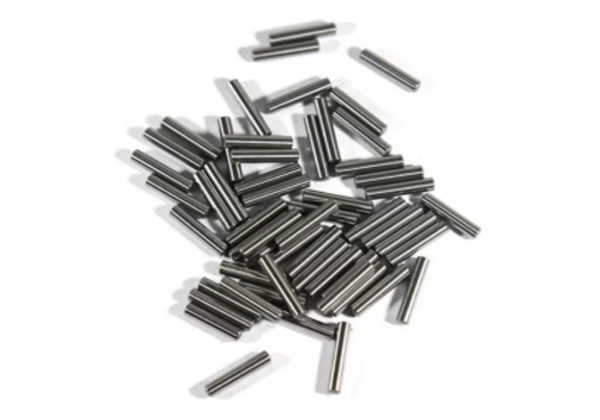
Silindirik ve İğne Makaralar; yatak düzenekleri, doğrusal hareket sistemleri, otomotiv bileşenleri, dişli kutuları, kaydırıcılar ve yüksek radyal yük kapasitesi ile hassas yuvarlanma performansının gerektiği kompakt mekanik yapılarda kullanılan hassas yuvarlanma elemanlarıdır. İğne makaralar, uzunluklarına göre küçük çaplı ve uzun olup, özellikle sınırlı radyal montaj alanına sahip rulman tasarımları için uygundur.
SDBALLS, alıcının çizimi, rulman tasarımı, yük durumu, çalışma hassasiyeti ve uygulama ortamına göre seçilen boyutlar, hassasiyet sınıfları, boşluklar ve makara tipleri ile krom yatak çeliği ve paslanmaz çelik malzemelerden silindirik makaralar ve iğne makaralar tedarik eder.
| Öğe | Önerilen Sayfa İçeriği |
| Ürün Tipi | Silindirik makaralar, iğne makaralar, hassas yatak makaraları, özel yuvarlanma elemanları |
| Malzeme Seçenekleri | AISI 52100 yatak çeliği; uygulama gereksinimlerine göre AISI 304, 316, 420C, 430 ve 440C gibi paslanmaz çelik kaliteleri |
| Hassas Sınıf | Sınıfın belirtildiği rulmanla ilgili düzenekler için P0, P6, P5, P4 |
| Çap / Boyut Referansı | Çizime göre makara çapı ve uzunluğu; orijinal sayfa referans olarak 1 mm-20 mm iç çap, 3 mm-50 mm dış çap ve 0,4 mm-5 mm kalınlık listeler |
| Boşluk / Geçme | C0, C1, C2, C3, C4, C5; rulman tertibatı gereksinimleri ile ilgili olduğunda; çizim ve uygulama koşullarıyla teyit edin |
Bu ürünü paylaşın
Ürün Genel Bakışı
Silindirik ve İğne Makaralar sıradan çelik bilyeler değildir; nokta teması yerine çizgi teması yoluyla yük taşımak üzere tasarlanmış hassas yuvarlanma elemanlarıdır. Bu geometri, kompakt bir tasarım alanı içinde birçok bilyeli yuvarlanma elemanına kıyasla daha yüksek radyal yük kapasitesi sağlar.
İğne makaralar, özellikle radyal alanın sınırlı olduğu durumlarda kullanışlıdır. Küçük çapları ve nispeten uzun boyları, yük taşıma kabiliyetini korurken kompakt bir kesit sağlar. Silindirik makaralar, genellikle kararlı yuvarlanma teması, rijitlik ve yüksek radyal yük desteği gereken yerlerde kullanılır.
Uluslararası alıcılar için kritik satın alma noktaları; malzeme, makara çapı, makara boyu, uç profili, yüzey kalitesi, sertlik, hassasiyet sınıfı, bir tertibatın parçasıysa boşluk gereksinimi ve tutarlı parti kalitesidir. Bu makaralar normalde teknik çizimlere veya onaylanmış numunelere göre fiyatlandırılmalıdır.
Malzeme Seçimi ve Teknik Konumlandırma
Hassas silindirik ve iğne makaralar için en yaygın malzeme, yüksek sertlik, aşınma direnci, yorulma mukavemeti ve ısıl işlem sonrası kararlı yuvarlanma performansı sağladığı için AISI 52100 gibi rulman çeliğidir. Korozyon direnci gerektiğinde paslanmaz çelik makara seçenekleri değerlendirilebilir, ancak kesin kalite; sertlik, korozyon direnci ve çalışma ortamı arasındaki dengeye göre seçilmelidir.
AISI 304 ve 316 paslanmaz çelikler korozyon direnci sağlar ancak yüksek sertlikli rulman malzemeleri değildir. 420C ve 440C gibi martenzitik paslanmaz kaliteler, orta düzeyde korozyon direnciyle birlikte daha yüksek sertlik ve aşınma direnci gerektiğinde daha uygundur. Şiddetli korozyon, yüksek sıcaklık veya manyetik olmayan gereksinimler için, tasarım uygulanabilirliğine bağlı olarak seramik yuvarlanma elemanları da değerlendirilebilir.
Teknik Özellikler
| Parametre | Önerilen Açıklama |
| Makara Geometrisi | Kontrollü çap, boy, yuvarlaklık, doğrusallık, uç geometrisi ve yüzey kalitesine sahip silindirik makaralar ve iğne makaralar |
| Boyut Kontrolü | Çizime, numuneye veya standart rulman spesifikasyonuna göre üretilir; makara çapı ve boyu fiyat teklifinden önce teyit edilmelidir |
| Boşluk Referansı | C0-C5, makaralar rulman tertibatlarının bir parçası olarak veya onlarla eşleştirilerek tedarik edildiğinde geçerlidir; sadece makara teklifleri bunun yerine boyutsal tolerans belirtmelidir |
| Sertlik | Malzeme ve ısıl işleme bağlıdır; AISI 52100 rulman çeliği makaralar, yuvarlanma temas performansı için tipik olarak sertleştirilir |
| Tip / Tasarım Seçenekleri | NRA, NRB, ZB, TR, konik ve çizime dayalı özel makara tipleri; komple rulman tertibatları sipariş edilirken siper/keçe referansları teyit edilmelidir |
| Yüzey İşlemi | Hassasiyet ve uygulama ihtiyaçlarına göre taşlanmış, leplenmiş veya parlatılmış yuvarlanma yüzeyi |
| Dokümantasyon | OEM projeleri için muayene raporları, malzeme teyidi ve numune onayı görüşülebilir |
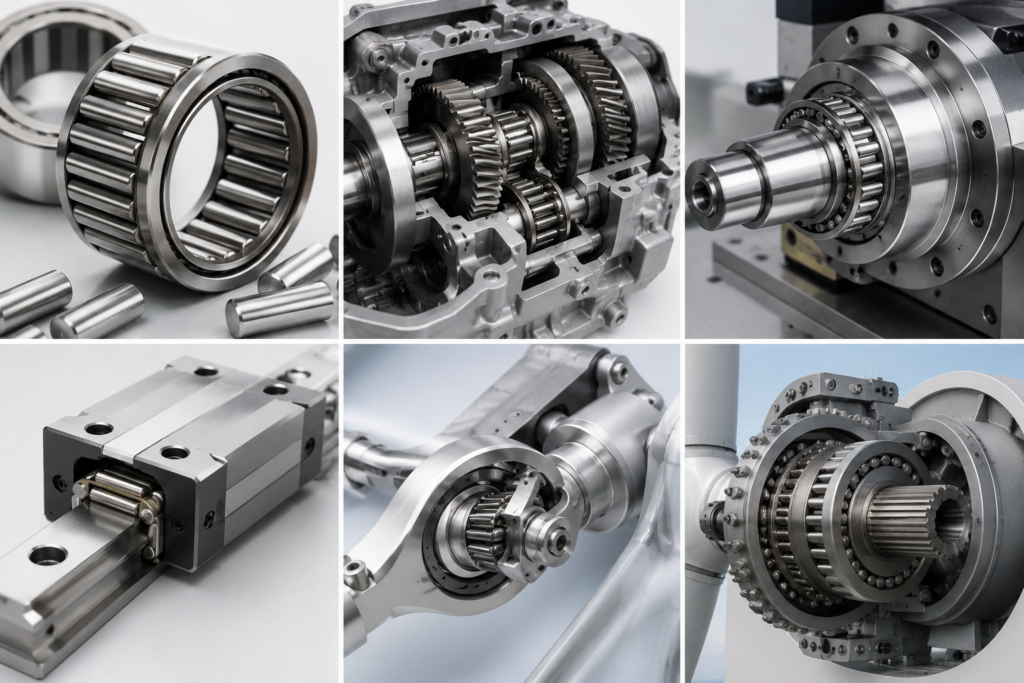
| Tipik Uygulamalar | Rulmanlar, otomotiv bileşenleri, dişli kutuları, takım tezgahları, yüksek hızlı iş milleri, kızaklar, lineer kılavuzlar, havacılık mekanizmaları, rüzgar enerjisi bileşenleri, vibro finisaj ekipmanları |
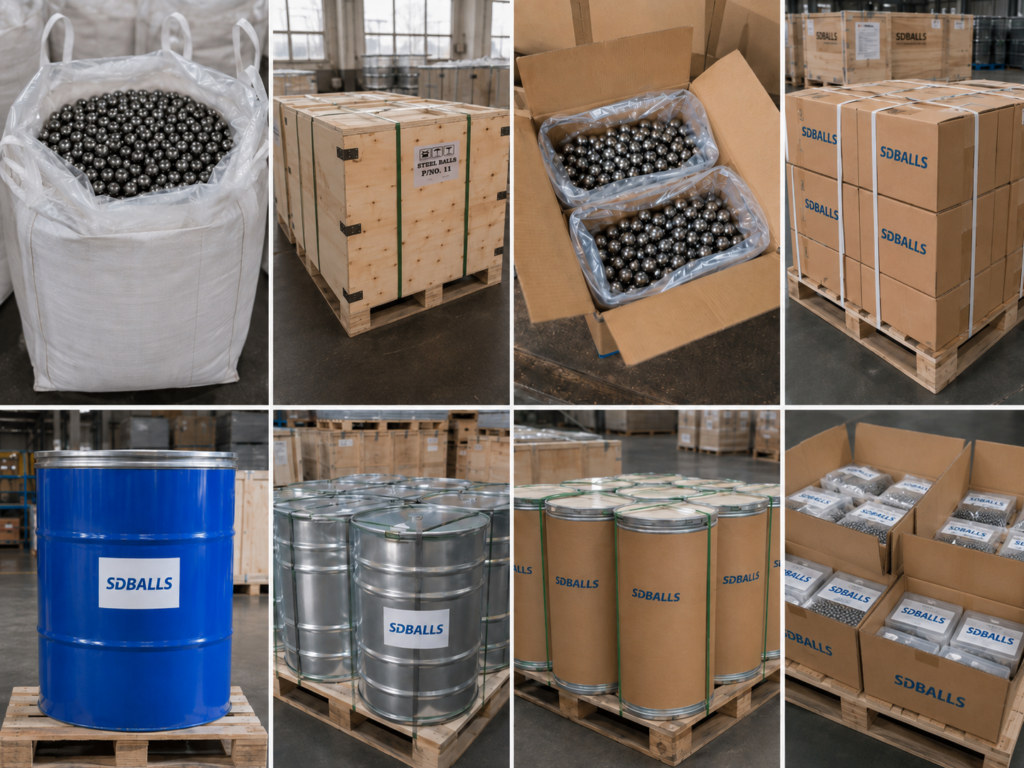
| Paketleme | Dökme ambalaj, plastik torba, karton, tüp, kutu, palet veya boyut/parti etiketlemeli özelleştirilmiş OEM ambalaj |
Uygulamalar ve Uygulama Uygunluğu
| Başvuru | Uygunluk Seviyesi | Alıcı Notu |
| İğne makaralı rulmanlar ve silindirik makaralı rulmanlar | Çok iyi | Hassas yuvarlanma elemanları için temel uygulama; çizim ve tolerans sınıfı teyit edilmelidir. |
| Otomotiv dişli kutuları, şanzımanlar ve kompakt mekanizmalar | Çok iyi | Sınırlı alanda yüksek radyal yük kapasitesi, kompakt mekanik tasarımı destekler. |
| Takım tezgahları ve yüksek hızlı iş mili tertibatları | İyi ila çok iyi | Daha yüksek hassasiyet sınıfı, kontrollü yüzey kalitesi ve sıkı parti tutarlılığı gerektirir. |
| Lineer kılavuzlar, kızaklar ve otomasyon sistemleri | İyi | Düzgün yuvarlanma, rijitlik ve yük dağılımı gereken yerlerde uygundur. |
| Havacılık ve uzay aktüatörleri ve bağlantı mekanizmaları | Projeye bağlı | Sıkı spesifikasyon, izlenebilirlik ve muayene dokümantasyonu gerektirir. |
| Rüzgar enerjisi ve endüstriyel aktarma organı bileşenleri | İyi | Radyal yük kapasitesi ve aşınma direncinin önemli olduğu yerlerde kullanışlıdır. |
| Vibro finisaj ve parlatma ekipmanları | Uygulamaya bağlı | Seçimden önce malzeme, sertlik ve aşınma gereksinimini teyit edin. |
| Korozif veya ıslak ortamlar | Koşullu | Paslanmaz veya diğer korozyona dayanıklı seçenekleri kullanın; rulman çeliği makaralar pas koruması gerektirir. |
Malzeme Seçim Kılavuzu
| Malzeme Seçeneği | Tipik Mukavemet | Kısıtlama | Ne Zaman Tavsiye Edilmeli |
| AISI 52100 rulman çeliği makaralar | Yüksek sertlik, aşınma direnci ve yuvarlanma yorulma performansı | Koruma olmadan korozyona dayanıklı değildir | Genel rulman makaraları, otomotiv montajları, şanzımanlar ve yüksek yüklü yuvarlanma sistemleri |
| AISI 304 / 316 paslanmaz makaralar | Daha iyi korozyon direnci ve temiz görünüm | Sertleştirilmiş rulman çeliklerinden daha düşük sertlik | Yük |
| AISI 420C / 440C paslanmaz makaralar | Orta derecede korozyon direnci ile daha yüksek sertlik | Klorür veya agresif ortamlarda 316'dan daha az korozyona dayanıklıdır | Hem sertlik hem de bir miktar paslanmaz özellik gerektiren uygulamalar |
| Seramik makaralar veya seramik bilyalar | Manyetik olmayan, korozyona dayanıklı ve yüksek sıcaklık seçenekleri | Daha yüksek maliyet ve tasarım incelemesi gereklidir | Metal makaraların uygun olmadığı özel uygulamalar |
Üretim ve Proses Kontrolü
Silindirik ve iğne makara üretimi; malzeme, ham parça şekillendirme, ısıl işlem, taşlama, lepleme, parlatma, tasnif ve muayene süreçlerinde sıkı kontrol gerektirir. Dekoratif veya genel amaçlı silindirik parçalardan farklı olarak, rulman makaraları yuvarlanma temas performansını desteklemek için kontrollü geometri ve yüzey kalitesini korumalıdır.
Önemli proses kontrol noktaları arasında hammadde seçimi, ısıl işlem kararlılığı, çap kontrolü, boy kontrolü, alın yüzeyi kalitesi, yüzey pürüzlülüğü, doğrusallık, yuvarlaklık, görsel görünüm, temizlik ve pas önleyici ambalajlama yer alır.
Kalite Kontrol ve Muayene
Tipik muayene kalemleri arasında makara çapı, boyu, yuvarlaklık, silindiriklik, doğrusallık, alın profili, sertlik, yüzey kalitesi, yüzey görünümü ve ambalaj durumu bulunur. OEM ve rulman sektörü projeleri için SDBALLS; numune onayı, muayene raporları, malzeme sertifikaları, parti izlenebilirliği ve özel etiketleme konularını görüşebilir.
Makara performansı büyük ölçüde eşleşen yuvarlanma yollarına, yağlamaya, hıza, yüke ve montaj hassasiyetine bağlı olduğundan, alıcıların seri üretimden önce çizim, tolerans gereksinimleri ve uygulama koşullarını sağlaması teşvik edilir.
Paketleme Seçenekleri
SDBALLS, silindirik ve iğne makaraları dökme torbalar, plastik poşetler, tüpler, küçük karton kutular, ihracat kartonları, kovalar, variller veya paletli ambalajlarda tedarik edebilir. Hassas makaralar için temiz ambalaj, pas önleyici koruma, boyut etiketi, kalite işaretlemesi ve parti tanımlaması önerilir.
Teklif Almak İçin Nasıl Belirtmelisiniz?
Doğru fiyatlandırma için lütfen şunları onaylayın: ürün tipi, malzeme, makara çapı, makara boyu, hassasiyet sınıfı veya toleransı, sertlik gereksinimi, alın profili, yüzey kalitesi, rulman montajıyla ilgiliyse boşluk gereksinimi, miktar, ambalajlama yöntemi, uygulama, çizim veya numune mevcudiyeti, muayene belgesi gereksinimi, hedef liman ve ticaret terimi.
Teknik SSS
S: Silindirik ve iğneli rulmanlar ne için kullanılır?
C: Bunlar; radyal yük kapasitesi ve çalışma hassasiyetinin önemli olduğu rulmanlar, dişli kutuları, otomotiv bileşenleri, takım tezgahları, kızaklar ve diğer kompakt mekanik sistemlerde kullanılan yuvarlanma elemanlarıdır.
S: Silindirik makaralar ile iğne makaralar arasındaki fark nedir?
C: İğne makaralar, çapları boylarına göre küçük olan silindirik makaralardır; bu da onları özellikle sınırlı radyal alana sahip kompakt rulman tasarımları için uygun hale getirir. Silindirik makaralar daha büyük çap-boy oranına sahip olabilir ve birçok yüksek yüklü rulman sisteminde kullanılır.
S: SDBALLS hangi malzemeleri tedarik edebilir?
C: Yaygın seçenekler arasında AISI 52100 rulman çeliği ve AISI 304, 316, 420C, 430 ve 440C gibi paslanmaz çelik kaliteleri bulunur. Malzeme; yük, aşınma, korozyon ve maliyet gereksinimlerine göre seçilmelidir.
S: Bu makaralar korozyona dayanıklı mıdır?
C: AISI 52100 rulman çeliği makaralar korozyona dayanıklı değildir ve normalde pas önleyici yağ veya kontrollü depolama gerektirir. Paslanmaz seçenekler korozyon direncini artırabilir, ancak kalite seçimi ortamla uyumlu olmalıdır.
S: Hangi hassasiyet dereceleri mevcuttur?
C: Yaygın rulman sınıfları P0, P6, P5 ve P4'ü içerir. Daha yüksek hassasiyet sınıfları, geometri, yüzey kalitesi ve muayenede daha sıkı kontrol gerektirir.
S: Bir çizim sağlamam gerekiyor mu?
C: Evet, çizimler veya numuneler şiddetle önerilir; çünkü makara çapı, boyu, alın geometrisi, tolerans, sertlik ve yüzey kalitesi montaj performansını doğrudan etkiler.
S: SDBALLS özel makaralar tedarik edebilir mi?
C: Evet. SDBALLS, çizime dayalı üretim, OEM ambalajı, karışık boyutlar, özel malzeme seçimi ve muayene dokümantasyonu konularını görüşebilir.
S: Mevcut bir makarayı değiştirmeden önce ne onaylanmalıdır?
C: Lütfen orijinal malzeme, boyutlar, tolerans, sertlik, yüzey kalitesi, uygulama yükü, hız, yağlama, çalışma ortamı ve makaranın standart bir rulman tertibatının parçası olup olmadığını onaylayın.
İlgili Ürünler
Bir Talep Planlayın
Herhangi bir hizmet için bugün bizimle iletişime geçin. (*) İşaretli alanlar zorunludur.