
-16.png)
-13.png)
-13.png)
-13.png)
-13.png)
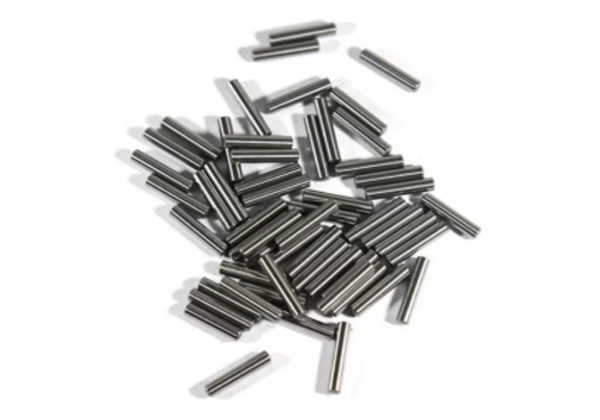
Rolos Cilíndricos e de Agulhas
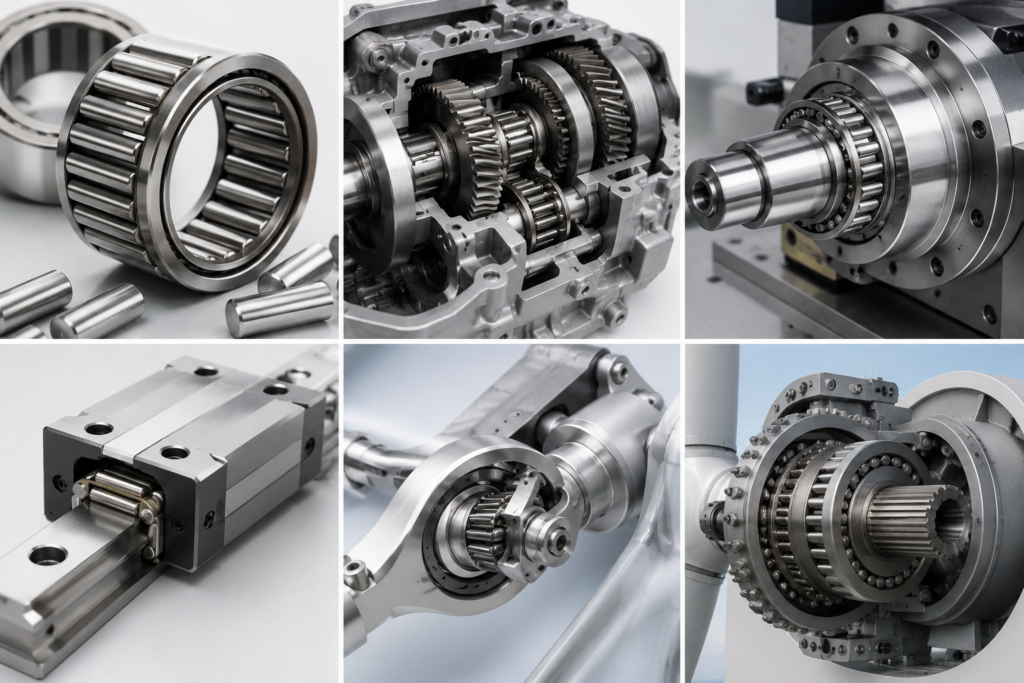
Os Roletes Cilíndricos e de Agulha são elementos rolantes de precisão usados em conjuntos de rolamentos, sistemas de movimento linear, componentes automotivos, caixas de engrenagens, corrediças e estruturas mecânicas compactas onde são necessárias alta capacidade de carga radial e desempenho de rolamento preciso. Os roletes de agulha são longos e de pequeno diâmetro em relação ao seu comprimento, tornando-os especialmente adequados para projetos de rolamentos com espaço de instalação radial limitado.
SDBALLS fornece rolos cilíndricos e agulhas em materiais de aço cromo para rolamentos e aço inoxidável, com tamanhos, classes de precisão, folgas e tipos de rolos selecionados de acordo com o desenho do comprador, projeto do rolamento, condição de carga, precisão de funcionamento e ambiente de aplicação.
| Item | Conteúdo de Página Recomendado |
| Tipo de Produto | Rolos cilíndricos, agulhas, rolos de precisão para rolamentos, elementos rolantes personalizados |
| Opções de materiais | Aço para rolamentos AISI 52100; classes de aço inoxidável como AISI 304, 316, 420C, 430 e 440C, de acordo com os requisitos da aplicação |
| Grau de Precisão | P0, P6, P5, P4 para conjuntos relacionados a rolamentos onde a classe de precisão é especificada |
| Referência de Diâmetro / Tamanho | Diâmetro e comprimento do rolo conforme desenho; a página original lista referência de furo de 1 mm a 20 mm, referência de diâmetro externo de 3 mm a 50 mm e referência de espessura de 0,4 mm a 5 mm |
| Folga / Ajuste | C0, C1, C2, C3, C4, C5 quando relacionados aos requisitos de montagem do rolamento; confirmar com desenho e condições de aplicação |
Compartilhe este produto
Visão geral do produto
Os rolos cilíndricos e agulhas não são esferas de aço comuns; são elementos rolantes de precisão projetados para suportar carga por contato linear em vez de contato pontual. Esta geometria permite maior capacidade de carga radial do que muitos elementos rolantes do tipo esfera em um envelope de design compacto.
As agulhas são particularmente úteis quando o espaço radial é limitado. Seu pequeno diâmetro e comprimento relativamente longo fornecem uma seção transversal compacta, mantendo a capacidade de carga. Os rolos cilíndricos são comumente usados onde são necessários contato de rolamento estável, rigidez e suporte de alta carga radial.
Para compradores internacionais, os pontos críticos de compra são material, diâmetro do rolo, comprimento do rolo, perfil da extremidade, acabamento superficial, dureza, classe de precisão, requisito de folga se fizer parte de um conjunto e qualidade consistente do lote. Esses rolos normalmente devem ser cotados de acordo com desenhos técnicos ou amostras confirmadas.
Seleção de Material e Posicionamento Técnico
O material mais comum para rolos cilíndricos de precisão e agulhas é o aço para rolamentos como o AISI 52100, porque proporciona alta dureza, resistência ao desgaste, resistência à fadiga e desempenho de rolamento estável após tratamento térmico. As opções de rolos em aço inoxidável podem ser consideradas quando é necessária resistência à corrosão, mas a classe exata deve ser selecionada de acordo com o equilíbrio entre dureza, resistência à corrosão e ambiente operacional.
Os aços inoxidáveis AISI 304 e 316 proporcionam resistência à corrosão, mas não são materiais de rolamento de alta dureza. As classes martensíticas de aço inoxidável, como 420C e 440C, são mais adequadas quando são necessárias maior dureza e resistência ao desgaste juntamente com resistência moderada à corrosão. Para requisitos de corrosão severa,
Especificações técnicas
| Parâmetro | Descrição Recomendada |
| Geometria dos Rolos | Rolos cilíndricos e agulhas com controlo de diâmetro, comprimento, circularidade, retilinidade, geometria das extremidades e acabamento superficial |
| Controlo Dimensional | Produzido conforme desenho, amostra ou especificação de rolamento padrão; o diâmetro e comprimento do rolo devem ser confirmados antes da cotação |
| Referência de Folga | C0-C5 aplica-se quando os rolos são fornecidos como parte ou ajustados a conjuntos de rolamentos; cotações apenas para rolos devem especificar a tolerância dimensional em vez disso |
| Dureza | Depende do material e tratamento térmico; rolos em aço para rolamentos AISI 52100 são tipicamente temperados para desempenho em contacto de rolamento |
| Tipo / Opções de Design | NRA, NRB, ZB, TR, rolos cónicos e personalizados conforme desenho; referências de blindagem/vedação devem ser confirmadas ao encomendar conjuntos completos de rolamentos |
| Acabamento da superfície | Superfície de rolamento retificada, lapidada ou polida de acordo com a precisão e necessidades da aplicação |
| Documentação | Relatórios de inspeção, confirmação de material e aprovação de amostras podem ser discutidos para projetos OEM |
| Aplicações típicas | Rolamentos, componentes automóveis, caixas de engrenagens, máquinas-ferramenta, fusos de alta velocidade, corrediças, guias lineares, mecanismos aeroespaciais, componentes para energia eólica, equipamentos de vibroacabamento |
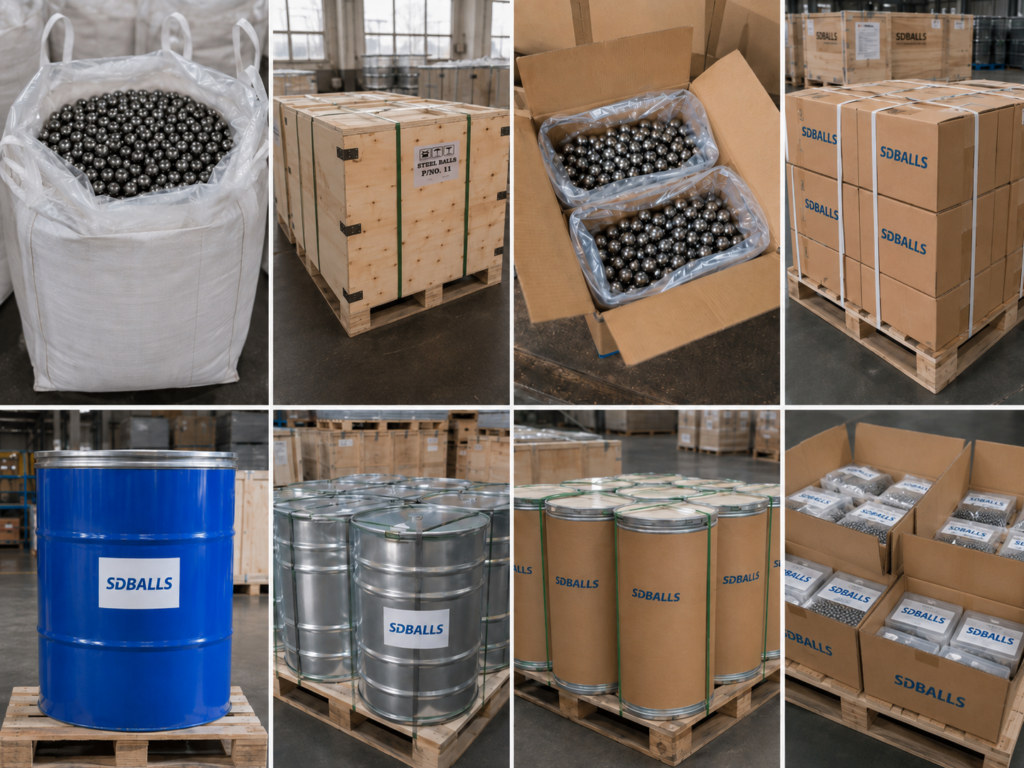
| Embalagem | Embalagem a granel, saco plástico, caixa de cartão, tubo, caixa, palete ou embalagem OEM personalizada com rotulagem de tamanho/lote |
Aplicações e Adequação de Aplicação
| Aplicativo | Nível de Adequação | Nota para o Comprador |
| Rolamentos de agulhas e rolamentos de rolos cilíndricos | Muito boa | Aplicação principal para elementos rolantes de precisão; o desenho e a classe de tolerância devem ser confirmados. |
| Caixas de engrenagens automóveis, transmissões e mecanismos compactos | Muito boa | Elevada capacidade de carga radial em espaço limitado, permitindo um design mecânico compacto. |
| Máquinas-ferramenta e conjuntos de fusos de alta velocidade | Bom a muito bom | Exige grau de precisão mais elevado, acabamento superficial controlado e consistência rigorosa de lote. |
| Guias lineares, corrediças e sistemas de automação | Bom | Adequado onde são exigidos rolamento suave, rigidez e distribuição de carga. |
| Mecanismos de atuadores e articulações aeroespaciais | Dependente do projeto | Exige especificação rigorosa, rastreabilidade e documentação de inspeção. |
| Componentes de transmissão para energia eólica e industrial | Bom | Útil onde a capacidade de carga radial e a resistência ao desgaste são importantes. |
| Equipamentos de acabamento vibratório e polimento | Dependente da aplicação | Confirmar material, dureza e requisitos de desgaste antes da seleção. |
| Ambientes corrosivos ou húmidos | Condicional | Utilizar opções de aço inoxidável ou outras resistentes à corrosão; os roletes de aço para rolamentos exigem proteção contra ferrugem. |
Guia de Seleção de Materiais
| Opção de Material | Resistência Típica | Limitação | Quando Recomendar |
| Roletes de aço para rolamentos AISI 52100 | Elevada dureza, resistência ao desgaste e desempenho à fadiga de rolamento | Não resistente à corrosão sem proteção | Roletes de rolamento em geral, conjuntos automotivos, caixas de engrenagens e sistemas de rolamento com alta carga |
| Roletes de aço inoxidável AISI 304 / 316 | Melhor resistência à corrosão e aparência limpa. | Dureza inferior à dos aços para rolamentos temperados | Ambientes húmidos ou ligeiramente corrosivos onde a fadiga elevada do rolamento não é o principal requisito |
| Roletes de aço inoxidável AISI 420C / 440C | Maior dureza com resistência à corrosão moderada | Menor resistência à corrosão que o 316 em meios com cloretos ou agressivos | Aplicações que exigem dureza e algum desempenho como inoxidável |
| Roletes cerâmicos ou esferas cerâmicas | Opções não magnéticas, resistentes à corrosão e a altas temperaturas | Custo mais elevado e necessidade de revisão do projeto | Aplicações especiais em que roletes metálicos não são adequados |
Fabricação & Controle de Processos
A produção de rolos cilíndricos e de agulhas exige um controlo rigoroso do material, da conformação da peça bruta, do tratamento térmico, da retificação, da lapidação, do polimento, da classificação e da inspeção. Ao contrário das peças cilíndricas decorativas ou de uso geral, os rolos para rolamentos devem manter uma geometria e um acabamento superficial controlados para suportar o desempenho de rolamento.
Entre os pontos importantes de controlo do processo incluem-se a seleção da matéria-prima, a estabilidade do tratamento térmico, o controlo do diâmetro, o controlo do comprimento, a qualidade da face de topo, a rugosidade superficial, a retidão, a circularidade, o aspeto visual, a limpeza e a embalagem com proteção antioxidante.
Controlo de Qualidade e Inspeção
Os itens de inspeção típicos incluem o diâmetro, o comprimento, a circularidade, a cilindricidade, a retidão, o perfil da face de topo, a dureza, o acabamento superficial, o aspeto da superfície e as condições de embalagem. Para projetos OEM e da indústria de rolamentos, a SDBALLS pode discutir a aprovação de amostras, relatórios de inspeção, certificados de material, rastreabilidade de lotes e rotulagem personalizada.
Dado que o desempenho dos rolos depende fortemente das pistas de rolamento com que contactam, da lubrificação, da velocidade, da carga e da precisão de montagem, recomenda-se que os compradores forneçam desenhos, requisitos de tolerância e condições de aplicação antes da produção em série.
Opções de Embalagem
A SDBALLS pode fornecer rolos cilíndricos e de agulhas em sacos a granel, sacos de plástico, tubos, pequenas caixas de cartão, caixas de exportação, baldes, tambores ou embalagens em paletes. Para rolos de precisão, recomendam-se embalagens limpas, proteção antiferrugem, rotulagem de tamanho, marcação de classe e identificação de lote.
Como Especificar para Cotação
Para uma cotação precisa, queira confirmar: tipo de produto, material, diâmetro do rolo, comprimento do rolo, classe de precisão ou tolerância, requisito de dureza, perfil da face de topo, acabamento superficial, requisito de folga se relacionado com a montagem do rolamento, quantidade, método de embalagem, aplicação, disponibilidade de desenho ou amostra, requisitos de documentação de inspeção, porto de destino e termo de comércio.
FAQ Técnico
P: Para que servem os rolos cilíndricos e os rolos de agulha?
R: São corpos rolantes utilizados em rolamentos, caixas de velocidades, componentes automóveis, máquinas-ferramentas, corrediças e outros sistemas mecânicos compactos onde a capacidade de carga radial e a precisão de funcionamento são importantes.
P: Qual é a diferença entre rolos cilíndricos e rolos de agulhas?
R: Os rolos de agulhas são rolos cilíndricos com um diâmetro pequeno em relação ao seu comprimento, o que os torna especialmente adequados para projetos de rolamentos compactos com espaço radial limitado. Os rolos cilíndricos podem ter uma relação diâmetro/comprimento maior e são utilizados em muitos sistemas de rolamentos de alta carga.
P: Que materiais pode a SDBALLS fornecer?
R: As opções comuns incluem aço para rolamentos AISI 52100 e classes de aço inoxidável como AISI 304, 316, 420C, 430 e 440C. O material deve ser selecionado de acordo com os requisitos de carga, desgaste, corrosão e custo.
P: Estes rolos são resistentes à corrosão?
R: Os rolos de aço para rolamentos AISI 52100 não são resistentes à corrosão e normalmente exigem óleo antiferrugem ou armazenamento controlado. Opções em aço inoxidável podem melhorar a resistência à corrosão, mas a seleção do grau deve corresponder ao ambiente.
P: Quais são os graus de precisão disponíveis?
R: Os graus comuns relacionados a rolamentos incluem P0, P6, P5 e P4. Graus de maior precisão exigem controle mais rigoroso de geometria, acabamento superficial e inspeção.
P: Preciso fornecer um desenho?
R: Sim, é altamente recomendado fornecer desenhos ou amostras, pois o diâmetro do rolo, o comprimento, a geometria das extremidades, a tolerância, a dureza e o acabamento superficial afetam diretamente o desempenho da montagem.
P: A SDBALLS pode fornecer rolos personalizados?
R: Sim. A SDBALLS pode discutir produção baseada em desenho, embalagem OEM, tamanhos mistos, seleção de material especial e documentação de inspeção.
P: O que deve ser confirmado antes de substituir um rolo existente?
R: Por favor, confirme o material original, dimensões, tolerância, dureza, acabamento superficial, carga de aplicação, velocidade, lubrificação, ambiente de trabalho e se o rolo faz parte de um conjunto de rolamento padrão.
Produtos Relacionados
Agendar uma solicitação
Entre em contato conosco hoje mesmo para qualquer serviço. (*) Indica campos obrigatórios.