Global Market Guide to Bulk Plastic Balls Sourcing
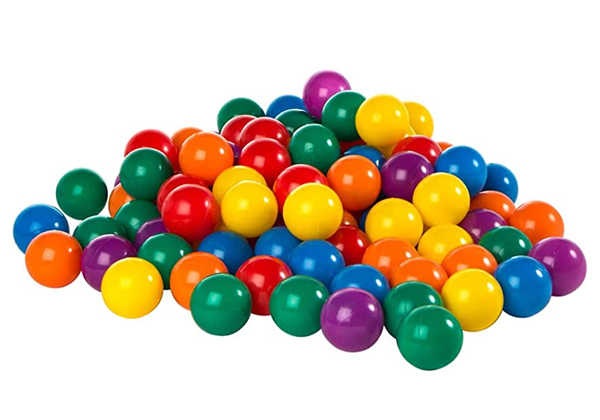
Global Market Guide to Bulk Plastic Balls Sourcing
Quick Answer for Global Industrial Buyers

For industrial component orders, the best bulk plastic balls supplier is one that can match resin selection, tolerance level, certification requirements, packaging format, and delivery schedule to your application rather than simply offering the lowest unit price. Buyers in the global market should compare POM, PP, nylon, PTFE, PMMA, and PE balls according to load, wear, chemical exposure, temperature, food-contact needs, and visual requirements. The right supplier should also verify FDA compliance where applicable, RoHS conformity for electronics-related applications, and ISO 9001 quality management for consistent production control.
If your project involves valves, pumps, medical devices, food processing equipment, electronics, cosmetic packaging, fluid control, or lightweight mechanical assemblies, plastic balls can reduce weight, improve corrosion resistance, lower noise, and simplify material compatibility. However, the same ball that works in a low-load float valve may fail quickly in a high-friction pump assembly. A professional sourcing partner will help you define diameter, grade or tolerance, surface finish, hardness, color, resin origin, lot traceability, and inspection method before confirming mass production.
For global procurement teams, the practical buying sequence is straightforward: define the function of the ball, select the material, confirm regulatory needs, request samples, approve inspection criteria, negotiate MOQ and price breaks, check stock versus custom lead time, and lock packaging and logistics. International buyers should also consider shipping routes through trade hubs such as Shanghai, Qingdao, Ningbo, Shenzhen, Busan, Singapore, Rotterdam, Hamburg, Los Angeles, Long Beach, Dubai, and Antwerp depending on destination and urgency.
SDBALLS Industry Corp supports global buyers as a precision ball manufacturer and integrated sourcing partner. While the company is well known for steel ball manufacturing, it also helps customers consolidate multi-material sphere procurement, including plastic, glass, ceramic, copper, and aluminum balls. Buyers can learn more about the company background through the SDBALLS company overview and evaluate whether a consolidated supply model is suitable for repeated industrial component orders.
| Buyer Question | Recommended Answer | Best Practice vs Common Mistake |
|---|---|---|
| Which plastic material should I choose? | Match POM, PP, nylon, PTFE, PMMA, or PE to load, chemicals, temperature, and certification needs. | Best practice: application-based selection vs mistake: choosing only by price. |
| Can plastic balls replace metal balls? | Yes, in low-to-medium load, corrosion-sensitive, lightweight, or non-magnetic applications. | Best practice: test under real conditions vs mistake: assuming equal strength to steel. |
| What certificates matter most? | FDA compliance, RoHS, ISO 9001, and sometimes REACH, LFGB, or medical material documentation. | Best practice: verify document scope vs mistake: accepting generic certificates without material match. |
| How should MOQ be evaluated? | Consider resin type, size, color, tolerance, mold needs, inspection level, and packaging. | Best practice: compare total landed cost vs mistake: comparing unit price only. |
| What quality tests are essential? | Dimensional accuracy, roundness, hardness, surface quality, chemical resistance, and batch traceability. | Best practice: define AQL or inspection plan vs mistake: inspecting only after arrival. |
| How long is delivery? | Stock sizes can ship quickly; custom sizes, colors, and OEM packaging need longer production planning. | Best practice: forecast demand vs mistake: treating custom parts like commodity stock. |
This table shows that bulk plastic ball procurement is a technical sourcing decision. The lowest quotation may become expensive if the resin is wrong, the tolerance is unclear, or the shipment misses an OEM production window.
Material Selection: POM, PP, Nylon, PTFE, PMMA, and PE for Industrial Applications

Material selection is the core of plastic ball sourcing. Each engineering plastic has a different balance of strength, cost, friction, water absorption, chemical resistance, thermal stability, appearance, and compliance potential. Industrial buyers should avoid using one material for every design. Instead, they should begin with the working environment: Is the ball used as a check valve element, a pump component, a float, a bearing element, a cosmetic roller, a filtration part, a spray can agitator, or a medical consumable component? Each function creates different priorities.
POM, also known as acetal, is widely used where dimensional stability, low friction, good strength, and wear resistance are important. It is a frequent choice for valves, pumps, bearings, sliding mechanisms, precision fluid control, and mechanical assemblies. POM balls typically offer better rigidity than PP or PE and lower moisture absorption than nylon. When buyers need a cost-effective engineering plastic with reliable machining or molding consistency, POM is often the first material to evaluate.
PP balls are lightweight, economical, and chemically resistant to many acids, alkalis, and solvents. They are commonly used in float applications, filtration, plating equipment, chemical processing, and food-related systems where operating load is moderate. PP is not as stiff or wear-resistant as POM, but it is attractive for large-volume orders where chemical compatibility and low density matter more than mechanical precision.
Nylon balls offer good toughness, fatigue resistance, and abrasion resistance. They are useful in conveyor components, low-noise bearings, sliding units, pump parts, and mechanical systems where impact resistance is valued. However, nylon absorbs moisture, which can affect dimensions and mechanical behavior. In humid regions such as Southeast Asia, coastal Europe, Latin America, and the Gulf region, buyers should consider storage conditions and application moisture exposure before selecting nylon.
PTFE balls are selected for extreme chemical resistance, very low friction, and wide temperature tolerance. They are common in chemical valves, laboratory equipment, aggressive fluid handling, pharmaceutical systems, and specialty sealing applications. PTFE is softer than many engineering plastics, so it may deform under high load. Its higher material cost also makes it more suitable for critical applications than general-purpose components.
PMMA balls, often known as acrylic balls, provide clarity, appearance, and good weatherability. They are used in visual indicators, decorative industrial assemblies, optical display components, fluid level indicators, cosmetic packaging, and equipment where appearance matters. PMMA is not the best choice for high-impact or high-wear applications, but it is valuable where transparency and consistent visual quality are required.
PE balls, including HDPE and UHMWPE options, are used where chemical resistance, low moisture absorption, light weight, and impact resistance are important. HDPE is economical and suitable for floats and low-load uses. UHMWPE offers excellent abrasion resistance and low friction, making it suitable for some conveyor, marine, and wear applications. Buyers should specify the exact PE grade because performance differences can be significant.
| Material | Main Strengths | Limitations | Typical Uses | Material Choice vs Alternative |
|---|---|---|---|---|
| POM | Dimensional stability, strength, low friction, wear resistance | Not ideal for strong acids or continuous high heat | Valves, pumps, bearings, precision components | POM vs PP: better strength and precision, usually higher cost. |
| PP | Low density, chemical resistance, economical pricing | Lower stiffness and wear resistance | Floats, filtration, chemical tanks, food equipment | PP vs POM: better chemical economy, weaker mechanically. |
| Nylon | Toughness, impact resistance, abrasion resistance | Moisture absorption may change dimensions | Conveyors, rollers, pump parts, low-noise mechanisms | Nylon vs POM: tougher under impact, less dimensionally stable in humidity. |
| PTFE | Excellent chemical resistance, low friction, temperature range | Soft, higher price, lower load capacity | Chemical valves, lab systems, pharmaceutical equipment | PTFE vs POM: superior chemical resistance, weaker under compression. |
| PMMA | Transparency, appearance, weatherability | Brittle compared with nylon or PE | Indicators, displays, cosmetic and visual components | PMMA vs PP: better appearance, less impact resistant. |
| PE | Chemical resistance, light weight, impact resistance | Lower rigidity than POM; grade-dependent performance | Floats, marine parts, wear strips, low-load assemblies | PE vs nylon: lower moisture absorption, generally lower stiffness. |
The table highlights why resin selection should be based on the operating environment. When the application involves sliding or precision movement, POM may be preferable. When chemicals dominate the risk profile, PP, PE, or PTFE may perform better. When visual presentation matters, PMMA can be the practical choice.
Industry Applications: Valves, Pumps, Medical, Food Processing, and Electronics

Plastic balls are used across many industrial sectors because they combine corrosion resistance, low density, electrical insulation, and material versatility. In valves, plastic balls often act as check balls, float balls, flow control elements, or sealing components. For water treatment systems in cities such as Singapore, Dubai, Sydney, Rotterdam, and Los Angeles, plastic balls can reduce corrosion risks compared with metal balls, especially where water chemistry or chemicals vary. POM, PP, PE, and PTFE are common choices depending on pressure, chemical exposure, and temperature.
In pumps, plastic balls may be used in diaphragm pumps, dosing pumps, chemical metering pumps, and small fluid transfer devices. Pump applications require careful attention to roundness, surface finish, rebound behavior, chemical compatibility, and wear. A ball that is too soft may deform and leak; a ball that is too hard may damage the seat or produce noise. Buyers should test plastic balls with the actual pump seat material, fluid, pressure cycle, and operating temperature before approving a bulk order.
Medical applications demand stricter material documentation, cleanliness, traceability, and packaging control. Plastic balls may appear in diagnostic devices, laboratory instruments, fluid handling systems, and disposable equipment. For medical-related orders, suppliers should clarify whether the requirement is medical-grade resin, biocompatibility documentation, sterilization compatibility, or only general industrial use in a medical equipment environment. The distinction affects cost, lead time, and documentation.
Food processing applications require attention to FDA compliance, EU food-contact requirements, odor control, color safety, and cleanability. Plastic balls may be used in spray systems, check valves, tank cleaning devices, packaging lines, mixers, and conveyor systems. White, natural, blue, or detectable colors are common depending on plant policy. Buyers serving food factories in Chicago, Hamburg, Milan, São Paulo, Bangkok, or Melbourne should verify whether the ball material is suitable for direct or incidental food contact.
In electronics, plastic balls are valued for electrical insulation, non-magnetic behavior, low weight, and RoHS compliance. They can be used in switches, sensors, positioning mechanisms, packaging systems, polishing media, or assembly fixtures. In electronics manufacturing hubs such as Shenzhen, Suzhou, Penang, Ho Chi Minh City, Seoul, Taipei, and Guadalajara, consistency and compliance documentation can be just as important as price. RoHS, REACH, and material traceability are often requested by OEM and contract manufacturing buyers.
Plastic balls are also used in cosmetics, aerosol packaging, laboratory mixers, paint containers, fluid level control, marine hardware, toy components, and consumer goods. Because global buyers often purchase several material types at once, a sourcing partner that can support both standard stock and custom production can reduce vendor complexity. SDBALLS provides a broad industrial ball product range, allowing buyers to compare steel, plastic, ceramic, glass, and other sphere solutions through a consolidated procurement channel.
| Industry | Common Function | Preferred Materials | Key Risk | Standard Option vs Custom Option |
|---|---|---|---|---|
| Valves | Check ball, sealing element, flow control | POM, PP, PTFE, PE | Leakage, chemical attack, seat mismatch | Standard size vs custom tolerance for better sealing. |
| Pumps | Dosing, metering, diaphragm pump component | POM, PTFE, nylon | Wear, deformation, noise | Standard resin vs tested resin matched to fluid and cycle rate. |
| Medical | Device component, lab fluid handling | POM, PP, PTFE, PE | Documentation, cleanliness, traceability | Industrial grade vs medical-documented grade. |
| Food Processing | Food-contact valves, cleaning systems, packaging lines | PP, PE, POM, PTFE | Compliance, contamination, color policy | Natural color vs detectable or plant-specific color. |
| Electronics | Insulation, positioning, switch component | POM, PP, PMMA, PE | RoHS conformity and dimensional consistency | General supply vs RoHS-controlled batch documentation. |
| Cosmetics and Packaging | Mixing ball, roller ball, visual component | PMMA, PP, PE, POM | Appearance, odor, color consistency | Plain packaging vs private label packaging. |
This industry comparison demonstrates the importance of aligning function and documentation. A valve buyer may focus on sealing and chemical resistance, while an electronics buyer may prioritize RoHS and dimensional repeatability.
Certifications to Verify: FDA Compliance, RoHS, and ISO 9001 Standards
Certification verification is one of the most important steps in global plastic ball procurement. Many buyers ask for “FDA,” “RoHS,” or “ISO” without confirming what those terms cover. A reliable supplier should explain whether certification applies to the resin, the finished ball, the manufacturing site, the management system, or a specific batch. Misunderstanding this point can create compliance gaps in regulated industries.
FDA compliance is relevant when plastic balls are used in food-contact, beverage, pharmaceutical, or related equipment applications. Buyers should confirm whether the resin formulation is suitable for the intended food-contact conditions, including temperature, contact time, and food type. FDA compliance should not be assumed for every color or additive. If blue, red, black, or custom-color balls are required, pigment safety and documentation should also be checked.
RoHS compliance is essential for electronics and electrical equipment supply chains. It restricts hazardous substances such as lead, cadmium, mercury, hexavalent chromium, PBB, PBDE, and certain phthalates. Plastic balls used in electronics assemblies, switches, sensors, tools, or packaging fixtures may need RoHS documentation. Buyers selling into the European Union, United Kingdom, North America, Japan, South Korea, and other regulated markets should keep batch documents for future audits.
ISO 9001 is a quality management system standard. It does not certify that a specific ball is suitable for a specific application, but it shows that the supplier operates under documented processes for order control, inspection, corrective action, and continuous improvement. For repeated OEM orders, ISO 9001 can help reduce variation and improve communication. SDBALLS maintains rigorous quality systems, and buyers can review more details through the company’s quality and technical support information.
Some buyers may also request REACH, LFGB, USP Class VI, biocompatibility reports, material safety data, certificate of analysis, or declaration of conformity. Not every project needs all documents. Excessive documentation requirements can increase cost and delay quotation. The best approach is to list the final market, product use, contact medium, operating environment, and audit requirements before quotation.
| Certification or Document | When It Matters | What to Verify | Risk if Ignored | Certificate vs Real Control |
|---|---|---|---|---|
| FDA Compliance | Food, beverage, medical-adjacent, packaging applications | Resin, colorant, contact condition, batch relevance | Rejected product or regulatory nonconformity | Document alone vs verified material formulation. |
| RoHS | Electronics and electrical equipment supply chains | Restricted substances and latest directive scope | Failed customer audit or blocked market access | Generic statement vs batch-specific declaration. |
| ISO 9001 | Repeated industrial and OEM orders | Certified site, process scope, validity date | Inconsistent quality and weak corrective action | Management system vs product performance guarantee. |
| REACH | European market chemical compliance | SVHC status and supplier declaration | EU customer compliance dispute | Old declaration vs updated substance review. |
| LFGB | Food-contact products for Germany and EU buyers | Testing conditions and material match | Food-contact approval issues | FDA-only approach vs EU-specific evaluation. |
| Material Traceability | Medical, aerospace-adjacent, food, electronics OEMs | Lot number, resin source, inspection record | No root cause analysis after failure | Verbal assurance vs documented batch control. |
The most effective compliance strategy is to request only the documents required for the actual end use, but to make those requirements clear before production. This prevents disputes after goods are manufactured.
MOQ Structures, Volume Pricing, and Minimum Order Value Considerations
MOQ for plastic balls depends on more than diameter. It is influenced by resin availability, production method, color, tolerance, inspection level, packaging, and whether the order uses stock inventory or custom manufacturing. A common mistake is asking for the lowest MOQ without explaining the annual demand. Suppliers may offer better support when they understand forecast volume, release schedule, and repeat order potential.
Stock plastic balls usually have lower MOQ and faster delivery. Common sizes in POM, PP, nylon, PE, or PTFE may be available for sample or small batch purchase. Custom balls require more planning. If the buyer needs a non-standard diameter, tight tolerance, special color, private-label bag, barcode, carton label, or special inspection report, MOQ may increase. The supplier must allocate production time, prepare materials, conduct setup, and manage quality checks.
Volume pricing is normally structured by quantity breaks. For example, a quote may include pricing for 10,000 pieces, 50,000 pieces, 100,000 pieces, and 500,000 pieces. However, buyers should compare the total landed cost, not only the ex-works unit price. Freight, duty, customs clearance, banking charges, inspection fees, packaging, and inventory carrying cost can change the final economics. For heavy or high-volume shipments, sea freight through Qingdao, Shanghai, Ningbo, or Shenzhen may be more economical. For urgent production stops, air freight through Shanghai Pudong, Beijing, Seoul, Hong Kong, Singapore, Frankfurt, or Los Angeles may be justified.
Minimum order value is another practical issue. Even if the MOQ by quantity is low, international processing costs can make very small orders inefficient. Suppliers often set a minimum invoice value to cover administration, export documentation, packing, and logistics coordination. Buyers can reduce this problem by consolidating several plastic ball sizes, materials, or related ball products into one shipment.
Procurement teams should also evaluate safety stock. A buyer in Mexico serving automotive and appliance assembly may need buffer stock near Monterrey or Querétaro. A buyer in Germany may prefer scheduled deliveries through Hamburg or Rotterdam. A buyer in the United States may request partial shipment to warehouses near Chicago, Houston, Atlanta, or Los Angeles. MOQ negotiations are stronger when linked to a realistic release plan.
| Order Type | Typical MOQ Driver | Pricing Behavior | Lead Time Impact | Low MOQ vs Volume Buying |
|---|---|---|---|---|
| Stock standard size | Available inventory and packing unit | Moderate unit price, flexible quantity | Shortest lead time | Low MOQ helps trials vs volume buying lowers cost. |
| Custom diameter | Setup time and production scheduling | Higher initial cost | Longer due to tooling or process adjustment | Small custom run is costly vs larger run spreads setup cost. |
| Custom color | Pigment matching and material changeover | Price depends on colorant and batch size | Requires sample approval | Low MOQ limits color accuracy vs volume supports stable matching. |
| Tight tolerance order | Inspection intensity and process control | Higher due to yield and QC time | May require additional sorting | Standard tolerance saves cost vs tight tolerance improves performance. |
| Private label packaging | Bag, carton, label, barcode, artwork | Packaging cost added | Requires artwork and packaging approval | Plain bulk pack is faster vs OEM pack improves brand control. |
| Multi-material consolidated order | Supplier coordination and shipment planning | Can improve total landed cost | Depends on slowest item | Separate orders are simple vs consolidated orders reduce vendor burden. |
This comparison shows why MOQ should be discussed with annual demand and logistics strategy. Buyers who share forecasts usually receive more practical pricing than buyers requesting only a one-time spot quote.
Quality Control: Dimensional Accuracy, Hardness, and Chemical Resistance Testing
Quality control for plastic balls must be defined before production. Unlike simple commodity parts, plastic balls can vary in diameter, roundness, surface finish, flash, color, hardness, density, and material performance. A quality dispute after shipment is expensive, especially for buyers importing through long routes from Asia to Europe, North America, South America, Africa, or the Middle East. Clear inspection standards protect both the buyer and the supplier.
Dimensional accuracy includes diameter tolerance, roundness, and sometimes sphericity. For valve and pump applications, even a small dimensional error can affect sealing and flow. For cosmetic roller balls, poor roundness can affect rolling smoothness. For electronics and mechanical positioning, inconsistent size can create assembly failures. Buyers should specify whether they need general industrial tolerance or precision-sorted batches.
Hardness testing helps confirm that the plastic ball behaves as expected under compression, wear, and sealing contact. Shore D hardness is commonly used for engineering plastics, although the exact test method should be confirmed. PTFE will be softer than POM, and PE may behave differently depending on grade. Hardness should be considered together with the mating seat material, load, temperature, and fluid exposure.
Chemical resistance testing is essential for pumps, valves, plating lines, water treatment, laboratory systems, and food processing. A resin compatibility chart is useful, but real-world testing is better. Concentration, temperature, exposure time, pressure, and mechanical stress can change results. For example, a material that survives short exposure at room temperature may fail under hot chemical cycling. Buyers should conduct validation using the actual media whenever possible.
Surface inspection is also important. Plastic balls may show parting lines, injection marks, polishing marks, bubbles, contamination, scratches, or color variation. Some applications can accept minor cosmetic variation, while medical, optical, and cosmetic packaging applications may require higher appearance standards. Inspection plans should state whether defects are judged visually, by magnification, or by functional test.
SDBALLS has long experience in precision ball inspection from its steel ball manufacturing background, including control of size, grade, surface, and batch consistency. This technical culture supports its ability to coordinate quality requirements for multi-material sphere sourcing. Buyers can also review common usage scenarios through the company’s industrial ball application resources to better define inspection priorities.
Custom Colors, Sizes, and Private Label Packaging for OEM Buyers
OEM buyers often need more than standard plastic balls. Custom color, special diameter, controlled tolerance, logo packaging, barcoded cartons, and market-specific labeling can all be part of the supply requirement. These details are not cosmetic afterthoughts; they influence production planning, inventory control, brand presentation, and assembly efficiency.
Custom colors may be required for product identification, safety, food processing visibility, brand matching, or market differentiation. Blue plastic balls are common in food plants because blue is easier to detect visually. Black may be selected for UV resistance or appearance. Natural or white may be preferred for food-contact and medical-adjacent applications. Transparent PMMA balls are used where visual clarity is needed. Color matching should be approved by physical samples, not only digital images, because lighting and screen differences can mislead buyers.
Custom sizes are often required when a ball must fit an existing valve seat, pump chamber, cosmetic roller housing, or mechanical assembly. Buyers should provide drawings with diameter, tolerance, surface finish, material, color, application, and acceptance standard. If a drawing is not available, samples can be measured and reverse-engineered, but this process should include functional testing because old samples may be worn or swollen.
Private label packaging is valuable for distributors, OEM service kits, aftermarket brands, and e-commerce supply. Packaging can include small bags, bulk bags, inner boxes, master cartons, pallet labels, QR codes, batch labels, or multilingual instructions. Export cartons should be strong enough for long-distance transport through ports such as Qingdao, Shanghai, Ningbo, Shenzhen, Singapore, Rotterdam, Hamburg, Jebel Ali, Los Angeles, and Santos.
OEM buyers should confirm packaging early because it can affect MOQ and lead time. Printed bags, custom labels, and special cartons may require separate supplier coordination. If packaging is approved late, finished balls may wait in storage while labels are printed. For urgent orders, plain neutral packaging with external batch labels may be a faster option.
Quality control for custom orders should include first article approval. A sample lot allows the buyer to confirm color, size, rolling behavior, assembly fit, and packaging format before mass production. For high-volume programs, a control plan with periodic inspection, retention samples, and batch traceability is recommended.
Supply Chain and Logistics: Stock Availability vs Custom Production Lead Times
Global supply chains for industrial components are changing. Buyers now care not only about price but also about supply resilience, predictable lead times, compliance documentation, and sustainability. Plastic balls are small components, but a shortage can stop assembly lines for valves, pumps, electronics, or packaging products. This makes supply planning important even for low-cost parts.
Stock availability is useful for urgent orders, prototypes, maintenance needs, and small production runs. Standard sizes and materials can often be dispatched quickly. However, stock products may not meet special color, tolerance, certificate, or packaging needs. Buyers should verify whether the stock lot is from the same resin and production batch required for the final project.
Custom production offers better control over material, size, color, tolerance, packaging, and documentation. It is usually the right choice for OEM programs, regulated industries, and repeated orders. The tradeoff is longer lead time. Production must be scheduled, raw material must be prepared, samples may need approval, and inspection must be completed. During peak seasons before Chinese New Year, Golden Week, year-end inventory cycles, or major shipping disruptions, buyers should add buffer time.
Logistics choices depend on urgency, value, volume, and destination. Air freight is fast but expensive. Sea freight is economical for large-volume or less urgent orders. Rail can be an option for some China-Europe shipments, while express courier is useful for samples and urgent small lots. Buyers should clarify Incoterms such as EXW, FOB, CIF, DAP, or DDP before comparing quotes. A low product price can be offset by unfavorable freight terms.
For 2026 and beyond, several trends will influence plastic ball procurement. First, more buyers will request documented material traceability and digital certificates. Second, sustainability pressure will increase interest in recyclable materials, lower-waste production, and optimized packaging. Third, regional inventory strategies will become more common as companies reduce dependence on single-route logistics. Fourth, regulations on chemicals, PFAS, food contact, and electronics substances will continue to tighten. PTFE and other fluoropolymer applications may face more documentation questions in some markets, even where their performance remains technically valuable.
Technology will also change purchasing behavior. AI-assisted demand forecasting, digital inspection records, automated optical sorting, and supplier portals will make repeat orders more transparent. Buyers may increasingly request photos, videos, inspection data, and shipment tracking before release. Suppliers that can combine manufacturing discipline with responsive communication will be better positioned in the global market.
Our Company: SDBALLS as an Integrated Ball Supply Partner
SDBALLS Industry Corp, also known as Shandong SDBALLS Industry Corp Ltd., serves global customers as a precision ball manufacturer and integrated supply partner. The company is headquartered in Tai’an City, Shandong Province, China, a region with access to manufacturing resources and export logistics through major coastal gateways such as Qingdao and Shanghai. With decades of experience in precision ball production, SDBALLS supports customers across more than 50 countries.
Technological capabilities
The company’s technical foundation comes from precision steel ball manufacturing, where dimensional control, grading, surface inspection, hardness management, and process consistency are critical. This experience is valuable when supporting plastic ball procurement because industrial buyers still need accurate size, reliable roundness, stable material performance, and documented inspection. SDBALLS applies a quality-minded approach to multi-material sphere sourcing, helping buyers clarify technical requirements before order confirmation.
For plastic balls, technological support includes material comparison, application discussion, drawing review, tolerance consultation, sample coordination, and inspection planning. When a buyer is uncertain whether POM, PP, nylon, PTFE, PMMA, or PE is the best option, the team can help identify practical choices based on chemical exposure, load, temperature, color, and compliance requirements. This reduces trial-and-error cost for OEM buyers.
Manufacturing capabilities
SDBALLS operates multiple production facilities and has built its reputation on stable ball manufacturing. Its core product range includes carbon steel balls, chrome steel balls, and stainless steel balls in a wide grade range for bearings, automotive parts, hardware, grinding, sliding systems, caster wheels, and ball transfer units. This manufacturing background gives the company strong process discipline and inspection awareness.
Beyond its own steel ball production, SDBALLS helps customers source plastic, glass, ceramic, copper, aluminum, and other specialty spheres. This integrated model is especially useful for global buyers who need several ball materials for different product lines. Instead of managing separate suppliers for POM balls, PTFE balls, stainless balls, ceramic balls, and glass balls, buyers can consolidate communication and shipment planning through one experienced partner.
Service capabilities
Service is a major part of industrial component sourcing. SDBALLS supports global buyers with quotation guidance, sample coordination, production follow-up, inspection communication, export packaging, logistics planning, and after-sales response. The company also maintains international sales support, including communication for customers in North America, Europe, Asia-Pacific, the Middle East, and Latin America.
For OEM buyers, service can include custom sizes, custom colors, private label packaging, batch labels, and shipment consolidation. For distributors, the company can help organize repeat orders and mixed-material shipments. For engineering teams, early discussion can prevent material mismatch and reduce redesign risk. The goal is not only to sell plastic balls in bulk, but to help buyers create a stable supply chain for industrial component orders.
FAQ About Bulk Plastic Balls for Industrial Component Orders
1. What is the best material for bulk plastic balls?
There is no single best material. POM is strong and dimensionally stable, PP is economical and chemically resistant, nylon is tough and wear-resistant, PTFE offers excellent chemical resistance and low friction, PMMA provides transparency, and PE is lightweight with good chemical resistance. The best choice depends on your application.
2. Can I use plastic balls in valves and pumps?
Yes. Plastic balls are commonly used in check valves, diaphragm pumps, dosing pumps, and fluid control systems. You should confirm chemical compatibility, pressure, temperature, sealing behavior, and wear resistance before bulk purchasing.
3. Do all plastic balls meet FDA requirements?
No. FDA compliance depends on the resin, additives, colorants, and intended contact conditions. Always request documentation that matches the exact material and color used in your order.
4. Why is RoHS important for plastic balls?
RoHS is important when plastic balls are used in electronics or electrical equipment supply chains. It helps verify that restricted hazardous substances are controlled according to applicable regulations.
5. What tolerance should I request?
The required tolerance depends on function. Valves, pumps, roller mechanisms, and precision assemblies need tighter dimensional control than floats or general-purpose mixing balls. Provide drawings or samples whenever possible.
6. Are custom colors available?
Yes. Custom colors are available for many plastic materials, but MOQ and lead time may increase. Color samples should be approved before mass production, especially for OEM or food processing applications.
7. What affects the MOQ?
MOQ is affected by material, size, color, tolerance, production method, inspection level, packaging, and stock availability. Custom production usually requires a higher MOQ than standard stock supply.
8. How do I reduce total purchasing cost?
Share annual demand, consolidate sizes or materials, choose realistic tolerances, confirm documentation early, and compare total landed cost rather than only unit price. Planned releases usually perform better than urgent spot orders.
9. Can plastic balls replace stainless steel balls?
Sometimes. Plastic balls can replace stainless steel balls when lower weight, corrosion resistance, electrical insulation, or reduced noise is more important than high strength. They are not suitable for all high-load or high-temperature applications.
10. How should I start a sourcing inquiry?
Provide material preference, diameter, tolerance, quantity, application, chemical exposure, temperature, color, certification needs, packaging, destination country, and target delivery date. If you are unsure, provide the application details and ask for material recommendations.

About the Author
We are SD Ball, a professional manufacturer dedicated to delivering high-precision steel ball solutions worldwide. With years of expertise, we specialize in advanced production processes, strict quality control, and customized solutions to support diverse industrial applications. From material selection to final inspection, we provide reliable products and consistent performance to help our clients achieve higher efficiency, durability, and product quality.
Share
Product Category
Related Articles
-
Shaped Grinding Media Supply for Global Market Mills
For Global Market buyers, shaped grinding media is no longer a simple consumable purchase. It is a productivity decision that affects mill throughput, particle size distribution, power consumption, liner life, slurry chemistry, contamination risk, and total processing cost. The right shaped grinding media manufacturer should be able to recommend material, geometry, hardness, density, dimensional tolerance, surface condition, packaging, and quality documentation according to the mill type, ore or powder characteristics, operating speed, filling ratio, and discharge target.In practical procurement terms, buyers should evaluate three factors first: grinding performance, supply reliability, and verified consistency. A low unit price is not always the lowest cost option if the media wears quickly, breaks under impact, contaminates the product, or causes unstable milling results. A reliable shaped grinding media supplier should provide batch traceability, wear rate testing, hardness checks, chemical analysis, dimensional inspection, and stable export documentation for shipments through major logistics hubs such as Shanghai, Qingdao, Ningbo, Singapore, Rotterdam, Hamburg, Jebel Ali, Los Angeles, Santos, Durban, and Melbourne.Shaped media may include balls, cylpebs, rods, satellites, cylinders, beads, cones, diagonals, short cylinders, tailored cut media, and specialized non-spherical forms. Each shape changes contact behavior inside the mill. Spherical media normally offers predictable rolling and impact, while cylpebs and short cylinders can increase contact points and improve certain fine-grinding or regrinding applications. Ceramic and zirconia shaped media can reduce metallic contamination in pigments, electronics, food-grade powders, battery materials, and pharmaceutical intermediates. High-chrome steel shaped media remains widely used in mining, cement, coal, and industrial minerals because of its balance between cost, toughness, and wear resistance.For 2026 sourcing, Global Market buyers should also consider sustainability, carbon reporting, recycled packaging, environmental compliance, export controls, and long-term supply agreements. Mills in North America, Europe, the Middle East, Southeast Asia, Latin America, Africa, and Oceania are increasingly asking suppliers for ISO-based quality systems, environmental management evidence, responsible sourcing statements, and material traceability. A supplier with integrated production, testing, and global service support can help reduce procurement complexity and improve mill operating predictability.Buyer PriorityWhat to CheckStrong Supplier SignalWeak Supplier SignalImpact on Mill OutputVS Decision PointWear lifeWear rate under simulated millingProvides test records and comparison dataOnly states generic hardnessControls replacement frequencyTested wear data VS brochure claimsBreakage resistanceImpact toughness and microstructureStable heat treatment and inspectionRandom cracks or inconsistent batchesReduces downtime and screen blockageControlled metallurgy VS unstable castingGrinding efficiencyShape, density, size distributionRecommends media by mill dutyOffers one standard shape onlyImproves throughput and finenessApplication engineering VS commodity salesContamination controlMaterial compatibilityOffers steel, ceramic, zirconia, stainless optionsNo chemical suitability reviewProtects product purityMaterial matching VS lowest-price substitutionSupply reliabilityCapacity, lead time, export experienceClear production schedule and shipping supportUnclear delivery planningPrevents mill stoppagePlanned supply VS emergency buyingTotal costCost per ton groundCalculates lifecycle costFocuses only on unit priceImproves purchasing accuracyTCO analysis VS purchase price onlyThis table shows why shaped grinding media buying should begin with operating data rather than a simple price request. When suppliers understand feed size, mill diameter, rotation speed, solids concentration, target particle size, pH, temperature, liner design, and cleaning requirements, they can recommend a more accurate media solution and help buyers avoid costly trial-and-error procurement.Grinding media shape influences the way energy is transferred from the rotating mill to the material being processed. In ball mills, stirred mills, attritors, bead mills, SAG mills, and regrinding circuits, media movement includes impact, abrasion, cascading, cataracting, rolling, sliding, and compression. A small change in shape can alter the balance among these forces. For Global Market operations processing cement clinker in Turkey, copper ore in Chile, gold ore in Ghana, silica sand in Malaysia, lithium materials in Australia, pigments in Germany, or ceramics in Japan, this balance can determine whether the plant achieves stable output or loses capacity through inefficient energy use.Spherical grinding balls are commonly selected because they move predictably, resist edge chipping, and distribute impact force evenly. However, shaped media such as cylpebs, short cylinders, diagonals, and satellites may create additional line or point contacts. This can improve grinding of certain brittle materials, enhance fine particle generation, or increase packing density inside the mill. In fine grinding and regrinding, the objective is often not only particle size reduction but also narrow distribution, improved liberation, reduced overgrinding, and lower energy consumption per ton.The main challenge is that no single shape is best for every mill. A cement plant near Dubai may require high-chrome cylpebs for dry grinding and low breakage. A ceramic glaze producer near Foshan may need high-density zirconia media to avoid iron contamination. A mining concentrator in Peru may prefer forged or cast steel balls for impact duty in primary grinding. A battery material plant in South Korea may require low-contamination ceramic or zirconia shaped media with tight size control. Therefore, shape selection must consider the full milling environment.Media shape also affects charge packing. Higher packing density may increase the number of contacts, but it can also change slurry flow and mill power draw. Irregular or high-aspect media may improve abrasion in some applications yet reduce mobility in others. Rounded shapes may reduce liner wear, while angular or edged shapes can increase cutting or shearing action but may have higher self-wear. A technical manufacturer should be able to discuss these trade-offs in practical terms instead of treating all shaped media as interchangeable.Media ShapeTypical Contact ModeBest-Fit ApplicationsAdvantagesPossible LimitationsShape VS Shape InsightGrinding ballsPoint impact and rollingMining, cement, general millingStable movement, broad availabilityMay be less aggressive in fine abrasionBalls VS cylpebs: better rolling, fewer edgesCylpebsLine and end contactCement, minerals, fine grindingMore contact area, dense chargeMay require careful mill tuningCylpebs VS balls: more contact, less simple motionShort cylindersMixed rolling and slidingPowder processing and regrindingGood abrasion behaviorEdge wear must be controlledCylinders VS rods: smaller and more flexibleRodsLine grindingRod mills, coarse feed controlReduces overgrinding in some circuitsLimited to suitable mill designsRods VS balls: line contact, less random impactBeadsHigh-frequency micro-impactStirred mills, pigments, coatingsExcellent fine grindingRequires tight size and material controlBeads VS balls: finer energy distributionCustom shapesApplication-specificSpecial mills and R&D processesOptimized for unique targetsNeeds trial validationCustom VS standard: higher fit, more testingThe comparison demonstrates that geometry is a process variable. For high-value powders, the best media is often the shape that delivers repeatable particle size and low contamination. For bulk mineral processing, the best media is usually the one that achieves the lowest cost per ton milled while maintaining throughput, recovery, and liner life.In 2026, digital monitoring is strengthening the link between media shape and mill efficiency. Plants increasingly use acoustic sensors, power draw monitoring, particle size analyzers, and artificial intelligence models to identify changes in charge behavior. These tools help operators compare balls versus cylpebs, steel versus ceramic, or standard size distribution versus engineered media blends. Suppliers that can interpret this data with buyers will have an advantage in the Global Market.Selecting a shaped grinding media manufacturer requires more than checking a catalog. A professional buyer should assess production route, material options, process control, inspection capability, export experience, engineering support, and commercial flexibility. For international mill supply buyers, communication speed and technical clarity are just as important as factory capacity. A supplier that cannot explain why a given shape, grade, or hardness suits a specific application may not be prepared to support long-term performance improvement.The first step is to define the duty condition. Is the media used for impact grinding, fine abrasion, dry milling, wet milling, acidic slurry, alkaline slurry, low-contamination powder, or heavy mineral liberation? Next, the buyer should identify the equipment type and operating parameters. Ball mills, vertical stirred mills, horizontal bead mills, tower mills, attritors, and rod mills can require very different media behavior. A good manufacturer will ask for this information before quoting.The second step is supplier verification. Buyers should request information about manufacturing capacity, quality certifications, chemical control, hardness testing, dimensional measurement, sample policy, nonconformity handling, packaging strength, and shipment experience. For large-volume buyers in regions such as the United States, Canada, Mexico, Brazil, Germany, Poland, Saudi Arabia, India, Vietnam, Indonesia, South Africa, and Australia, supplier stability is critical because a delayed container can stop a grinding circuit.The third step is trial design. Instead of replacing all media at once, many mills begin with a controlled test in one line, one chamber, or one batch process. The buyer records feed rate, power draw, product size, consumption rate, contamination level, liner wear, and downtime. The test should compare shaped media against the existing reference media under consistent conditions. Suppliers with technical capability can help structure this trial and interpret results.Selection FactorQuestions for SupplierDocuments to RequestRisk if IgnoredPreferred EvidenceSupplier A VS Supplier BManufacturing controlHow is shape consistency maintained?Process flow and inspection planVariable grinding behaviorDimensional records by batchControlled process VS manual sorting onlyMaterial expertiseWhich alloy or ceramic fits the slurry?Chemical composition reportCorrosion, breakage, contaminationApplication-specific recommendationMaterial engineer VS catalog sellerQuality systemWhich standards are certified?ISO or automotive quality certificatesInconsistent supplyValid third-party certificatesCertified system VS informal inspectionExport capabilityCan you ship to our port reliably?Packing list, HS code, shipment examplesCustoms delay and demurrageClear logistics experienceGlobal exporter VS local-only sellerTechnical supportCan you support trials?Trial plan and data sheetPoor adoption and no learningPerformance review processEngineering support VS transactional quoteCommercial stabilityCan you manage annual contracts?Lead time and supply agreement termsPrice shocks and stockoutsCapacity and forecast planningLong-term partner VS spot-market traderThis supplier comparison helps procurement teams move from price-only sourcing toward risk-managed sourcing. The best manufacturer is not always the cheapest on the first order; it is the partner that can keep the mill running, document the media, solve problems, and reduce cost per processed ton over time.Global Market buyers should also distinguish between a manufacturer, a trading company, and an integrated supply partner. A manufacturer offers direct process control. A trader may provide broad sourcing but can lack technical accountability. An integrated supply partner combines manufacturing, sourcing, inspection, documentation, and logistics coordination. This model is useful for companies that buy several types of spherical or shaped media, including steel, stainless steel, ceramic, glass, plastic, copper, aluminum, or specialty materials.Material selection determines density, hardness, toughness, corrosion resistance, contamination level, wear rate, and cost. High-chrome steel media is commonly selected for abrasive mining, cement, and industrial mineral grinding. Its chromium content supports wear resistance, while heat treatment controls hardness and toughness. Forged steel and carbon steel media may be used where impact resistance and cost efficiency are priorities. Stainless steel media is useful where corrosion resistance or product cleanliness matters. Ceramic, alumina, glass, and zirconia media are used when non-metallic or low-contamination grinding is required.High-chrome shaped media is often used in dry and wet grinding circuits where metallic contamination is acceptable or manageable. In cement plants near large construction markets such as Riyadh, Jakarta, Cairo, Istanbul, and São Paulo, high-chrome cylpebs or balls may help balance wear life and grinding efficiency. In mining centers such as Antofagasta, Perth, Johannesburg, Lima, and Vancouver, alloy steel media must withstand impact, abrasion, and complex slurry chemistry.Ceramic media is widely used for paints, inks, coatings, electronic materials, advanced ceramics, food ingredients, and specialty chemicals. Alumina media offers good wear resistance and moderate cost. Zirconia media provides higher density, excellent wear resistance, and low contamination, making it suitable for high-value fine grinding. Glass beads may be used in lower-intensity dispersion and polishing applications, but they are not suitable for every high-energy mill.Material compatibility should be checked carefully. A stainless media may resist rust but still introduce metal ions. A ceramic media may reduce metal contamination but may be too light for some heavy-duty grinding. Zirconia may offer superior performance but has a higher unit cost. The best choice is often found through total cost and quality analysis rather than simple material preference.Media MaterialRelative DensityMain StrengthTypical UseCost LevelMaterial VS Material ComparisonHigh-chrome steelHighWear resistance in abrasive serviceCement, mining, coal, mineralsMediumHigh-chrome VS carbon steel: better wear, higher priceForged steelHighImpact toughnessPrimary grinding and heavy millsMediumForged steel VS cast steel: stronger impact behaviorStainless steelHighCorrosion resistanceFood, chemicals, wet processesMedium to highStainless VS carbon steel: cleaner, more expensiveAlumina ceramicMediumLow metal contaminationCeramics, pigments, coatingsMediumAlumina VS steel: cleaner, lower densityZirconiaHigh for ceramicExcellent wear and densityBattery, electronics, fine chemicalsHighZirconia VS alumina: higher density, higher costGlass mediaLow to mediumClean dispersionLight milling and polishingLow to mediumGlass VS ceramic: lower cost, lower durabilityThe table clarifies that material selection is a balance of process performance and economics. For a bulk cement plant, zirconia may be technically strong but commercially unrealistic. For a battery precursor producer, steel may be inexpensive but unacceptable due to contamination. A qualified supplier should help buyers match the material to the real process and product value.Future material trends for 2026 include low-carbon steel production routes, improved heat-treatment efficiency, recycled alloy management, high-density ceramic formulations, and engineered surface finishes that reduce start-up wear. Buyers in Europe and North America are also asking more questions about carbon footprint, restricted substances, and responsible mineral sourcing. Suppliers that can document material origin and environmental controls will be better positioned for long-term supply contracts.OEM customization is important when standard media shapes do not match the mill design, material behavior, or product quality target. Customization may involve diameter, length, aspect ratio, roundness, end shape, edge radius, density, hardness range, surface roughness, polish level, packaging weight, lot size, or mixed-size charge design. For pilot plants, research laboratories, and specialized production lines, even small dimensional changes can affect milling intensity and product quality.Custom shaped grinding media is commonly requested by industries such as advanced ceramics, battery materials, magnetic materials, pharmaceuticals, cosmetics, polishing compounds, catalyst production, non-metallic minerals, and specialty metal powders. A powder producer in Singapore may need small zirconia beads with tight tolerances for a bead mill. A cement plant in Egypt may need custom high-chrome cylpebs for a specific chamber. A mineral processor in Kazakhstan may request a mixed steel media charge to adjust liberation and reduce overgrinding.OEM service should follow a structured workflow. The buyer provides technical requirements and operating conditions. The supplier reviews material feasibility, tooling needs, production tolerance, and test methods. Samples are produced and tested. After approval, mass production uses documented process parameters and inspection criteria. This sequence reduces the risk of receiving customized media that meets a drawing but fails in actual operation.Dimensional accuracy matters because media size distribution changes over time. If the starting dimensions are inconsistent, the mill charge becomes unpredictable faster. In high-speed stirred mills, oversized media can block screens, while undersized media can pass through separation systems. In dry cement mills, poorly controlled shapes may reduce grinding efficiency or increase separator load. For clean powder industries, rough surfaces may trap contaminants or create excessive wear during initial use.Buyers should also clarify intellectual property and confidentiality when developing custom shapes. If the media geometry is part of a proprietary process, a supplier should be prepared to sign confidentiality terms and maintain controlled drawing access. For multinational companies operating plants in Europe, Asia, and the Americas, standardized OEM specifications can help maintain consistent output across several facilities.Technological capability is especially important in OEM projects. A capable supplier should understand steel ball forming, heat treatment, precision grading, polishing, inspection, and multi-material sourcing. SDBALLS Industry Corp, known formally as Shandong SDBALLS Industry Corp Ltd., has built its technical foundation through decades of precision steel ball manufacturing. This background supports close control of diameter, grade, surface condition, and batch consistency, which are also valuable when supporting grinding and industrial media projects for international buyers.Buyers can review more about the company’s manufacturing background through the company overview, especially when assessing whether a supplier has long-term industrial experience rather than short-term trading activity.Quality control for shaped grinding media must cover incoming materials, forming, casting or forging, heat treatment, surface finishing, dimensional sorting, hardness testing, microstructure inspection, chemical analysis, impact testing, wear testing, packaging, and final traceability. The goal is not only to confirm that media looks acceptable but also to ensure it performs consistently inside the mill.Wear rate testing is one of the most useful indicators for mill buyers. A supplier may test media in laboratory abrasion equipment, pilot mills, or controlled customer trials. The results can be reported as mass loss per hour, consumption per ton of material processed, or comparative wear index against a reference sample. While laboratory tests do not perfectly duplicate every plant condition, they help identify unstable materials, poor heat treatment, or unsuitable media choices before large-volume purchasing.Hardness testing must be interpreted carefully. Higher hardness often improves wear resistance, but excessive hardness without toughness can increase breakage risk. For high-impact mills, a balanced hardness profile is better than maximum hardness alone. For ceramic and zirconia media, density, fracture resistance, grain structure, and surface quality may be more important than a simple hardness number.Dimensional inspection is equally important. Balls may be checked for diameter, roundness, grade, and surface defects. Cylpebs and cylinders may require diameter, length, end flatness, edge condition, and weight consistency checks. Beads may require sieve analysis or laser measurement. For OEM parts, inspection should follow the approved drawing and tolerance plan.Quality assurance should include traceability. Each batch should be linked to raw material, production date, furnace or line number, inspection record, and shipment documentation. Traceability helps resolve performance questions quickly. If a buyer reports unusual wear, the supplier can identify whether the issue relates to material batch, process variation, transport damage, or operating condition changes.QC TestPurposeCommon MethodImportant forBuyer BenefitTested VS Untested RiskChemical analysisConfirms alloy or ceramic compositionSpectrometer or material certificateAll media typesPrevents wrong material useVerified chemistry VS hidden substitutionHardness testingChecks wear resistance potentialRockwell, Vickers, or equivalentSteel and alloy mediaImproves batch consistencyControlled hardness VS random performanceDimensional inspectionConfirms shape and size toleranceCalipers, gauges, sieves, optical toolsOEM and precision mediaProtects mill operationMeasured size VS blocked screensImpact testEvaluates breakage resistanceDrop ball or impact equipmentMining and coarse grindingReduces fractured mediaImpact-tested VS brittle failureWear testEstimates consumption rateAbrasion or pilot mill testingHigh-volume millsSupports TCO analysisWear data VS uncertain lifetimeSurface inspectionFinds cracks, pits, burrs, contaminationVisual, magnetic, optical inspectionClean and high-speed processesImproves product qualityClean surface VS contamination riskThis quality table shows that performance cannot be proven by one inspection item. A reliable manufacturer combines several checks to reduce risk. For Global Market buyers managing remote sites or multiple plants, consistent testing also makes supplier comparison more objective.SDBALLS maintains a quality-centered manufacturing culture supported by recognized systems including IATF 16949, ISO 9001, and ISO 14001. Its precision steel ball experience covers grades from G10 to G1000, giving the company strong familiarity with dimensional grading and surface control. Buyers seeking additional details on inspection approach can visit the quality and technical support page for a clearer view of its quality framework.Grinding media pricing depends on material, shape, size, hardness, tolerance, production route, order volume, packaging, certification requirements, shipping terms, and market conditions for steel, chromium, zirconia, alumina, energy, and ocean freight. Global Market buyers should avoid comparing quotes without aligning specifications. A high-chrome cylpeb, forged steel ball, stainless precision sphere, alumina bead, and zirconia satellite are not comparable by kilogram price alone.Total cost of ownership is the correct method for high-volume and high-value milling operations. TCO considers purchase price, wear rate, grinding efficiency, energy consumption, product yield, contamination losses, downtime, maintenance, liner wear, inventory cost, freight, customs, safety stock, and disposal. For example, a media option with a 15 percent higher purchase price may be cheaper if it reduces consumption by 25 percent and increases throughput by 5 percent. Conversely, a high-cost specialty media may not be justified if the product value does not require its purity or wear resistance.Volume contracts can stabilize supply and pricing. Annual or semiannual agreements allow suppliers to reserve capacity, plan raw material purchases, and prepare shipping schedules. Buyers benefit from predictable stock, lower emergency procurement risk, and more consistent media batches. This is especially important for mills located far from major ports, such as inland mining sites in Mongolia, Zambia, Western Australia, northern Canada, or the Andes.When negotiating, buyers should define Incoterms clearly. EXW, FOB Qingdao, FOB Shanghai, CIF Rotterdam, CIF Houston, DAP Mexico City, or DDP arrangements have different cost and responsibility implications. Packaging should also be specified: steel drums, woven bags, wooden crates, bulk bags, pallets, moisture protection, container weight limits, and lifting safety. Poor packaging can cause leakage, rust, breakage, or customs delays, turning a low quote into an expensive problem.A useful purchasing strategy is to classify media into critical and non-critical categories. Critical media directly affects product purity, mill uptime, or metallurgical recovery and should be sourced from qualified suppliers with documented performance. Non-critical media may allow broader competition, but still requires basic quality verification. For multinational buyers, supplier scorecards should include delivery accuracy, claim response, documentation quality, batch consistency, and technical cooperation.Cost ElementLow-Price Media RiskHigh-Quality Media BenefitMeasurement MethodCommercial ImpactPrice VS TCO ViewPurchase priceAttractive first orderMay be higher but justifiedUSD per ton or kilogramAffects budgetUnit price VS operating valueWear consumptionFrequent replacementLower media use per ton groundkg media per ton productMajor lifecycle costCheap media VS durable mediaMill throughputPossible lower outputMore stable grinding ratetons per hourRevenue and capacityStatic cost VS production gainProduct contaminationRejected batchesCleaner powder or slurrymetal ion or impurity analysisProtects product valueLow cost VS quality lossDowntimeBreakage and screen blockageStable operationhours stopped per monthHigh hidden costEmergency repair VS preventive sourcingInventory and freightUrgent air or spot ordersPlanned container shipmentsstock days and freight costWorking capital controlSpot buying VS volume contractThis TCO comparison explains why professional buyers focus on cost per finished ton, not only invoice price. A supplier that helps calculate TCO becomes a procurement partner rather than a commodity vendor.In 2026, pricing will continue to be influenced by energy policy, carbon rules, freight volatility, regional conflicts, port congestion, and raw material cycles. Buyers should use framework agreements, dual logistics routes, safety stocks, and transparent forecast sharing to reduce exposure. Suppliers with multiple production lines and global export experience are better positioned to handle these fluctuations.Certifications are essential for international buyers because they provide evidence of structured management. ISO 9001 indicates quality management discipline. ISO 14001 indicates environmental management. IATF 16949, while automotive-focused, demonstrates advanced process control, documentation, and continuous improvement practices. Depending on the industry, buyers may also require RoHS, REACH-related declarations, food-contact statements, conflict mineral information, safety data sheets, or customer-specific compliance forms.Material traceability links each shipment to the raw materials and production process used. In grinding media, traceability is particularly important when performance changes occur. Without batch records, it is difficult to determine whether a wear issue came from supplier variation, mill operating changes, feed hardness, slurry pH, or incorrect charging practice. Traceability also supports audits for regulated industries such as pharmaceuticals, food ingredients, electronics, and automotive materials.Environmental compliance is becoming more important in the Global Market. Buyers in the European Union are paying close attention to carbon reporting, chemical restrictions, and waste management. North American buyers often ask about occupational safety and responsible sourcing. Middle Eastern industrial zones may require documentation for customs and project compliance. Asian electronics and battery producers increasingly require impurity control and supplier environmental declarations. These requirements are no longer limited to large corporations; mid-sized mills are also adopting them to satisfy their own customers.Sustainability trends for 2026 include lower-emission manufacturing, renewable electricity purchasing, efficient heat treatment, water recycling, dust control, reduced packaging waste, and digital certificates. Mills are also evaluating how media wear contributes to downstream waste, tailings chemistry, and product rejection. A durable media that reduces consumption can support sustainability goals by lowering material use, transport frequency, and waste generation.For importers, customs documentation should be accurate and consistent. Commercial invoices, packing lists, certificates of origin, test reports, bill of lading details, and HS codes must match the goods. Poor documentation can create delays at ports such as Rotterdam, Antwerp, Long Beach, Houston, Jebel Ali, Singapore, Busan, Laem Chabang, Santos, and Cape Town. A supplier experienced in global trade can help prevent demurrage and production disruption.SDBALLS operates with quality and environmental certifications that are relevant to international procurement teams. Its long-term manufacturing base in Tai'an, Shandong Province, and export experience to more than 50 countries support buyers who need stable documentation, batch control, and responsive communication. As environmental and traceability expectations rise, such systems help purchasing teams meet internal audit and customer approval requirements.SDBALLS Industry Corp, also known as Shandong SDBALLS Industry Corp Ltd., is a precision steel ball manufacturer and integrated supply partner serving the Global Market. Founded in 1996, the company has more than 30 years of manufacturing experience and operates three production facilities with annual capacity exceeding 5,000 tons. Its core products include carbon steel balls, chrome steel balls, and stainless steel balls in grades from G10 to G1000. These capabilities support applications ranging from bearings and automotive components to hardware, mechanical systems, ball transfer units, caster wheels, sliding systems, and grinding-related uses.The company’s manufacturing capability is built around stable production, dimensional control, surface finishing, grading, and batch inspection. This experience is valuable for buyers who require consistent spherical media or related industrial media. While shaped grinding media projects may require specific engineering review, a supplier with strong ball manufacturing discipline can offer practical knowledge in material control, hardness, surface quality, and export packaging.SDBALLS also supports buyers through broader supply integration. In addition to its own steel ball production, the company helps source multi-material spheres and related media, including plastic, glass, ceramic, copper, and aluminum options. This service model is useful for international buyers who want to consolidate procurement, reduce supplier management workload, and compare different media materials through one coordinated channel. Buyers can explore available product categories through the industrial ball and media product range.Service capability is another important part of the company’s value. SDBALLS maintains a dedicated global sales team, US business support, and customer-focused communication for overseas projects. For buyers in North America, Europe, Southeast Asia, the Middle East, Latin America, Africa, and Oceania, responsive communication helps shorten sampling cycles, clarify specifications, and manage shipping schedules. The company’s experience across more than 50 countries also helps with export documentation and packaging expectations.SDBALLS is not limited to one application field. Its products are used in mechanical systems, automotive components, bearing-related assemblies, outdoor equipment, and general industrial processes. For application examples and industry context, buyers can review the application solutions available on the company website. This broad application base supports practical discussions about load, movement, wear, precision, and material choice.For shaped grinding media buyers, SDBALLS can be considered when the purchasing need involves precision steel balls, chrome steel balls, stainless steel balls, lead-free steel shot, or integrated sourcing of ceramic, glass, plastic, copper, aluminum, and other spherical or media products. The company’s strength lies in combining established manufacturing experience with flexible sourcing and international service. This makes it suitable for buyers who want a reliable long-term partner rather than a one-time low-cost shipment.Shaped grinding media refers to milling media with a defined geometry used to reduce particle size, disperse materials, polish surfaces, or improve grinding efficiency. It includes balls, cylpebs, rods, beads, cylinders, satellites, cones, diagonals, and custom forms. The shape affects impact, abrasion, packing density, flow, and energy transfer inside the mill.Neither is always better. Grinding balls are versatile and predictable, while cylpebs may provide more contact area and higher packing density in certain fine grinding or cement applications. The best choice depends on mill type, material hardness, target fineness, speed, liner design, and whether the process is dry or wet.Ceramic or zirconia media is preferred when product purity is critical and metallic contamination must be minimized. It is common in pigments, coatings, electronics, battery materials, advanced ceramics, food ingredients, and fine chemicals. Steel remains more common for mining, cement, and bulk minerals where toughness and cost per ton are key.Calculate total cost of ownership by including purchase price, wear rate, energy consumption, mill throughput, rejected product, downtime, maintenance, freight, inventory, and disposal. The best comparison is often cost per ton of finished product, not cost per ton of media purchased.Buyers commonly request chemical composition reports, hardness records, dimensional inspection reports, wear test data, certificates of origin, packing lists, invoices, safety data sheets when applicable, and quality or environmental certificates. Regulated industries may require additional compliance declarations.Yes. OEM customization can cover diameter, length, aspect ratio, edge radius, material, hardness, density, surface finish, packaging, and mixed-size charge design. Custom media should be validated through samples or controlled trials before large-volume ordering.The trial duration depends on mill size, process stability, and wear rate. Some fine grinding trials can show results within days or weeks, while mining or cement trials may need a longer operating period to measure consumption, throughput, and liner impact accurately.Major users include mining, cement, coal, industrial minerals, ceramics, paints, coatings, inks, chemicals, pharmaceuticals, food ingredients, electronics, battery materials, polishing, metal powders, and research laboratories. Each industry has different requirements for wear, contamination, density, and documentation.Traceability connects each shipment to raw material, production process, inspection results, and delivery records. It helps resolve performance problems, supports audits, and improves consistency across repeat orders or multiple plant locations.Buyers should qualify suppliers early, run controlled trials, use annual contracts, maintain safety stock, confirm port routing, require batch documentation, and evaluate sustainability compliance. Working with a manufacturer or integrated supply partner with proven export experience can reduce operational risk. -
Global Market Guide to Custom Rubber Coated Ball Supply
For wholesale buyers in the Global Market, rubber coated balls are purchased to combine the strength, weight, dimensional stability, or magnetic response of a solid core with the cushioning, grip, sealing, noise reduction, or surface protection of an elastomer coating. The most common configurations are steel core rubber coated balls, stainless steel core rubber coated balls, plastic core rubber coated balls, ceramic core rubber coated balls, and aluminum or brass core rubber coated spheres. The best choice depends on load, chemical exposure, surface friction, operating temperature, rebound, color identification, and regulatory requirements.A practical sourcing decision normally begins with five specifications: core material, outside diameter, coating compound, coating hardness, and tolerance. For example, an automation fixture may require a carbon steel or chrome steel core for mass and rigidity, covered with NBR or polyurethane for wear resistance and anti-slip holding. A medical positioning device may require a stainless steel or engineering plastic core with silicone or EPDM coating for cleanability, low odor, and color coding. A conveyor or protective stop system may require thick natural rubber or polyurethane coating to absorb impact and protect finished products.Wholesale procurement teams should avoid buying only by diameter and color. A ball that looks correct can fail if coating adhesion is weak, if the rubber compound swells in oil, or if the coating hardness is too soft for repeated compression. Buyers should request samples, coating data, adhesion test information, hardness tolerance, inspection methods, and packaging details before confirming bulk orders.In the Global Market, where supply chains connect manufacturing centers such as Shanghai, Qingdao, Shenzhen, Singapore, Rotterdam, Hamburg, Los Angeles, Dubai, and Mumbai, the ideal supplier is not simply the lowest-cost factory. The best partner can control the core sphere, recommend a coating compound, provide OEM customization, test durability, manage export documentation, and maintain stable repeat production. This is especially important for buyers serving medical equipment, industrial automation, automotive assemblies, caster systems, protective hardware, laboratory devices, and precision handling systems.SDBALLS Industry Corp supports this purchasing model by combining more than three decades of precision ball manufacturing experience with integrated multi-material sourcing. The company manufactures steel balls in different grades and materials, while also helping customers consolidate procurement for coated and specialty spheres. Buyers can review the broader product scope through the precision ball product range when comparing core choices for rubber coated ball projects.Buying ScenarioRecommended CoreCommon CoatingKey AdvantageRisk if Mis-specifiedVS AlternativeAnti-slip fixture ballCarbon steel or chrome steelNBR or polyurethaneHigh grip and massOil swelling or coating tearingVS plastic core: heavier and more stableMedical positioning componentStainless steel or plasticSilicone or EPDMClean surface and color optionsOdor, staining, or poor sterilization resistanceVS carbon steel: better corrosion controlProtective impact stopSteel or aluminumNatural rubber or PUShock absorptionCracking under repeated impactVS bare metal: much safer for surfacesConveyor contact ballStainless steelPU or NBRWear and corrosion balanceFlat spots or delaminationVS silicone: better abrasion resistanceColor coded assembly partPlastic or steelColored EPDM, silicone, or PUVisual identificationColor variation between batchesVS painted ball: coating is more functionalHigh precision handling systemChrome steel or stainless steelThin PU or rubber layerControlled diameter and low damageExcessive tolerance buildupVS solid rubber: better roundness and rigidityThis table shows that rubber coated balls are not a single commodity. Each application requires a balance between the mechanical function of the core and the surface behavior of the coating.The first technical decision is the core material. The core determines mass, stiffness, magnetic response, corrosion resistance, thermal behavior, machinability, and price. Steel cores are widely used because they offer excellent weight, strength, and dimensional stability. Carbon steel is cost-effective for general hardware, protective assemblies, and industrial fixtures. Chrome steel is preferred where roundness, hardness, and precision are important. Stainless steel is selected for humid, medical, food-related, marine, and clean industrial environments.Plastic cores reduce weight and are useful when a metal core would be too heavy, too conductive, or too expensive. Polypropylene, nylon, POM, and other engineering plastics may be selected for light-duty applications. Ceramic cores provide excellent hardness, low magnetic response, chemical resistance, and thermal stability, but they require careful coating process control because their surface energy and brittleness differ from steel. Aluminum and brass cores are less common but useful when moderate weight, corrosion behavior, or electrical properties matter.The second decision is the coating compound. Natural rubber provides elasticity and shock absorption. NBR is valued for oil resistance, making it useful for machinery and workshop environments. EPDM performs well against weathering, ozone, and some chemical exposure. Silicone offers flexibility, temperature resistance, clean appearance, and good color options, often making it attractive for medical and laboratory equipment. Polyurethane is highly valued for abrasion resistance, tear strength, and load-bearing performance.Coating thickness is another essential factor. A thin coating may provide surface grip and protection while preserving the precision and roundness of the core. A thick coating increases cushioning and impact absorption but may create higher dimensional variation. For critical assemblies, buyers should define whether the final outside diameter tolerance applies after coating and whether concentricity between core and coating is required.In global sourcing, it is useful to compare rubber coated balls with solid rubber balls. Solid rubber balls are simpler and often cheaper for non-precision cushioning. However, rubber coated balls provide better mass control, rigidity, repeatable geometry, and mounting behavior. For automation, fixtures, anti-slip support points, and precision protective contact, coated spheres usually perform better than solid elastomer balls.Core MaterialTypical StrengthTypical LimitationBest Coating MatchCommon Market UseVS Other CoreCarbon steelLow cost and good weightNeeds corrosion protectionNBR, PU, natural rubberIndustrial stops and fixturesVS stainless steel: cheaper but less corrosion resistantChrome steelHigh hardness and precisionNot ideal for wet environmentsPU or NBRPrecision handling and mechanical assembliesVS carbon steel: better precision potentialStainless steelCorrosion resistanceHigher material costSilicone, EPDM, PUMedical, food, marine, clean equipmentVS chrome steel: better for humidityPlasticLightweight and non-metallicLower stiffness and heat resistanceSilicone, EPDM, soft rubberColor coding, light devices, toys, lab toolsVS steel: lighter but less rigidCeramicChemical and thermal stabilityBrittleness and higher costSpecial PU, silicone, EPDMSpecialty instruments and chemical equipmentVS metal: non-magnetic and corrosion resistantAluminum or brassModerate weight and special propertiesMaterial-specific adhesion challengesPU, silicone, EPDMCustom devices and decorative functional partsVS steel: lighter or more corrosion tolerantThe comparison highlights a key rule: the best rubber coated ball is engineered from the inside out. Buyers should never choose coating material without first confirming the core’s function.A reliable supplier for rubber coated ball manufacturing should demonstrate control over both the core sphere and the coating process. Many product failures occur at the interface between core and coating. If the core surface is not cleaned, roughened, primed, or bonded correctly, the coating may peel during compression, friction, cleaning, or temperature cycling. Therefore, supplier evaluation should include process knowledge, inspection discipline, material traceability, and repeat-order consistency.For the Global Market, buyers often compare suppliers across China, Vietnam, India, Europe, Mexico, Turkey, and the United States. Each sourcing region has advantages. China remains strong in precision metal balls, elastomer processing, export packaging, and scalable production. European and North American suppliers may offer proximity for urgent engineering changes, while Asian suppliers may provide broader material options and competitive bulk pricing. The best sourcing decision depends on annual quantity, technical complexity, certification needs, and logistics route.Key supplier standards include documented material selection, core dimensional inspection, coating hardness measurement, visual inspection, adhesion validation, aging tests, and batch traceability. For international buyers, communication is also a technical capability. The supplier should understand drawings, tolerances, hardness scales, color references, packing requirements, and incoterms. Misunderstanding Shore A hardness, outside diameter tolerance, or Pantone color can create significant losses in a production line.Buyers should request information on quality systems. Certifications such as ISO 9001 demonstrate process discipline, while environmental systems such as ISO 14001 show attention to compliance and responsible production. Automotive customers may require IATF 16949 discipline for advanced quality planning, traceability, corrective action, and consistent process control. SDBALLS operates with strong quality management systems and provides inspection-oriented support for international customers through its quality and technical resources.A supplier’s manufacturing capability should also match the buyer’s growth plan. A small trial order may be easy, but long-term supply requires stable access to cores, coating materials, molds, fixtures, labor, packaging, and shipping space. SDBALLS has developed manufacturing strength around precision steel ball production, with multiple facilities and substantial annual capacity. This core-ball foundation helps coated ball projects because dimensional stability and material consistency begin before coating.Supplier StandardWhy It MattersGood EvidenceWarning SignBuyer ActionVS Low-Cost-Only SupplierCore controlDetermines roundness, weight, and toleranceMaterial and grade documentationUnknown core sourceAsk for core specificationBetter repeatability than random sourcingCoating expertisePrevents peeling and performance mismatchCompound recommendation and hardness controlOnly offers color and sizeDiscuss operating environmentMore reliable than catalog-only supplyAdhesion testingProtects against delaminationPeel, compression, or durability test recordsNo bonding validationRequest sample test reportLower failure risk than untested goodsQuality certificationShows process disciplineISO or automotive quality systemsNo documented inspectionAudit or verify certificatesStronger accountabilityExport experienceReduces delivery and customs delaysFamiliarity with ports and documentsUnclear HS code or packing methodConfirm incoterms earlyLower logistics riskEngineering communicationEnsures drawing complianceFast clarification and sample feedbackVague answersUse drawings and approval samplesBetter for OEM projectsThis supplier evaluation table is especially useful for procurement teams that need to qualify more than one source for risk management. It also helps separate genuine manufacturers and integrated supply partners from simple traders.OEM customization is one of the main reasons buyers choose rubber coated balls instead of standard balls. Customization may involve the core material, diameter, coating thickness, hardness, color, surface texture, logo marking, magnetic response, packaging, or cleanliness level. For some projects, the ball is only a small component, but its performance can affect the safety, noise level, grip, and user experience of the entire product.Core material customization begins with functional questions. Does the ball need to be heavy or lightweight? Will it touch stainless equipment? Will it be exposed to water, salt spray, cleaning chemicals, oil, grease, or heat? Should it be magnetic or non-magnetic? Will the ball roll freely, compress under load, or act as a protective stop? The answers determine whether carbon steel, chrome steel, stainless steel, plastic, ceramic, aluminum, or brass is appropriate.Coating hardness is usually specified in Shore A for elastomers. A lower hardness, such as 40 to 50 Shore A, provides softness, grip, and cushioning. A medium range, such as 60 to 75 Shore A, balances flexibility and wear resistance. A higher range, such as 80 to 95 Shore A, is common for polyurethane and heavy-duty contact points where abrasion and deformation resistance matter. Buyers should avoid assuming that softer is always better. Excessively soft coating can deform, tear, attract dirt, or create unstable positioning.Color matching is important for product branding, assembly identification, medical zoning, safety marking, and inventory control. Global buyers may request Pantone, RAL, or customer sample matching. However, color can be affected by rubber compound, curing temperature, UV exposure, and batch size. For critical color projects, an approved master sample should be retained by both buyer and supplier. In medical, laboratory, or consumer-facing devices, odor and surface finish should also be evaluated.Surface texture can be smooth, matte, slightly tacky, polished, or micro-textured. Smooth surfaces are easier to clean, while textured coatings may improve grip. For automation systems, too much tack can collect dust or interfere with release. Therefore, prototypes should be tested in real operating conditions rather than only inspected visually.SDBALLS’ service capability includes helping international buyers translate functional requirements into manufacturable specifications. Instead of asking only for a “rubber coated ball,” buyers can define operating temperature, load, chemical exposure, hardness, color, and packaging. The supplier can then recommend a practical structure and sampling plan.Customization ItemTypical OptionsEngineering BenefitProcurement NoteQuality CheckVS Standard ProductCore materialCarbon steel, chrome steel, stainless steel, plastic, ceramicControls mass and corrosion behaviorConfirm material before quoteMaterial certificate or inspectionBetter application fitOutside diameterSmall precision sizes to large protective sizesEnsures assembly fitDefine final coated diameterCaliper, gauge, or optical checkLower assembly riskCoating hardnessSoft, medium, hard Shore A rangesBalances grip, wear, and cushioningUse tolerance, not single value onlyDurometer testMore predictable functionColorBlack, white, gray, red, blue, green, customBranding and identificationApprove master sampleVisual and color reference checkBetter than random batch colorSurface finishSmooth, matte, textured, high-gripAffects friction and cleanabilityTest in real equipmentVisual and friction reviewImproved user experiencePackagingBulk bags, trays, cartons, export palletsProtects coating during transportMatch warehouse processDrop and abrasion reviewLess transit damageThe table demonstrates that OEM design is not only about appearance. A well-defined customization plan reduces rework, warranty claims, and production stoppages.Quality testing for rubber coated balls should confirm both the core and the coating. A typical inspection plan includes incoming core inspection, surface preparation verification, coating compound control, curing process control, final dimension check, hardness test, visual inspection, adhesion assessment, compression behavior, abrasion resistance, and aging performance. The required depth depends on the industry and risk level.Coating adhesion is one of the most important performance factors. Since the coating must remain bonded to a curved surface, the process may involve cleaning, blasting or roughening, primer application, bonding agent, molding, curing, and post-curing. If the surface is contaminated with oil or oxidation, adhesion may be weak even when the product looks acceptable. Peeling often appears only after repeated compression, bending, impact, or chemical exposure.Durability testing may include compression cycling, rolling wear, abrasion testing, oil immersion, water aging, thermal cycling, ozone exposure, UV exposure, salt spray for metal cores, and cleaning chemical exposure. For medical and laboratory applications, buyers may also evaluate odor, extractables, surface cleanliness, and compatibility with cleaning protocols. For industrial automation, the most relevant tests are usually wear, friction stability, compression set, and coating integrity after repeated cycles.Dimensional inspection must consider the coated structure. Rubber and polyurethane coatings can have wider tolerances than ground steel balls. Buyers should avoid applying an unrealistic bearing-grade tolerance to a thick elastomer coating unless the process and cost support it. For most protective and anti-slip applications, functional tolerance matters more than ultra-high precision. For precision transfer or fixture applications, the supplier should define achievable tolerances during sample approval.Visual defects include cracks, exposed core, bubbles, thin spots, color streaks, mold parting marks, contamination, and flat areas. Some minor parting lines may be acceptable depending on the molding process, but exposed metal or coating separation is normally unacceptable. Packaging inspection is also important because rubber surfaces can be damaged by sharp edges, excessive weight, or long-term compression during shipping.For E-E-A-T style purchasing, buyers should document acceptance criteria before production. A strong purchase specification includes drawing number, revision, core material, coating compound, hardness range, outside diameter tolerance, color reference, surface finish, test requirements, sampling level, packaging method, and approval sample status.Test ItemPurposeCommon MethodApplies ToAcceptance FocusVS No TestingHardness testConfirms coating feel and load responseShore A durometerRubber, silicone, PU, EPDMWithin agreed rangePrevents grip and deformation surprisesAdhesion checkVerifies bond between core and coatingPeel, cut, compression, or destructive sample testAll coated ballsNo peeling or separationReduces delamination riskAbrasion testMeasures wear resistanceRolling, rubbing, or abrasion fixtureConveyor and automation partsNo excessive wear or dustingLonger service lifeCompression setChecks recovery after loadControlled compression and recovery measurementStops, pads, support ballsLow permanent deformationMaintains geometry over timeChemical exposureChecks swelling and crackingOil, water, detergent, or solvent immersionMedical, industrial, food-related usesNo unacceptable swellingPrevents field failureThermal agingTests heat and time effectsOven or temperature cyclingOutdoor, automotive, machinery usesNo brittleness or coating lossImproves long-term reliabilityTesting should be proportional to risk. A decorative low-load ball may need basic inspection, while a safety-related industrial or medical component should require structured validation and retained samples.Bulk pricing for rubber coated balls depends on material cost, core precision, coating compound, coating thickness, mold or tooling requirements, color customization, inspection level, packaging, order quantity, and logistics. The lowest unit price usually appears in high-volume repeat orders with standard materials, standard colors, and stable production scheduling. Small custom orders may carry higher unit costs because setup, sampling, mold cleaning, color matching, and inspection time are spread across fewer pieces.For wholesale buyers, it is useful to separate one-time costs from recurring unit costs. Tooling or mold charges may apply for special sizes or coating structures. Color matching may involve sampling fees. Advanced testing may also add cost. However, these costs can be worthwhile if they prevent quality disputes or assembly failure. A slightly higher unit price from a stable supplier may be cheaper than a low quote that causes coating peeling, color mismatch, or delayed shipment.Volume discounts often follow quantity tiers. For example, a supplier may price differently for sample lots, pilot batches, monthly production quantities, and annual blanket orders. Buyers with predictable demand can negotiate better pricing by sharing forecasts, using call-off orders, and standardizing specifications. Consolidated purchasing across multiple ball types can also improve overall commercial terms.Logistics must be included in total landed cost. Rubber coated balls with steel cores can be heavy, so freight cost may be significant. Sea freight through Qingdao, Shanghai, Ningbo, Shenzhen, Busan, Singapore, Rotterdam, Hamburg, Long Beach, New York, Jebel Ali, and other trade hubs may be economical for bulk shipments. Air freight is suitable for samples, urgent replacement parts, and small high-value orders, but it can be expensive for dense metal-core products.Packaging also affects cost. Bulk packing is economical but may cause coating scuffing if the balls rub against each other. Tray packing, layer separation, inner bags, or foam protection increase cost but can protect appearance and prevent deformation. For medical or high-appearance applications, improved packaging is often necessary.Payment terms, currency, and inventory strategy also influence price. Buyers importing into Europe, North America, Southeast Asia, the Middle East, and Latin America should consider exchange rates, import duties, local warehousing, customs clearance, and delivery time. A supplier with export experience can help avoid hidden costs by preparing consistent commercial invoices, packing lists, and origin documentation when required.Rubber coated balls are used across many industries because they solve a common engineering problem: how to create controlled contact between a hard component and a sensitive surface. In medical equipment, they may be used as positioning balls, protective contact points, ergonomic handles, color-coded controls, or non-marking support elements. Silicone or EPDM coatings are often preferred because cleanability and user comfort matter.In industrial automation, rubber coated balls are used in fixtures, grippers, transfer systems, anti-slip supports, positioning nests, and protective end stops. A robot cell in Detroit, Munich, Nagoya, Suzhou, or Monterrey may use coated balls to hold polished, painted, or delicate parts without scratching them. The coating increases friction and protects surfaces, while the core maintains geometry and stability.In automotive manufacturing, rubber coated steel balls may appear in assembly fixtures, testing devices, vibration control components, and protective contact tools. They are not always visible in the final vehicle, but they help production lines run smoothly. Automotive customers often need stronger quality planning, traceability, and repeatability because even small component variation can affect line efficiency.In caster wheels, ball transfer units, sliding systems, and material handling systems, coated balls can reduce noise, improve traction, and protect conveyed products. SDBALLS has long experience supplying balls for mechanical systems such as caster wheels, sliding systems, and transfer units. Buyers exploring related uses can review industry examples through the application solutions page.In consumer and commercial equipment, rubber coated balls may be used for furniture protection, sports and rehabilitation devices, display fixtures, retail equipment, knobs, decorative functional hardware, and safety bumpers. In marine and outdoor environments, coating compound selection must consider UV, ozone, salt spray, temperature changes, and water exposure. EPDM and certain polyurethane compounds may be preferred for weather resistance, while stainless cores help reduce corrosion risk.In food-related and laboratory environments, material selection must be cautious. The coating should not contaminate products, absorb cleaning chemicals, or release unacceptable odor. Stainless or plastic cores may be more appropriate than carbon steel. Buyers should specify cleaning agents, temperature, and contact conditions.Case study one: an automation integrator in Central Europe needed a non-marking support ball for a polished metal assembly. A bare steel ball scratched the surface, while a solid rubber ball deformed too much. A chrome steel core with medium-hard polyurethane coating provided the required rigidity and surface protection. The key specification was final outside diameter tolerance after coating, not only core precision.Case study two: a medical equipment supplier in North America needed color-coded positioning balls for a patient support accessory. The buyer initially requested standard black rubber, but cleaning visibility and user identification were more important. A stainless steel core with colored silicone coating improved appearance, corrosion resistance, and cleaning confidence. Master samples were approved before bulk production.Case study three: a warehouse automation company in Southeast Asia required balls for repeated contact with cartons and plastic totes. Natural rubber showed good grip but wore too quickly under continuous rolling. A polyurethane coated ball with controlled hardness delivered better abrasion resistance and reduced maintenance intervals.Lead time for rubber coated balls depends on sample approval, material availability, tooling, coating process, curing time, inspection, and shipping route. Standard steel cores and common black coatings may be produced faster than custom stainless cores with special silicone colors. If a new mold is required, the development schedule will be longer. If advanced tests such as aging, chemical exposure, or repeated compression are required, the validation phase must be included in the timeline.A common project flow includes specification review, quotation, sample production, sample testing, approval, pilot order, mass production, final inspection, packaging, export booking, customs declaration, and delivery. Buyers should not compress the sample stage for critical applications. A fast shipment of unverified products may create more delay if the parts fail in assembly.Packaging choices include bulk cartons, inner poly bags, woven bags, plastic pails, trays, foam-separated layers, vacuum or moisture-resistant packing, wooden pallets, and export cartons. Heavy steel-core coated balls need strong packaging to prevent carton breakage. Soft coatings need protection from compression marks. Colored or high-appearance coatings need separation to avoid scuffing or color transfer.Export logistics for the Global Market should be planned around weight, urgency, route reliability, and customs requirements. Sea freight is common for bulk orders, especially from Qingdao, Shanghai, Ningbo, and Shenzhen to Rotterdam, Hamburg, Antwerp, Los Angeles, Long Beach, Houston, Santos, Jebel Ali, Durban, Singapore, and Melbourne. Rail freight may be considered for some China-Europe routes, while air freight through Shanghai Pudong, Beijing, Seoul, Hong Kong, Singapore, Frankfurt, or Los Angeles is suitable for urgent samples and small batches.Incoterms such as EXW, FOB, CIF, DAP, and DDP change cost responsibility and risk transfer. Wholesale buyers should confirm whether the quote includes domestic trucking, export customs, ocean freight, insurance, destination port fees, customs clearance, and final delivery. For dense products such as steel-core rubber coated balls, accurate gross weight and packaging dimensions are essential for freight quotation.Sustainability in logistics is becoming more important in 2026 and beyond. Buyers increasingly ask for optimized carton sizes, reduced plastic packaging, recyclable pallets, consolidated shipments, and lower-carbon transport options. Packaging must still protect the coating, but unnecessary material can be reduced through better engineering. Regulatory attention to chemicals, material declarations, and responsible sourcing is also expected to grow in the EU, North America, and parts of Asia-Pacific.SDBALLS Industry Corp, also known as Shandong SDBALLS Industry Corp Ltd., is a professional precision ball manufacturer and integrated supply partner based in Tai’an, Shandong Province, China. Since 1996, the company has built manufacturing experience around steel balls and related spherical products for global industrial customers. Its strength is not limited to making standard steel balls; it also supports international buyers who need stable sourcing of multi-material spheres and customized ball solutions.Technological capability is a key part of the company’s value. SDBALLS understands how material selection, ball grade, hardness, roundness, surface finish, and inspection methods affect downstream applications. This knowledge is useful when a buyer needs a coated ball because the final product still depends on the core’s geometry and material consistency. The company’s technical background helps customers compare carbon steel, chrome steel, stainless steel, and other sphere options before selecting a coating plan.Manufacturing capability is supported by multiple production facilities and large annual capacity. SDBALLS produces carbon steel balls, chrome steel balls, and stainless steel balls in grades ranging from high-precision bearing applications to general hardware and grinding uses. These manufacturing foundations are relevant for rubber coated ball projects because many coated products begin with a metal core that must be consistent, clean, and correctly sized.Service capability is equally important for the Global Market. The company serves customers across more than 50 countries and supports buyers with global sales communication, sourcing integration, quality coordination, and export-oriented service. For customers who want to consolidate procurement, SDBALLS can help source and coordinate plastic, glass, ceramic, copper, aluminum, and other spherical products. Buyers can learn more about the company background through the SDBALLS company introduction.For rubber coated ball buyers, this integrated model reduces the complexity of managing separate core suppliers, coating suppliers, inspection partners, and exporters. A single qualified partner can help review specifications, prepare samples, coordinate production, inspect quality, and arrange export packaging. This is valuable for wholesalers, distributors, OEM manufacturers, automation integrators, medical equipment suppliers, and industrial maintenance buyers.Looking toward 2026, the rubber coated ball market is influenced by several trends. First, automation and robotics are increasing demand for non-marking, high-friction, durable contact components. Second, medical and laboratory equipment manufacturers are asking for cleaner materials, better color control, and improved documentation. Third, sustainability policies are pushing suppliers to reduce waste, improve packaging efficiency, and manage chemical compliance. Fourth, digital procurement is increasing demand for faster drawings, sample tracking, batch records, and traceable inspection data. Finally, global supply chains are becoming more diversified, so buyers prefer suppliers that can support long-term cooperation rather than only one-time spot purchasing.For wholesale buyers in the Global Market, the right rubber coated ball supplier should be able to discuss engineering requirements, not only offer a price list. SDBALLS positions itself as a stable partner for buyers who need precision ball knowledge, manufacturing discipline, and flexible sourcing support.What is a rubber coated ball?A rubber coated ball is a spherical component made from a solid core, such as steel, stainless steel, plastic, ceramic, aluminum, or brass, covered with an elastomer coating. The coating may be natural rubber, NBR, EPDM, silicone, polyurethane, or another compound. The purpose is to combine the core’s strength and stability with a functional surface that provides grip, cushioning, protection, color, or chemical resistance.How do I choose between steel core and stainless steel core?Choose carbon steel or chrome steel when cost, weight, hardness, and mechanical stability are the main requirements. Choose stainless steel when corrosion resistance, cleanability, medical use, humid conditions, or long-term appearance matters. If the coating may be damaged during use, stainless steel provides extra protection against rust exposure.Which coating is best for anti-slip performance?For anti-slip performance, natural rubber, NBR, silicone, and polyurethane can all work depending on the surface and environment. NBR is often useful around oil. Silicone offers a clean feel and temperature flexibility. Polyurethane provides strong wear resistance. The best choice should be tested against the actual material the ball will contact.What hardness should I choose?Soft coatings provide cushioning and grip, while harder coatings provide better wear resistance and dimensional stability. Many industrial applications use medium to hard Shore A ranges. Medical or ergonomic applications may use softer coatings. Buyers should specify an acceptable hardness range rather than a single number.Can rubber coated balls be made in custom colors?Yes. Custom colors are common for branding, assembly identification, safety coding, and medical equipment. Buyers should provide Pantone, RAL, or physical color samples. For important projects, an approved master sample should be kept to control future production consistency.What causes coating peeling?Peeling can be caused by poor surface preparation, incorrect primer, weak bonding agent, unsuitable coating compound, contamination, under-curing, overloading, chemical attack, or excessive temperature. Adhesion testing and application review help prevent this problem before bulk production.Are rubber coated balls better than solid rubber balls?They are better when the application needs controlled weight, rigidity, roundness, or a precise internal core. Solid rubber balls may be enough for simple cushioning or low-cost uses. Rubber coated balls are preferred for fixtures, automation, protective contact, and engineered assemblies.What information is needed for a quotation?Provide outside diameter, core material, coating compound if known, coating hardness, color, quantity, tolerance, application, operating temperature, chemical exposure, packaging preference, and destination country or port. A drawing or sample is very helpful.How long does production take?Lead time depends on whether the product is standard or custom. Samples may require additional time for material preparation, tooling, coating, curing, and testing. Bulk production follows after sample approval. Shipping time depends on air, sea, rail, or courier transport.Can SDBALLS support OEM rubber coated ball projects?Yes. SDBALLS supports buyers with core material selection, precision ball manufacturing knowledge, multi-material sourcing, quality coordination, and export service. For OEM projects, the buyer should share application details so the most suitable core, coating hardness, color, tolerance, and packaging plan can be recommended.What industries buy rubber coated balls in bulk?Major buyers include medical equipment manufacturers, industrial automation companies, automotive fixture builders, caster and transfer system producers, material handling suppliers, laboratory equipment makers, protective hardware distributors, and general industrial wholesalers.How should rubber coated balls be stored?Store them in a clean, dry, cool environment away from direct sunlight, ozone sources, sharp objects, heavy compression, and incompatible chemicals. Colored and soft-coated balls should be protected from scuffing and long-term deformation.What is the most important purchasing advice?Define the application before selecting the product. A successful rubber coated ball purchase should match core material, coating compound, hardness, tolerance, color, testing, packaging, and logistics. For global wholesale supply, choose a partner that can provide engineering communication, stable production, documented quality control, and export experience. -
Global Market Guide to Bulk Threaded Ball Suppliers
For global assembly buyers, the best threaded ball bulk supplier is not simply the lowest-priced vendor. The right partner should be able to confirm thread size, hole depth, concentricity, ball grade, material, surface treatment, packaging, inspection method, and delivery capability before quotation. For fixture assembly, decorative hardware, mounting systems, ball knobs, positioning parts, and OEM mechanical components, the supplier should also understand how a threaded hole changes the performance of a spherical part.A practical buying decision should compare six core areas: product specification accuracy, precision machining capability, OEM customization support, surface finishing consistency, quality control standards, and volume pricing structure. Buyers serving the Global Market should also consider export documentation, Incoterms, port access, supply continuity, and communication efficiency across time zones from North America and Europe to Southeast Asia, the Middle East, and Latin America.Threaded balls are often small components, but their influence on assembly quality can be significant. A poorly tapped thread may loosen during use. An off-center hole may cause vibration, misalignment, or visual defects. An inconsistent coating may fail in humid, outdoor, or high-touch environments. Therefore, procurement teams should evaluate samples, drawings, tolerance reports, and production history before committing to large-volume orders.In a fast-changing 2026 supply environment, buyers are also paying more attention to sustainable coatings, lead-free material choices, digital quality records, automated inspection, and supplier resilience. Companies that can combine stable manufacturing, flexible sourcing, and engineering support are becoming more valuable than traditional catalog-only distributors.Buying FactorLow-Risk SupplierHigh-Risk SupplierBest Use CaseVS ResultThread accuracyUses gauges and thread inspection recordsOnly checks by visual fittingFixture assembly and load-bearing mountsPrecision supplier VS commodity supplierMaterial optionsOffers carbon steel, stainless steel, chrome steel, aluminum, brass, plastic, or sourced alternativesOffers one material without engineering adviceGlobal OEM programsFlexible supply VS limited catalogSurface finishControls polishing, plating, anodizing, and powder coatingOutsources without finish standardsDecorative and corrosion-sensitive applicationsControlled finish VS inconsistent appearanceMOQ policySupports sample, pilot, and bulk stagesForces high MOQ before approvalNew product developmentScalable sourcing VS inventory pressureQuality systemWorks under ISO-based procedures and inspection plansNo documented processAutomotive, machinery, and export goodsTraceable production VS unknown riskExport serviceProvides packing, documentation, and logistics coordinationOnly sells ex-factory with limited supportInternational buyersIntegrated partner VS transactional vendorThe table shows why supplier selection should be based on process capability rather than price alone. A threaded ball is a combined product: sphere manufacturing, drilling, tapping, finishing, inspection, and packaging must work together.Threaded ball specifications begin with the outer diameter of the ball and the thread requirement. Common ball diameters can range from small decorative sizes to larger industrial sizes used in handles, positioning assemblies, display fixtures, control linkages, and mounting systems. Thread standards may include metric threads such as M3, M4, M5, M6, M8, M10, and M12, as well as inch threads such as 1/4-20, 5/16-18, 3/8-16, and other UNC or UNF options. For export programs, the drawing should clearly define the thread standard, pitch, tolerance class, thread depth, and whether the hole is blind or through.Hole type is a major specification detail. A blind threaded hole offers a clean external appearance and is often used for decorative knobs, furniture fittings, architectural details, and assembly parts where the opposite side must remain smooth. A through threaded hole can be useful when the ball must be locked with a rod, stud, screw, or cable from both sides. Cross-drilled designs, set-screw holes, counterbores, and partial threads may also be required in OEM assemblies.Material choice depends on strength, corrosion resistance, cost, magnetic properties, weight, finish compatibility, and end-use environment. Carbon steel threaded balls are economical and suitable for many hardware and fixture uses after plating or coating. Stainless steel threaded balls are preferred for outdoor, marine, food-contact-adjacent, medical equipment, laboratory, and humid environments. Chrome steel may be selected when hardness and wear resistance are required, although corrosion protection must be considered. Aluminum threaded balls are lightweight and suitable for anodized decorative or aerospace-style designs. Brass and copper provide warm appearance and electrical or decorative value. Plastic and ceramic balls may serve special insulation, chemical resistance, or lightweight requirements.Specification ItemOption AOption BTypical ApplicationVS ConsiderationThread standardMetric threadUNC/UNF inch threadMetric for Europe and Asia, inch for North AmericaRegional compatibility VS redesign costHole typeBlind threaded holeThrough threaded holeKnobs, fixtures, rods, displaysClean appearance VS two-side fasteningMaterialCarbon steelStainless steelGeneral hardware or corrosion-resistant assembliesCost efficiency VS durabilityWeightSteel ballAluminum ballHeavy-duty or lightweight designsStrength and mass VS reduced loadAppearancePolished metalColored coatingDecorative installations and branded productsClassic finish VS design customizationMounting designSingle threaded holeMulti-hole designSimple fastening or complex assemblyStandard production VS OEM machiningThis specification comparison helps buyers prepare a complete request for quotation. A supplier can quote more accurately when the drawing includes diameter, material, thread size, hole depth, tolerance, surface finish, order quantity, packaging, and destination port such as Los Angeles, Hamburg, Rotterdam, Singapore, Jebel Ali, Santos, or Melbourne.Precision threaded ball manufacturing requires more than drilling a hole in a sphere. The supplier must understand spherical geometry, workholding, drilling alignment, tapping control, burr removal, surface protection, and batch inspection. For small balls, holding the part securely without damaging the surface is a technical challenge. For polished or plated balls, machining after finishing may expose raw material, while finishing after machining may affect thread fit. A capable supplier plans the process sequence according to the final application.Buyers should review the supplier’s experience with precision balls, machining operations, and export manufacturing. A manufacturer with decades of steel ball production experience typically has stronger control of diameter, roundness, surface roughness, and material consistency. If the same company can also coordinate drilling, threading, finishing, and inspection, the risk of communication errors between multiple subcontractors is reduced.Quality certification is another important signal. ISO 9001 indicates a documented quality management system. IATF 16949 is especially relevant when the supplier serves automotive or high-discipline manufacturing customers. ISO 14001 reflects environmental management and is increasingly important for global buyers preparing sustainability audits. Certifications do not replace product inspection, but they show that the supplier has process discipline.Supplier evaluation should also include commercial and service criteria. Does the supplier respond with technical questions or only send a price? Can it provide samples before mass production? Can it support production part approval, inspection reports, material certificates, salt spray testing, or packaging validation? Can it ship through Qingdao, Shanghai, Ningbo, Shenzhen, or other major Chinese export hubs efficiently? For global buyers, these service details can be as important as machining capability.A professional supplier should be comfortable discussing tolerances honestly. Not every threaded ball requires bearing-grade precision, but every order requires fit-for-purpose control. Decorative balls may prioritize visual surface and color consistency. Mechanical mounting balls may require thread strength, concentricity, and torque resistance. Outdoor applications may require corrosion testing and coating thickness control. A supplier that asks about the application is usually safer than one that quotes blindly.OEM buyers often need threaded balls that are not standard catalog parts. A fixture manufacturer may require a ball with an M6 blind hole and a specific flat seating area. A lighting company may require a brass-colored decorative ball with an internal thread for pendant mounting. A machinery builder may need a stainless steel ball with a cross-drilled set screw hole. A retail display company may need black powder-coated threaded balls for adjustable frames. These designs require OEM customization capability.Custom thread and mounting design begins with drawing review. The supplier should check whether the requested thread depth is practical for the ball diameter. If the hole is too deep, it may weaken the ball or break through unexpectedly. If the thread is too large for the ball, the remaining wall thickness may be insufficient. If the tolerance is too tight for the application, cost may rise without functional benefit. Engineering communication at this stage can prevent later assembly failure.Mounting design also includes anti-rotation features, flats, slots, counterbores, inserts, studs, or bonded components. Some buyers prefer female threaded balls, while others need male threaded ball studs. In decorative installations, the ball may be part of a visible design element, so the entry hole must be clean and burr-free. In industrial assemblies, the thread may need to withstand repeated tightening, vibration, or torque. In both cases, design details matter.For global OEM programs, prototype and pilot production are essential. A buyer may start with 20 to 100 samples for dimensional and assembly testing, then move to 1,000 to 10,000 pieces for pilot production, and finally place annual blanket orders. The supplier should support each stage with consistent drawings, revision control, sample approval, and production inspection records.In 2026, more OEM buyers are using digital collaboration. Three-dimensional files, online drawing reviews, cloud-based quality documents, video inspection, and digital sample reports are becoming normal. Suppliers that can work with CAD files, clear engineering notes, and multilingual commercial communication will be better positioned to serve fixture assembly buyers across the Global Market.OEM RequirementStandard ChoiceCustom ChoiceBuyer BenefitVS EvaluationThread depthCatalog depthApplication-specific depthImproved fastening reliabilityConvenience VS engineered fitHole locationCentered holeOffset or cross-holeSpecial mounting geometrySimple design VS assembly functionSurface formFull sphereSphere with flat or slotBetter seating or tool accessAppearance VS mechanical convenienceThread typeCommon metric or UNCSpecial pitch or toleranceCompatibility with proprietary partsAvailability VS brand-specific designPackagingBulk cartonCell tray, bagged sets, barcode labelsFaster assembly line useLower packing cost VS lower handling costDocumentationBasic invoice and packing listInspection report, certificate, test dataAudit-ready procurementBasic trade VS controlled supply chainThis table highlights a key point: OEM design may increase unit cost but reduce total assembly cost. Fewer line stoppages, fewer rejected parts, and easier installation often justify a custom threaded ball design.Surface treatment determines both appearance and service life. For threaded balls used in visible fixtures, furniture, display systems, lighting, railings, and decorative installations, finish quality is often the first thing customers notice. For industrial applications, surface treatment protects against corrosion, wear, and environmental exposure. The correct finish depends on base material, application environment, target appearance, and budget.Polishing creates a bright metallic surface and can be applied to stainless steel, carbon steel before plating, brass, copper, and aluminum. Stainless steel polishing is popular for architectural and marine-style installations because it combines corrosion resistance with a clean visual effect. However, polishing requires good control of surface scratches and handling marks.Plating is widely used for carbon steel threaded balls. Zinc plating provides economical corrosion protection. Nickel plating offers a brighter and harder surface. Chrome plating provides a decorative mirror-like appearance but may involve stricter environmental controls. Black oxide can create a dark industrial look, though it may require oiling or additional protection. Buyers should specify coating thickness, color, salt spray requirement, and whether threads must remain functional after plating.Anodizing is mainly used for aluminum threaded balls. It allows attractive colors, improved surface hardness, and corrosion protection while maintaining a lightweight design. Anodized balls are common in consumer products, sports equipment, displays, and modern decorative hardware. Because anodizing changes dimensions slightly, thread tolerance must be considered.Powder coating provides a durable colored layer and is suitable for larger threaded balls used in displays, furniture, railing elements, playground structures, retail systems, and outdoor decorative assemblies. It offers many color options and good coverage, but excessive coating inside the thread can interfere with assembly. Masking or post-treatment thread cleaning may be necessary.For 2026 procurement, sustainability is becoming more important. Buyers are asking for lead-free and RoHS-aware coatings, lower-VOC processes, recyclable packaging, and suppliers that can manage wastewater and plating controls responsibly. Environmental compliance is no longer only a European issue; customers in the United States, Canada, Australia, Japan, and the Middle East increasingly request cleaner and more traceable supply chains.Quality control for threaded balls includes both ball-related and thread-related inspection. Ball-related inspection may cover diameter, roundness, surface roughness, hardness, material, visual appearance, and coating quality. Thread-related inspection may cover thread size, pitch, depth, alignment, burrs, go/no-go gauge fit, torque performance, and functional assembly with the customer’s mating part.Dimensional tolerance should match the application. A decorative threaded ball for a lamp finial may not need the same roundness grade as a bearing component. A ball used in a precision fixture, positioning device, or mechanical linkage may require tighter control of concentricity and thread axis. Over-specifying tolerance can unnecessarily increase cost; under-specifying can create assembly problems. The best approach is to define critical-to-function dimensions clearly.Inspection frequency depends on order volume and risk. For large-volume production, a supplier may use first article inspection, in-process checks, final random inspection, and batch retention samples. Critical projects may require AQL inspection, 100% thread gauging, coating thickness measurement, hardness testing, salt spray testing, or torque testing. Documentation should be agreed before production begins.Packaging is part of quality control. Polished balls can scratch each other if packed loosely. Plated balls can be damaged by moisture if cartons are not protected. Stainless steel balls may still require clean handling to prevent contamination. Export shipments to ports such as Rotterdam, Antwerp, Long Beach, New York, Dubai, Singapore, and Busan may experience long transit times, so anti-rust and moisture control measures should be selected carefully.Inspection ItemMethodCommon Standard LevelRisk if IgnoredVS PriorityBall diameterMicrometer or gaugeDrawing tolerancePoor fit or appearance mismatchDimensional control VS random sizingThread accuracyGo/no-go gaugeMetric or inch thread standardAssembly failureFunctional testing VS visual checkingHole alignmentFixture measurementApplication-specific toleranceWobble or misalignmentPrecision drilling VS basic tappingSurface finishVisual check and roughness testCustomer-approved sampleVisible defectsApproved standard VS subjective judgmentCoating thicknessThickness meterFinish specificationCorrosion or thread interferenceMeasured coating VS uncontrolled finishPackaging conditionDrop test or shipment reviewExport packing requirementScratches and rust during transitProtective packing VS bulk damageQuality standards should be written into the purchase agreement. A clear control plan reduces disputes and helps both buyer and supplier judge whether the parts meet the intended use.Bulk procurement of threaded balls involves more than multiplying a unit price by quantity. Buyers should analyze tooling or setup costs, machining cycle time, material batch size, finishing lot charges, inspection requirements, packaging method, and freight cost. A small order may carry a high unit price because setup and finishing charges are spread over fewer pieces. A large order usually reduces unit cost but increases inventory risk if the design is not fully approved.A smart strategy is staged purchasing. First, request samples to confirm thread fit, surface finish, and assembly performance. Second, place a pilot order to test production consistency and packaging. Third, negotiate annual volume pricing, blanket purchase orders, or scheduled releases. This approach protects cash flow while giving the supplier better planning visibility.Minimum order quantity varies by material and finish. Standard carbon steel balls with common threads may have lower MOQ. Custom stainless steel, anodized aluminum, brass, or powder-coated balls may require higher MOQ because of material sourcing and finishing batch requirements. Special colors, proprietary thread forms, or complex multi-hole designs can also raise MOQ.Freight strategy matters for the Global Market. Heavy steel products may be economical by sea freight for bulk orders, especially through container routes from Qingdao, Shanghai, Ningbo, or Tianjin to North America, Europe, and the Middle East. Urgent samples and small pilot orders may ship by air courier to Chicago, Toronto, Frankfurt, Milan, Birmingham, Riyadh, Bangkok, or Sydney. Buyers should compare unit price with landed cost, including freight, duty, customs clearance, local delivery, and inventory holding cost.For 2026, supply chain teams are increasingly using dual-region inventory, forecast sharing, and digital procurement platforms. However, too many suppliers can create quality variation. A balanced approach is to select one technically strong manufacturing partner and one backup channel for risk control. Long-term cooperation often achieves better pricing than one-time bidding because the supplier can plan raw material, machine capacity, and finishing schedules more efficiently.Threaded balls are used in many industries because they combine spherical appearance with mechanical fastening. In fixture assembly, they may serve as positioning knobs, end caps, adjustable supports, handles, or locking elements. In furniture and interior design, they may appear as decorative feet, rail accents, curtain hardware, lamp components, or display connectors. In industrial equipment, they may support linkages, ball handles, control levers, jigs, and protective caps.Application matching starts with the service environment. Indoor decorative use may prioritize appearance and color. Outdoor architectural use needs corrosion resistance and UV-stable coating. Machinery use needs thread strength, repeatable tightening, and wear resistance. Retail display use may require fast installation and consistent visual branding. Marine, food equipment, laboratory, and medical-adjacent installations often prefer stainless steel for cleanliness and corrosion resistance.Case study one: a European lighting fixture buyer needed polished stainless steel threaded balls for pendant assemblies sold in Berlin, Paris, and Amsterdam. The key risk was visible polishing inconsistency. The solution was to approve a golden sample, define acceptable surface marks, and use separated packaging to prevent scratches during sea shipment to Rotterdam.Case study two: a North American display system manufacturer needed black powder-coated threaded balls for modular retail frames used in New York, Los Angeles, and Toronto. The challenge was coating buildup inside threads. The solution was thread masking during coating and final gauge inspection. Although the unit cost increased slightly, assembly time decreased because workers no longer had to chase threads manually.Case study three: a Middle Eastern outdoor installation contractor needed corrosion-resistant decorative balls for projects near Dubai and Doha. The coastal environment required better protection than standard zinc plating. Stainless steel with polished finish or high-grade coating was recommended, and packaging included moisture control for long-distance shipment.Case study four: a machinery fixture buyer in Southeast Asia required carbon steel threaded balls for adjustable clamping tools. Appearance was less important than thread reliability and torque resistance. The supplier used functional thread inspection and batch hardness control to maintain consistency. Bulk sea freight through Singapore reduced landed cost.ApplicationRecommended MaterialRecommended FinishMain RiskVS Selection LogicFixture assemblyCarbon steel or stainless steelZinc, black oxide, or polishedThread failureStrength VS appearanceDecorative installationStainless steel, brass, aluminumPolished, plated, anodizedColor or surface inconsistencyVisual quality VS low costRetail displaySteel or aluminumPowder coatingThread blockage by coatingBrand color VS assembly easeOutdoor hardwareStainless steelPolished or corrosion-resistant coatingRust and weatheringDurability VS initial priceFurniture fittingsCarbon steel, brass, stainless steelNickel, chrome, brass toneScratching during packingFinish appeal VS handling costMachinery handlesCarbon steel or chrome steelBlack oxide, zinc, nickelWear and looseningMechanical performance VS decorationThe table shows that the best threaded ball is application-specific. Procurement teams should avoid selecting a finish or material only because it looks attractive in a catalog. Field conditions, assembly method, expected life, and maintenance requirements should drive the final decision.SDBALLS Industry Corp, also known as Shandong SDBALLS Industry Corp Ltd., supports global buyers with precision ball manufacturing experience and integrated sourcing service. Since 1996, the company has focused on steel ball production and related spherical component supply. Headquartered in Tai'an City, Shandong Province, China, SDBALLS is positioned near important manufacturing and logistics networks, with access to export routes through major ports such as Qingdao and Shanghai.From a technological capability perspective, SDBALLS understands the relationship between ball grade, diameter control, material selection, surface condition, and downstream machining. Its core product range includes carbon steel balls, chrome steel balls, and stainless steel balls across grades from G10 to G1000. This background is valuable for threaded ball buyers because the quality of the original sphere affects drilling, tapping, finishing, and final assembly performance. Buyers can learn more about the company’s inspection philosophy through its quality and technical standards.From a manufacturing capability perspective, SDBALLS operates three production facilities with annual capacity exceeding 5,000 tons. The company serves customers in more than 50 countries and supports industries ranging from bearing components and automotive systems to hardware, grinding applications, sliding systems, caster wheels, and ball transfer units. For buyers requiring threaded balls, this manufacturing foundation supports stable material control, batch consistency, and scalable supply planning. Related product categories can be explored through the precision ball product range.From a service capability perspective, SDBALLS works as both a manufacturer and an integrated supply partner. Beyond steel balls, the company can help buyers coordinate multi-material spheres such as plastic, glass, ceramic, copper, and aluminum. This is useful for global procurement teams that want to consolidate sourcing instead of managing many small suppliers. The company also provides global sales support, customer-focused communication, and export service for long-term cooperation. More background is available on the company introduction page.SDBALLS also serves specialized markets such as lead-free steel shot for hunting and outdoor applications, including annealed and plated solutions designed for CIP-compliant hardness expectations in EU and US markets. While this is a different product category, it reflects the company’s experience with material compliance, hardness control, plating, and global regulatory expectations. For threaded ball buyers, those disciplines are increasingly relevant as sustainability, lead-free requirements, and documentation become stronger purchasing factors.For application matching, SDBALLS supports components used in mechanical systems, transfer devices, automotive parts, hardware, and outdoor equipment. Buyers can review broader industry uses through the application solutions section. Whether a customer needs standard balls for further machining, custom threaded ball sourcing, or a consolidated supply program, SDBALLS aims to combine stable manufacturing expertise with flexible global service.You should provide ball diameter, material, thread standard, thread depth, hole type, tolerance, finish, quantity, packaging requirement, application, and destination country or port. A drawing is strongly recommended for OEM projects.Neither is universally better. Blind holes provide a cleaner appearance, while through holes allow fastening from both sides. The best choice depends on the assembly structure, load, visual requirement, and installation method.Stainless steel is usually the safest choice for outdoor and humid environments. For cost-sensitive projects, plated carbon steel may be acceptable if the coating specification and corrosion testing match the service condition.Yes, but the process must protect the thread and avoid rounding critical edges. In some cases, polishing before machining and final cleaning after tapping may be preferred. The supplier should choose the sequence based on finish and tolerance.MOQ depends on material, size, finish, and machining complexity. Standard designs may support lower MOQ, while custom colors, special threads, or multi-step finishing usually require higher production quantities.Use common materials and thread sizes when possible, avoid unnecessary tight tolerances, approve samples before mass production, combine orders by finish, and negotiate annual volume pricing with scheduled releases.Common documents include material certificate, dimensional inspection report, thread gauge record, coating thickness report, salt spray test result, hardness report, and final inspection summary. The exact documents should match the application risk.Buyers are placing more emphasis on sustainable coatings, lead-free materials, digital quality records, automated inspection, supply chain resilience, and supplier environmental management. These trends favor manufacturers with documented systems and flexible service.Yes, an integrated supplier can manufacture steel balls and coordinate other materials such as aluminum, copper, ceramic, glass, or plastic through qualified channels. This can reduce procurement complexity for global buyers.The lowest unit price can become expensive if threads fail, finishes vary, packaging causes scratches, or delivery is unstable. The better measure is total landed and installed cost, including quality, assembly efficiency, freight, inventory, and after-sales support. -
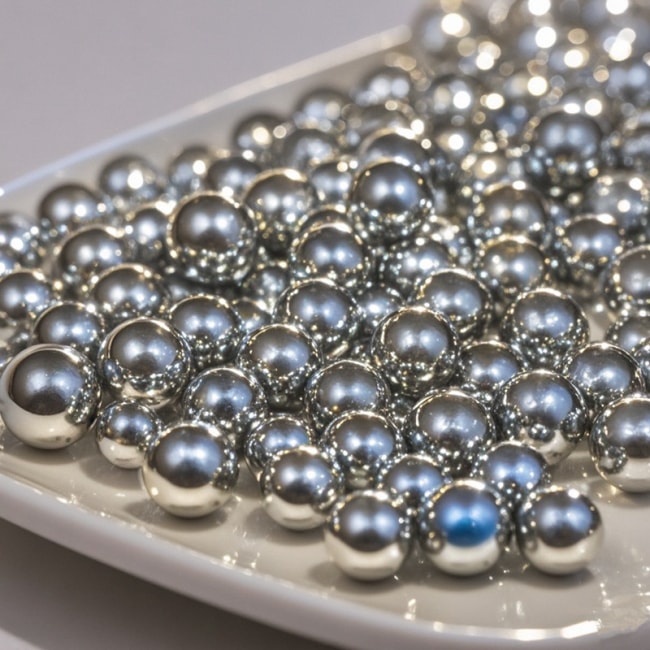
Global Market Hollow Stainless Steel Decor Balls Guide
For buyers in the Global Market, hollow stainless steel decorative balls are usually selected by diameter, wall thickness, material grade, surface finish, welding quality, packaging method, and export reliability. The most common applications include guardrail caps, architectural decoration, garden spheres, commercial displays, hotel interiors, public art, stair components, furniture accents, bollard tops, and custom design installations.A practical purchase specification should include the outer diameter, tolerance expectation, wall thickness, stainless steel grade, surface finish, plating color if required, seam treatment, whether holes or threaded inserts are needed, packing requirements, inspection standards, target Incoterms, and annual demand. For large-volume wholesale projects, buyers should also confirm mold availability, polishing capacity, welding consistency, export packaging, and the supplier’s ability to support mixed sizes in one shipment.In global sourcing hubs such as Shanghai, Qingdao, Ningbo, Shenzhen, Busan, Rotterdam, Hamburg, Los Angeles, Dubai, and Singapore, decorative hollow metal spheres are traded as both standard components and customized architectural parts. The key to successful procurement is not only comparing unit price, but also verifying whether the supplier can maintain consistent appearance, strong seam integrity, accurate dimensions, and reliable logistics for repeated orders.SDBALLS Industry Corp supports global buyers as a steel ball manufacturer and integrated sphere supply partner. With decades of steel ball manufacturing experience, quality system discipline, and international sales support, the company helps buyers consolidate sourcing for stainless steel balls and related multi-material sphere products used in industrial, decorative, and commercial projects.Buying FactorStandard OptionPremium OptionStandard VS PremiumBuyer RecommendationDiameterSmall to medium decorative sizesLarge architectural spheresSmall sizes are easier to stock VS large sizes need stronger packagingConfirm final use before choosing diameterWall ThicknessLight decorative thicknessHeavier structural thicknessLightweight saves cost VS thicker wall improves durabilityUse thicker walls for outdoor or public areasMaterial Grade201 or 304 stainless steel316 stainless steel304 is versatile VS 316 is better for coastal environmentsChoose 316 for marine or high-corrosion locationsFinishBrushed or general polishedMirror polish, titanium gold, rose goldGeneral finish is economical VS premium finish improves visual valueRequest finish samples before bulk productionSeam TreatmentVisible or semi-polished seamFully polished invisible seamVisible seam lowers cost VS invisible seam supports luxury projectsSpecify seam visibility clearly in drawingsPackagingCarton and foamCustom crate, pallet, reinforced export packingBasic packing suits small balls VS crates protect large spheresUse reinforced packing for sea freightThis table shows that the best option depends on the project environment and visual expectation. A shopping mall installation in Dubai, a hotel lobby in Singapore, and a public guardrail project in Hamburg may all use hollow stainless steel balls, but each project may require different grades, surface finishes, and packaging strategies.Hollow stainless steel balls are normally made by forming two hemispheres, welding them together, grinding the weld line, and polishing the complete sphere. The size range can vary widely, from small decorative balls used for furniture and railings to large-diameter spheres used in landscaping, public art, and commercial architecture.Common diameters include 25 mm, 38 mm, 50 mm, 63 mm, 76 mm, 89 mm, 100 mm, 120 mm, 150 mm, 200 mm, 300 mm, 500 mm, 800 mm, and larger custom dimensions. Small and medium balls are often used for guardrail, stair, curtain rod, furniture, and hardware decoration. Large hollow spheres are used for garden sculptures, outdoor plazas, hotel entrances, theme parks, and visual merchandising.Wall thickness affects weight, handling, strength, deformation resistance, and price. For indoor decoration, a thinner wall may be enough if the sphere is not load-bearing. For outdoor use, public environments, or balls installed where people may touch or impact them, thicker stainless steel is usually safer. For very large spheres, internal support, reinforced welding, or custom fabrication may be required.Material grade is another important decision. 201 stainless steel is cost-effective for dry indoor decorative use, but it is less corrosion resistant than 304. 304 stainless steel is widely used for general architectural decoration, guardrails, and commercial interiors. 316 stainless steel provides stronger corrosion resistance, especially in coastal markets such as Miami, Sydney, Singapore, Jeddah, Barcelona, and Cape Town, where humidity and salt exposure are major concerns.Material GradeMain AdvantageTypical Use304 VS 316 or 201 VS 304Procurement Note201 Stainless SteelLower material costIndoor displays and light decoration201 is cheaper VS 304 is more corrosion resistantUse only in dry, low-corrosion environments304 Stainless SteelBalanced corrosion resistance and priceGuardrails, hotels, shopping malls, furniture304 is general-purpose VS 316 is more marine-resistantBest default choice for most projects316 Stainless SteelEnhanced resistance to chloride corrosionCoastal buildings, outdoor art, marine locations316 costs more VS 304 is more economicalRecommended for salty or humid environmentsPolished 304Bright appearance with good durabilityDecorative balls and railing capsPolished 304 is durable VS plated finish is more colorfulCheck mirror quality under strong lightingPlated Stainless SteelColor design flexibilityLuxury interiors and retail displaysPlating improves color VS raw stainless is simpler to maintainConfirm coating adhesion and color toleranceCustom Alloy OptionProject-specific performanceSpecial engineering and design projectsCustom grade offers precision VS standard grade lowers lead timeShare drawings and environmental conditions earlyThe table helps buyers compare stainless steel grades based on use conditions. A private villa interior in Paris may select polished 304 for appearance, while a beachfront resort project in Phuket may choose 316 to reduce corrosion risk. Buyers should avoid making decisions based only on price because material selection directly affects long-term performance.For thickness selection, buyers should consider diameter, installation method, impact risk, and whether the ball will be welded, drilled, mounted, or suspended. A hollow ball used as a railing ornament may need a pre-drilled hole, while a garden sphere may need a sealed body, drainage hole, or internal bracket. For wholesale projects, drawings should clearly identify hole diameter, hole location, thread size, insert type, and acceptable tolerance.Selecting a supplier for decorative hollow metal sphere wholesale requires more than finding a factory with a low quotation. Decorative spheres are appearance-sensitive products, and poor polishing, uneven welding, visible dents, weak packing, or unstable plating color can cause high rejection rates at destination. A qualified supplier should understand both metal fabrication and export project management.For the Global Market, buyers often compare suppliers from China, India, Vietnam, Turkey, Italy, and other metalworking regions. China remains a strong sourcing base because of its complete stainless steel supply chain, mature polishing workshops, efficient export ports, and flexible OEM production. Trade hubs such as Qingdao, Shanghai, Ningbo, Guangzhou, and Shenzhen provide convenient logistics for North America, Europe, the Middle East, Southeast Asia, and Latin America.A supplier evaluation should include business history, factory capability, sample quality, inspection process, export experience, communication speed, packaging design, and after-sales response. Buyers should request real production photos, videos, packing records, inspection reports, and product samples before placing a large order. For construction and decoration projects, it is also useful to test one small batch before confirming the full container shipment.Technological capability is important. SDBALLS has accumulated long-term knowledge in precision steel ball production, which supports disciplined control of roundness, surface consistency, and inspection culture. Although decorative hollow balls differ from high-precision bearing balls, the same mindset of material verification, process control, and quality traceability is valuable for global buyers seeking stable supply.Supplier CriterionReliable SupplierRisky SupplierReliable VS RiskyVerification MethodProduction ExperienceYears of metal sphere or ball productionOnly trading without technical supportExperienced suppliers solve problems VS weak suppliers transfer riskAsk for case photos and production recordsSample ConsistencySamples match bulk productionGood sample but poor mass goodsConsistent supplier protects projects VS inconsistent supplier causes claimsCompare sample and pre-shipment photosQuality ControlClear inspection stepsNo documented QC processDocumented QC reduces defects VS informal QC increases uncertaintyRequest inspection checklistExport PackagingDesigned for sea and air freightWeak cartons or poor palletsStrong packing prevents dents VS weak packing causes damageConfirm drop, compression, and pallet designCommunicationFast, technical, and documentedSlow or vague repliesClear communication avoids errors VS vague communication creates disputesReview quotation detail and drawing confirmationCompliance MindsetSupports certificates and traceabilityCannot provide material confirmationTraceability improves trust VS missing records increase riskAsk for material certificate when neededThis comparison shows that supplier selection is closely tied to risk control. In wholesale projects, a small difference in unit price may be less important than preventing finish defects, shipment delays, or packaging damage. Buyers serving architects, contractors, importers, or retail chains should build supplier partnerships based on repeatability and transparency.When reviewing suppliers online, buyers can visit product categories and capability pages. For example, global buyers may explore steel ball product options to understand the broader manufacturing scope of a supplier, and then discuss decorative hollow ball requirements separately with the sales team. A supplier with a broader ball manufacturing background may provide better support for multi-product procurement.Surface finish is one of the most visible quality factors for hollow stainless steel decorative balls. A mirror-polished ball reflects light, architecture, and surrounding colors, making it suitable for luxury interiors, commercial centers, public art, and high-end guardrails. However, mirror polishing requires careful grinding, buffing, and inspection because any seam mark, dent, scratch, or polishing wave can be easily noticed.Titanium gold plating is popular in hotels, restaurants, clubs, retail spaces, and premium home decoration. It gives stainless steel a warm gold tone without using solid precious metal. Rose gold plating provides a softer luxury style that is often selected for boutiques, cosmetic stores, jewelry displays, wedding decoration, and contemporary interiors. Black titanium, champagne gold, bronze, and custom PVD tones are also requested in some markets.For plated finishes, color control and surface preparation are critical. The stainless steel ball should be polished before plating because plating does not hide deep scratches or dents. Buyers should define color sample approval, acceptable color range, coating method, thickness expectation, and protection film requirements. For mixed-size orders, all sizes should be plated in controlled batches to reduce visible color differences.Mirror polishing and plating are not only aesthetic choices; they also affect maintenance. Mirror finish can show fingerprints, water marks, and scratches more easily than satin finish. Plated colors may require careful cleaning with non-abrasive materials. For public outdoor projects, buyers should ask whether the finish can resist ultraviolet exposure, rain, humidity, and frequent touching.Finish OptionVisual EffectBest ApplicationMirror VS Plated VS BrushedMaintenance AdviceMirror PolishingHighly reflective silver surfaceLuxury decoration, garden art, lobby spheresMirror is bright VS brushed is more subtleUse soft cloth and mild cleanerBrushed FinishLinear satin textureModern interiors and hand-touch areasBrushed hides fingerprints VS mirror shows reflectionsClean along the grain directionTitanium GoldWarm gold luxury toneHotels, clubs, premium guardrailsGold plating is decorative VS plain stainless is neutralAvoid abrasive polishing compoundsRose GoldSoft pink-gold appearanceBoutiques, cosmetics, event designRose gold is fashionable VS mirror silver is classicProtect during installationBlack TitaniumDark reflective modern surfaceRetail displays and contemporary architectureBlack titanium is bold VS brushed steel is conservativeConfirm scratch resistance for public useCustom Color PVDProject-specific colorBrand displays and private label projectsCustom color supports branding VS standard color reduces lead timeApprove master sample before productionThe table demonstrates how finish choice should match both design style and maintenance conditions. A mirror-polished stainless steel sphere may be ideal for a shopping mall atrium in Singapore, while brushed stainless may be better for a frequently touched railing system in London. Titanium gold or rose gold hollow balls can raise the perceived value of hospitality and retail spaces, but they need careful packing and installation protection.Buyers should also decide whether the seam must be invisible after polishing. For high-end decorative balls, the welded seam is normally ground and polished until it blends into the surrounding surface. For budget applications, a slight seam mark may be acceptable. The acceptance standard should be written into the purchase agreement to avoid disputes during inspection.OEM customization is common in decorative hollow stainless steel ball projects because designers, contractors, and importers often need specific dimensions, hole patterns, colors, logos, packaging, or installation accessories. Custom decorative balls may include drilled holes, threaded inserts, mounting plates, internal rods, hanging points, water drainage holes, laser marking, color plating, and custom cartons.Private label services are useful for wholesalers, hardware brands, garden decoration brands, architectural component distributors, and e-commerce sellers. Private label requirements may include branded outer cartons, barcode labels, product instruction sheets, protective bags, customized color labels, and mixed-size sets. For Amazon, retail chains, and regional distributors, packaging must balance visual branding with transport protection.Manufacturing capability matters when customization becomes complex. SDBALLS operates as a manufacturer with multiple production facilities and large annual capacity in steel ball categories. This manufacturing foundation, combined with integrated sourcing for related sphere materials, allows the company to support buyers who need both standard steel balls and customized decorative sphere solutions through one supply channel.For OEM projects, buyers should provide drawings in PDF, CAD, or clear dimensional sketches. Important information includes diameter, wall thickness, material grade, finish, hole size, hole position, welding requirement, tolerance, quantity, packaging, inspection level, and destination port. If the product is part of a larger assembly, the buyer should share installation drawings to prevent mismatch between the sphere and connected hardware.Custom tooling may be required for unusual diameters or shapes. If a size is already available from standard molds, lead time and cost can be reduced. If a new mold is needed, the supplier should confirm tooling cost, tooling ownership, sampling timeline, and expected lifespan. For large projects, tooling investment may be worthwhile because it improves consistency and lowers long-term unit cost.Quality control for welded hollow balls focuses on appearance, dimensions, material, welding strength, seam smoothness, polishing quality, plating quality, and packing integrity. Because hollow balls are often used as visible decorative elements, even small dents or scratches can affect customer acceptance. Therefore, inspection must begin from raw material and continue through forming, welding, grinding, polishing, cleaning, plating, and final packing.The welded seam is one of the most important inspection points. Poor welding can lead to cracks, uneven surfaces, weak joints, and visible lines after polishing. A good seam should be continuous, properly fused, and ground smoothly. For some applications, the ball only needs decorative integrity; for others, especially outdoor or public fixtures, stronger welding and better sealing may be necessary.Dimension inspection normally includes outer diameter, roundness, wall thickness, hole location, and overall visual symmetry. For mirror-polished products, surface inspection should be performed under adequate lighting from multiple angles. For plated balls, color consistency, coating adhesion, scratches, pinholes, and stains should be checked. If the balls are exported in bulk, random inspection should include unpacking tests to verify that packing prevents movement and surface contact damage.SDBALLS maintains a quality-focused culture supported by recognized management systems in its core steel ball production. Buyers can learn more about the company’s approach to inspection and technical standards through its quality and technical capability information. For decorative hollow balls, the same practical discipline can be applied to supplier qualification, pre-shipment inspection, and continuous improvement.QC MethodInspection TargetCommon DefectVisual Check VS Technical CheckRecommended ActionRaw Material CheckStainless grade and sheet conditionWrong grade or surface defectsVisual check finds scratches VS certificate confirms gradeRequest material confirmation for critical ordersWeld InspectionSeam continuity and strengthCrack, hole, uneven weldingVisual seam check is basic VS pressure or leak test is deeperDefine seam acceptance standardDimension CheckDiameter, hole, roundnessSize deviation or off-center holeManual gauge is fast VS fixture check improves repeatabilityInspect samples before mass productionPolishing InspectionSurface brightness and smoothnessScratch, wave, burn markEye inspection is practical VS gloss meter is more objectiveUse approved finish samplePlating InspectionColor and coating adhesionColor difference, peeling, stainColor visual check is common VS adhesion test adds assuranceApprove color range and protect surfacePacking InspectionProtection during shipmentDent, abrasion, carton collapseOuter check is limited VS unpacking test confirms protectionUse foam, bags, dividers, and palletsThis table explains why hollow ball quality control must combine visual review with technical confirmation. A product can look acceptable in a low-resolution photo but still have hidden seam weakness, off-center holes, or packaging risk. For high-value projects, third-party inspection or video inspection before shipment can reduce uncertainty.Buyers should create an approval process: confirm sample, approve finish, confirm drawings, start pilot batch, inspect pilot batch, then proceed to mass production. This workflow is especially important for custom rose gold plating, very large mirror balls, and decorative balls used in public architecture.Bulk pricing for hollow stainless steel decorative balls is influenced by diameter, wall thickness, material grade, surface finish, welding complexity, polishing level, custom holes, plating color, packaging requirement, order quantity, and shipment method. Large balls consume more material and occupy more shipping volume, while small balls may be easier to produce in high quantities but still require labor for polishing and packing.MOQ flexibility depends on whether the size is standard or customized. Standard sizes may allow smaller trial orders, while custom sizes, special plating, or private label packaging may require higher MOQ. For buyers entering a new market, a mixed-size trial order can help test demand before committing to a full container. For established wholesalers, annual forecast orders can support better pricing and production planning.Volume-based discounts are usually structured by quantity tier, total order value, or annual purchase agreement. A buyer purchasing 500 pieces of one size may receive better pricing than a buyer purchasing 500 pieces split across many sizes and finishes. However, mixed containers can still be economical when planned carefully, especially for distributors serving multiple cities or retail channels.For global importers, total landed cost is more important than unit price. Landed cost includes product price, packaging cost, inland transport, export charges, sea freight or air freight, insurance, customs duty, port charges, local delivery, and possible damage loss. A slightly higher factory price with stronger packaging and reliable delivery may result in lower total cost after arrival.Pricing FactorLower-Cost ScenarioHigher-Cost ScenarioLow Cost VS High ValueBuyer StrategyOrder QuantityLarge repeated volumeSmall trial orderBulk order lowers unit cost VS trial order lowers market riskStart with trial, then negotiate annual pricingMaterial Grade201 or standard 304316 stainless steelLower grade saves cost VS 316 improves corrosion resistanceMatch grade to environmentFinishGeneral polishMirror polish or PVD platingBasic finish saves money VS premium finish increases selling valueUse premium finish for visible projectsCustomizationNo holes or standard holeMultiple holes, inserts, special logoStandard part is cheaper VS custom part improves fitConsolidate custom requirements in one drawingPackagingBasic cartonReinforced crate and palletBasic packing is cheaper VS strong packing prevents lossDo not under-pack large mirror ballsShipmentSea freight full containerAir freight or urgent shipmentSea freight lowers cost VS air freight saves timePlan production and shipping earlyThis pricing comparison shows that purchasing decisions should consider commercial strategy. A wholesaler in Los Angeles may prefer full-container pricing to serve a nationwide distribution network, while a boutique design studio in Milan may accept a higher unit price for a small batch of rose gold spheres. The right model depends on sales channel, project urgency, and finish expectation.Buyers should ask suppliers to quote by quantity tier, such as 100 pieces, 500 pieces, 1,000 pieces, and container quantity. They should also request separate pricing for standard finish and premium finish. This makes it easier to compare true cost drivers and choose the best mix for market demand.Packaging is critical for hollow stainless steel balls because the products are light relative to their volume, but their polished surfaces are easily damaged by impact, vibration, and friction. Mirror-polished and plated balls require individual protection. Large-diameter spheres require reinforced cartons, foam supports, wooden crates, or custom pallets to prevent dents during sea freight.For small and medium balls, common packaging includes poly bags, soft wrapping, foam dividers, inner boxes, export cartons, and pallets. For large balls, packaging may include custom foam molds, EPE protection, corrugated cartons, plywood crates, stretch film, corner protection, and anti-moisture measures. If the balls are nested or packed together, the supplier must ensure that surfaces do not rub against each other.Export logistics should be planned according to destination. From Qingdao Port, Shanghai Port, and Ningbo Port, shipments can reach major destinations such as Los Angeles, Long Beach, Vancouver, Rotterdam, Hamburg, Felixstowe, Jebel Ali, Singapore, Melbourne, and Santos. Large hollow spheres may have high volumetric shipping cost, so container loading optimization is important.For urgent samples, air freight through Shanghai Pudong, Qingdao Jiaodong, Beijing, Guangzhou, or Hong Kong may be practical. For bulk orders, sea freight is normally more economical. Buyers should confirm Incoterms such as EXW, FOB, CIF, DAP, or DDP depending on their import experience and local customs capability.Packaging should be tested and documented before shipment. Photos of inner packing, outer packing, pallet condition, crate marking, shipping marks, and loading should be shared with the buyer. For large public art or architectural projects, each ball may need a unique item number corresponding to installation drawings.SDBALLS Industry Corp, also known as Shandong SDBALLS Industry Corp Ltd., is based in Tai’an City, Shandong Province, China. Since 1996, the company has built long-term manufacturing experience in steel balls and related sphere supply. Its core products include carbon steel balls, chrome steel balls, and stainless steel balls, with grades serving precision bearing, automotive, hardware, grinding, and mechanical applications.In manufacturing capability, SDBALLS operates multiple production facilities and supports large annual output for steel ball categories. This production background gives the company strong familiarity with material control, process consistency, surface treatment, inspection, and batch management. For buyers of decorative hollow stainless steel balls, such manufacturing discipline supports better communication around tolerance, finish, grade, and quality requirements.In technological capability, the company’s experience with precision steel balls from G10 to G1000 helps shape a quality-oriented production culture. Even when supplying decorative hollow metal spheres, buyers benefit from a team that understands the importance of roundness, surface integrity, controlled processes, and repeatable inspection. The company also supports related sphere sourcing across materials such as plastic, glass, ceramic, copper, and aluminum, helping buyers consolidate multi-material procurement.In service capability, SDBALLS supports global customers in more than 50 countries with international sales communication, flexible sourcing support, and export coordination. The company serves industries including mechanical systems, caster wheels, sliding systems, ball transfer units, bearing applications, automotive parts, outdoor equipment, hardware, and decorative projects. Buyers can learn more about the company background through the SDBALLS company overview.The company also provides application-based support. For buyers who need spheres for guardrails, decoration, industrial systems, or custom assemblies, reviewing steel ball and sphere application examples can help clarify suitable product types and performance requirements. This application-driven approach is useful for global importers who purchase across multiple product categories.What is the best stainless steel grade for decorative hollow balls? For most indoor and general architectural projects, 304 stainless steel is the most balanced option. For coastal, marine, humid, or high-corrosion environments, 316 stainless steel is recommended. For dry indoor decoration where budget is the main concern, 201 may be considered, but it is not the best choice for long-term outdoor performance.Can hollow stainless steel balls be used outdoors? Yes, they can be used outdoors if the correct material, thickness, welding quality, and finish are selected. Outdoor projects should consider rain, sunlight, pollution, salt air, impact, and cleaning methods. Large outdoor spheres should use strong packaging during transport and secure installation hardware on site.Is mirror polishing better than brushed finish? Mirror polishing provides a bright, reflective, luxury appearance, while brushed finish gives a softer and more modern texture. Mirror finish is more visually impressive but shows fingerprints and scratches more easily. Brushed finish is often better for hand-contact areas.Can titanium gold and rose gold hollow balls be customized? Yes. Titanium gold, rose gold, black titanium, champagne, bronze, and other PVD-style colors can be customized depending on material, surface preparation, order quantity, and color sample approval. Buyers should approve a master sample before mass production.How can buyers check welded seam quality? Buyers should inspect whether the seam is continuous, smooth, crack-free, and properly polished. For high-end appearance, the seam should be nearly invisible after polishing. For stronger requirements, additional testing or stricter inspection can be agreed before production.What information is needed for a quotation? A complete inquiry should include diameter, wall thickness, material grade, finish, quantity, hole requirements, drawing, packaging, destination port, Incoterms, and target delivery time. If the order is for a project, installation drawings and acceptance standards should also be shared.What is the typical MOQ? MOQ depends on size, finish, and customization. Standard sizes may support lower trial quantities, while custom sizes, special plating, private label packaging, or new tooling usually require higher MOQ. Buyers can request flexible MOQ for market testing.How are large hollow balls shipped? Large hollow balls are usually shipped by sea freight with reinforced cartons, foam, wooden crates, or pallets. Because they occupy significant volume, container loading design is important. Air freight is possible for urgent samples but costly for large quantities.Can one supplier provide different sphere materials? Yes, an integrated supply partner can help source stainless steel, carbon steel, chrome steel, plastic, glass, ceramic, copper, and aluminum spheres. This is useful for global buyers who want to reduce supplier management complexity.What trends will shape the market in 2026? In 2026, the hollow stainless steel decorative ball market will be influenced by sustainable materials, more efficient polishing processes, lower-waste packaging, digital inspection records, project-based customization, and stronger traceability expectations. Buyers in Europe, North America, the Middle East, and Asia-Pacific are increasingly asking for stable quality, recyclable packaging, responsible sourcing, and reliable documentation. Decorative metal sphere projects will also follow trends in smart architecture, luxury retail design, public space renewal, and durable outdoor urban furniture.For the Global Market, the best purchasing strategy is to define the application first, choose the correct material and finish, verify supplier capability, approve samples, control seam and surface quality, and use export packaging designed for the actual shipping route. With the right supplier partnership, hollow stainless steel decorative balls can deliver strong visual impact, reliable durability, and profitable wholesale value across architectural, retail, landscaping, and guardrail supply channels.