
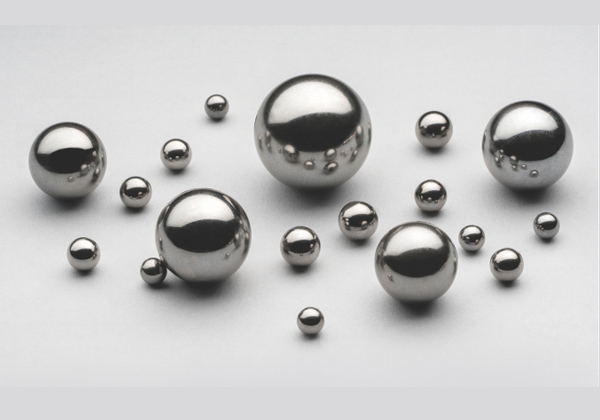
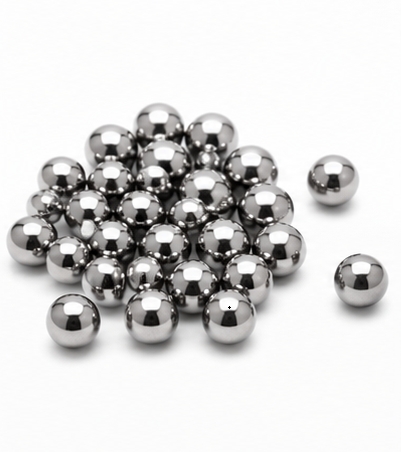
AISI 1010/1015 Low Carbon Steel Balls – Case-Hardened Carbon Steel Balls
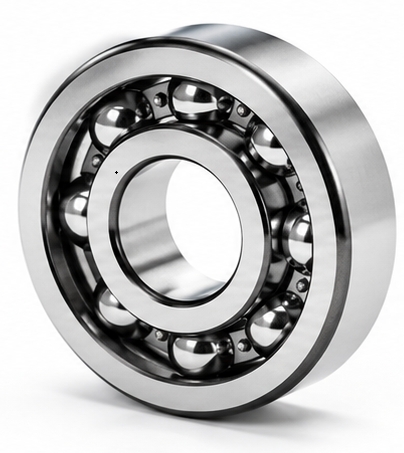
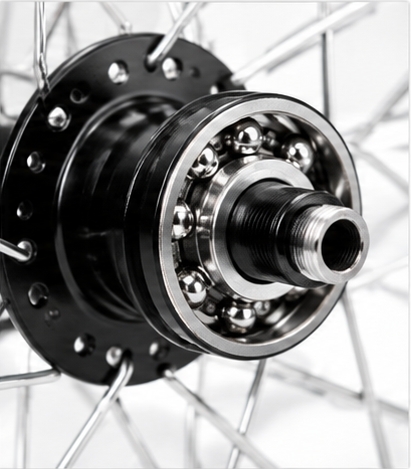
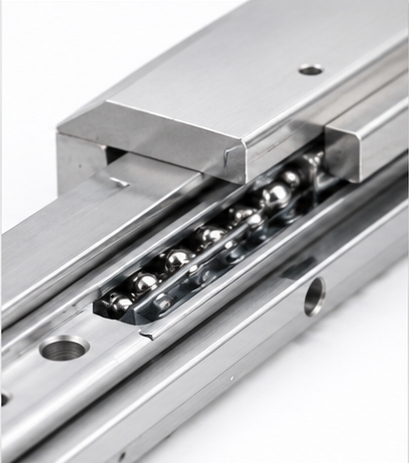
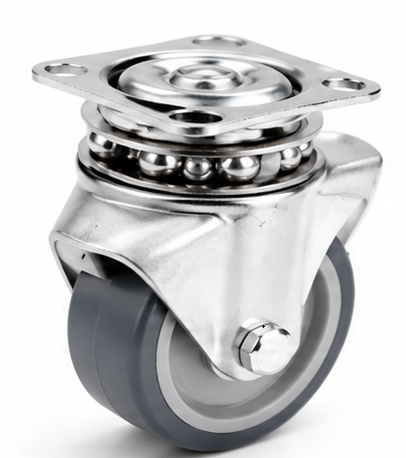
AISI 1010/1015 Low Carbon Steel Balls are case-hardened carbon steel balls designed for cost-effective semi-precision mechanisms where a hard wear-resistant surface and a tougher low-carbon core are required. They are commonly used in drawer slides, furniture rails, castors, locks, oilers, greasers, bicycles, skates, conveyors, semi-precision rolling components, and tumble finishing applications.
SDBALLS supplies AISI 1010 and AISI 1015 low carbon steel balls in metric and inch sizes from 0.5 mm to 50.8 mm, with common precision grades including G80, G100, G200, G500, G1000 and G2000. Standard case-hardened surface hardness is typically HRC 55-65, with case depth and surface finish confirmed according to ball diameter and application requirements.
| Artículo | Recommended Page Content |
| Nombre del producto | Case-hardened / carburized low carbon steel balls |
| Material | AISI 1010 / AISI 1015 low carbon steel |
| Diameter Range | 0.5 mm – 50.8 mm |
| Grados de precisión | G80, G100, G200, G500, G1000, G2000 |
| Dureza | Typically HRC 55-65 |
| Aplicaciones típicas | Drawer slides, furniture rails, castors, locks, oilers, greasers, bicycles, skates, conveyors, semi-precision rolling components, tumble finishing |
Comparte este producto
Descripción general del producto
AISI 1010/1015 Low Carbon Steel Balls are economical case-hardened carbon steel balls produced for semi-precision mechanical applications. Compared with soft unhardened carbon steel balls, these balls have a hardened outer layer created by carburizing and heat treatment. Compared with through-hardened chrome steel or high carbon steel balls, they offer a more cost-effective choice for moderate-load, low-to-medium speed applications where corrosion resistance is not the main requirement.
For buyers, the key value is practical durability: the surface provides wear resistance while the low-carbon core helps maintain toughness. This makes the product suitable for high-volume industrial hardware, furniture mechanisms, rolling systems, and general mechanical assemblies.
Material Selection & Technical Positioning
AISI 1010 and AISI 1015 are low carbon steels selected when manufacturers need a formable steel ball blank that can be case hardened to improve surface wear resistance. The material should not be described as stainless or corrosion-resistant. If the working environment is humid, outdoor, marine, acidic, alkaline, or food-contact, SDBALLS should recommend stainless steel balls, plated steel balls, or other material alternatives according to the application.
The correct industry terminology includes: low carbon steel balls, AISI 1010 steel balls, AISI 1015 steel balls, case-hardened carbon steel balls, carburized steel balls, and cemented carbon steel balls.
Especificaciones técnicas
| Specification Item | Typical Reference |
| Material Grade | AISI 1010 / AISI 1015 |
| Material Family | Low carbon steel |
| Heat Treatment Type | Carburized and case hardened |
| Standard Diameter Range | 0.5 mm – 50.8 mm; other sizes subject to production confirmation |
| Common Grades | G80 / G100 / G200 / G500 / G1000 / G2000,selected according to application and cost target |
| Dureza superficial | Typical surface hardness HRC 55-65 after case hardening |
| Density Reference | Approx. 7.82 g/cm3 |
| Magnetismo | Magnetic |
| Supply Form | Finished steel balls, plain/oiled/plated/polished according to order requirements |
| Core Structure | Lower-carbon core with better toughness than through-hardened high-carbon steel |
| Resistencia a la corrosión | Not corrosion resistant; oiling, plating or stainless alternatives may be considered when rust protection is required |
| Acabado superficial | Plain, polished, oiled, zinc plated, nickel plated, chrome plated, copper plated, or other finishes upon request |
Chemical Composition Reference
| Calificación | Fe | C % | Si % | Mn % | P % | S % |
| AISI 1010 | Balance | 0.08-0.13 | 0.15-0.35 | 0.30-0.60 | 0,040 máximo | 0,050 máximo |
| AISI 1015 | Balance | 0.12-0.18 | 0.15-0.35 | 0.30-0.60 | 0,040 máximo | 0,050 máximo |
Note: Composition ranges are reference values. Final specification should follow the agreed material standard, drawing, sample approval and purchase order requirements.
Heat Treatment, Hardness & Performance
AISI 1010/1015 low carbon steel balls are typically carburized and case hardened. This process creates a hard wear-resistant surface while keeping a lower-carbon core with better toughness than fully through-hardened high-carbon steel. For procurement and engineering approval, buyers should confirm not only the surface hardness but also whether case depth, core hardness or a specific hardness band is required.
| Performance Item | Practical Guidance |
| Dureza superficial | Typically HRC 55-65 after case hardening |
| Case Depth | Depends on ball diameter and customer specification; confirm when wear life or load condition is critical |
| Core Characteristic | Lower-carbon core improves toughness compared with fully hardened high-carbon alternatives |
| Best Operating Fit | Moderate load, low-to-medium speed, cost-sensitive semi-precision mechanisms |
| Not Recommended For | High-speed fatigue-critical bearings, strong corrosion exposure, or applications requiring stainless performance |
Key Benefits for Buyers
• Lower cost than chrome steel balls for many semi-precision applications.
• Hardened surface for wear resistance in rolling and sliding contact.
• Tougher low-carbon core compared with fully through-hardened high-carbon alternatives.
• Broad size range for global OEM, distributor and maintenance requirements.
• Suitable for both metric and inch specification systems.
• Magnetic material, convenient for handling, sorting and assembly.
• Available with oil protection, polishing, plating or customized packing when required.
Applications & Application Fit
AISI 1010/1015 case-hardened low carbon steel balls are widely used in drawer slides, furniture rails, castors, locks, oilers, greasers, bicycles, skates, material handling conveyors, semi-precision rolling elements, and tumble finishing media. They are best used where the operating condition is moderate-load and low-to-medium speed.
| Solicitud | Fit Level | Why It Fits | Buyer Note |
| Drawer slides / furniture rails | Very good | Cost-effective wear surface and stable rolling motion | Confirm grade and noise/smoothness requirement |
| Castors and rollers | Very good | Case-hardened surface supports repeated rolling contact | Confirm load and lubrication condition |
| Locks / detent mechanisms | Bien | Magnetic steel and hardened surface suitable for common hardware | Confirm size tolerance and surface finish |
| Bicycles / skates / semi-precision bearings | Good for standard grades | Common in non-critical semi-precision applications | Use chrome steel balls for higher speed/fatigue performance |
| Conveyors and material handling | Bien | Economical ball choice for moderate industrial mechanisms | Confirm wear, load and environmental exposure |
| Tumble finishing / polishing media | Application-dependent | Steel media can be used in some finishing processes | Confirm contamination, rust and surface finish requirements |
| Outdoor / wet / corrosive environment | Limited | Low carbon steel is not corrosion resistant | Consider plating or stainless steel alternatives |
Material Selection Guide
| Material Option | Typical Strength | Limitation | When to Recommend |
| AISI 1010/1015 low carbon steel balls | Economical, case-hardened surface, broad general use | Not corrosion resistant; not for highest bearing fatigue demand | Drawer slides, castors, locks, conveyors, semi-precision mechanisms |
| AISI 1085 high carbon steel balls | Through-hardened, higher wear resistance | Less tough core; higher cost than low carbon in many commodity uses | Higher-load commercial mechanisms and harder steel ball requirements |
| AISI 52100 chrome steel balls | High precision, high hardness, strong bearing performance | Higher cost; may be over-specified for simple hardware | Bearings, motors, precision rolling assemblies |
| Stainless steel balls | Corrosion resistance and clean appearance | Higher cost; grade must match corrosion and hardness needs | Wet, food-contact, chemical, marine or hygiene-sensitive applications |
Manufacturing & Process Control
SDBALLS controls low carbon steel ball production through raw material selection, wire drawing, cold heading, flashing, carburizing / case hardening, grinding or lapping when required, polishing, cleaning, rust-preventive oiling, inspection and packing.
| Process Step | Purpose |
| Raw material & wire drawing | Select low carbon steel wire and draw to the required diameter range for stable forming. |
| Cold heading / forming | Form ball blanks from wire or bar stock according to size and material requirements. |
| Flashing | Remove heading marks and improve spherical shape before further processing. |
| Carburizing / case hardening | Build a hardened surface layer and control surface hardness according to ball size and order requirement. |
| Grinding / lapping / polishing | Improve grade, roundness, size consistency and surface finish where required. |
| Cleaning / oiling / plating | Apply rust-preventive oil or optional plating depending on order specification. |
| Final inspection & packing | Check dimensional, surface, hardness and packing requirements before shipment. |
Quality Control & Inspection
Typical inspection items include diameter, grade, roundness, surface appearance, hardness, case depth when specified, material confirmation, rust-preventive condition and packing condition. For OEM projects, SDBALLS can discuss sample approval, inspection reports, PPAP-style documentation, third-party testing, RoHS requests and customized labeling.
• Diameter and grade conformance according to agreed precision grade.
• Roundness and surface appearance inspection for rolling and sliding performance.
• Hardness verification after case hardening, typically HRC 55-65.
• Case depth confirmation when specified by drawing, sample or application requirement.
• Material and batch traceability according to purchase order requirements.
• Packing inspection for export shipment, storage and customer handling needs.
Packing Options
Packing can be selected according to shipment volume, handling method, storage condition and customer labeling needs. Standard export options include bulk bags, cartons, pails, drums and palletized packing. For distributor or OEM supply, customized labels can include product name, material, size, grade, batch number, quantity and customer part number.
How to Specify for Quotation
To quote accurately, please confirm: material grade (AISI 1010 or AISI 1015), diameter in mm or inch, precision grade, required hardness, case depth if critical, surface finish, anti-rust requirement, plating requirement, quantity, packing method, target application, inspection documents, destination port and trade term.
For replacement projects, buyers are encouraged to provide drawings, current supplier specification sheets, photos, samples, hardness requirements and working environment details.
Technical FAQ
Q: What is the difference between AISI 1010 and AISI 1015 low carbon steel balls?
A: Both are low carbon steel grades. AISI 1015 generally has slightly higher carbon content than AISI 1010. For most semi-precision hardware applications, both can be specified as AISI 1010/1015 low carbon steel balls unless the buyer has a strict drawing or material requirement.
Q: Are these balls soft or hardened?
A: This page is for case-hardened / carburized low carbon steel balls. The surface is hardened, typically HRC 55-65, while the core remains tougher and lower in carbon. Soft unhardened balls should be listed and quoted separately.
Q: Are AISI 1010/1015 low carbon steel balls corrosion resistant?
A: No. Low carbon steel is not corrosion resistant. For rust-sensitive applications, buyers should consider oil protection, zinc/nickel/chrome plating, or stainless steel balls such as AISI 304, 316, 420C or 440C depending on the environment.
Q: What grades are available?
A: Common grades include G80, G100, G200, G500, G1000 and G2000. The most suitable grade depends on the application, required smoothness, load, motion type and target cost.
Q: What hardness can SDBALLS supply?
A: The standard case-hardened surface hardness is typically HRC 55-65. If case depth, core hardness or a narrower hardness range is critical, please confirm it before quotation and sample approval.
Q: Can these balls be plated?
A: Yes. Depending on the project, low carbon steel balls can be supplied plain, polished, oiled, zinc plated, nickel plated, chrome plated, copper plated or with other surface treatments. Plating thickness and final diameter tolerance should be confirmed before production.
Q: Can AISI 1010/1015 balls replace chrome steel balls?
A: Only in suitable applications. AISI 1010/1015 low carbon steel balls are economical for moderate-load, semi-precision use. For high-speed, high-fatigue or precision bearing applications, AISI 52100 chrome steel balls are usually more appropriate.
Q: What information is needed for a quotation?
A: Please provide material grade, diameter, precision grade, hardness, case depth if required, surface finish, quantity, packing, application, inspection document requirement, destination and trade term.
Solicitud de programación
Contáctanos hoy para cualquier servicio. (*) Indica campos obligatorios.