Non-Lead Steel Shot for European Markets: Understanding C.I.P. Standards and Material Requirements
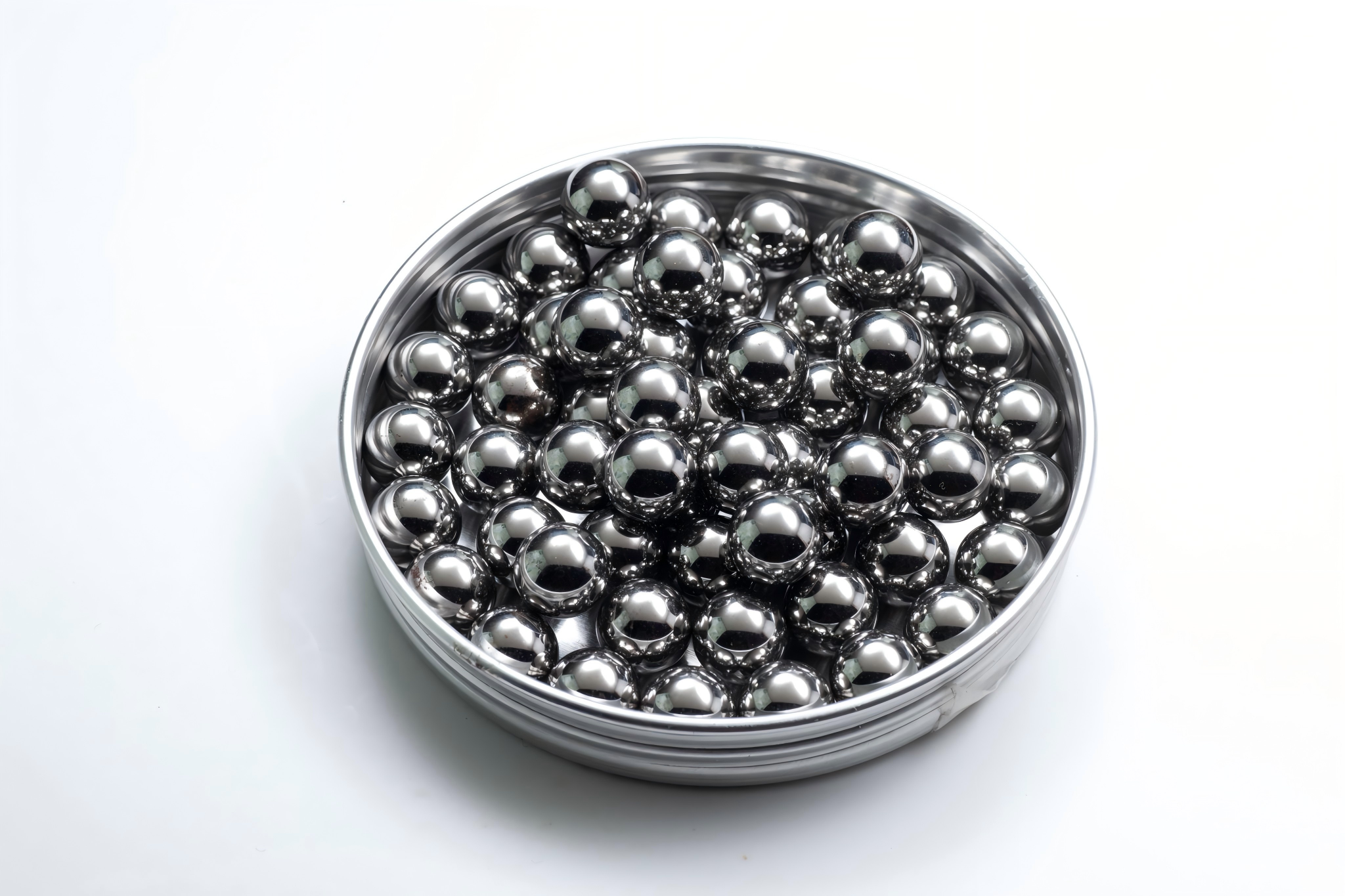
A practical overview of non-lead materials, European market expectations and the importance of accurate technical documentation.
Introduction
Across Europe, the discussion surrounding non-lead materials has become increasingly important for manufacturers, distributors and industrial material suppliers.
For businesses involved in steel shot sourcing, the conversation extends beyond replacing one material with another. Buyers must also consider material composition, technical specifications, applicable industry standards and the reliability of supporting documentation.
Among the references frequently discussed in the European market is the C.I.P. framework, which establishes common rules for the proof testing of firearms and ammunition in its member states.
Understanding the relationship between non-lead materials, C.I.P. requirements and environmental considerations helps buyers make more informed sourcing decisions.
1. What Does Non-Lead Steel Shot Mean?
Non-lead steel shot generally refers to spherical steel products manufactured as an alternative to traditional lead-based shot.
The expressions “non-lead” and “lead-free” are commonly used in commercial discussions. However, these terms should be interpreted within a clearly defined technical context.
For professional procurement, material descriptions should be supported by relevant information, which may include:
- Material composition and grade
- Applicable chemical composition requirements
- Product dimensional characteristics
- Hardness and surface condition
- Material declarations or relevant inspection records
A non-lead designation identifies a material characteristic. It does not independently establish the environmental performance or regulatory approval of a finished product.
2. Why Is Non-Lead Material Important in the European Market?
Environmental protection and the management of substances of concern have influenced material selection across a number of European industries.
Lead has received particular attention because of its potential effects on human health and the environment.
Consequently, alternative materials have become an important subject of research, procurement discussions and regulatory evaluation.
Steel is one of the materials considered in non-lead shot applications.
Nevertheless, substituting steel for lead should not automatically be presented as proof of overall environmental superiority.
The environmental performance of a material depends on multiple factors, including production processes, transportation, intended use and end-of-life management.
For European buyers, responsible sourcing therefore involves both an understanding of the material and an accurate interpretation of applicable regulations.
3. Understanding the C.I.P. Framework
The Commission Internationale Permanente pour l’Épreuve des Armes à Feu Portatives, commonly known as C.I.P., is an international organization responsible for establishing common proof-testing rules for firearms and ammunition among its member states.
The C.I.P. framework includes provisions relevant to steel-shot ammunition.
However, it is important to distinguish between three different aspects:
Material specifications
These describe the physical and chemical characteristics of individual components, such as steel shot.
Component inspection
This may involve evaluating material composition, hardness, dimensional characteristics or other agreed quality parameters.
Finished-product conformity
Applicable C.I.P. requirements concern the relevant firearms and ammunition products, including their prescribed testing, classification and marking.
Meeting a selected material specification does not, by itself, demonstrate that a finished ammunition product has obtained the required proof or approval.
For this reason, a supplier’s material inspection report should not be described as a C.I.P. certification unless a relevant certification has actually been issued.
4. Material Hardness and Technical Documentation
Hardness is one of the material characteristics that may require attention when reviewing steel shot specifications.
Different products and applications may involve different technical requirements.
For procurement and quality assurance purposes, buyers should clearly identify:
- The applicable product or material specification
- The hardness measurement method
- The required testing documentation
- The scope of any referenced C.I.P. provision
- The responsibility for finished-product testing and approval
Technical documentation should identify the product and inspection criteria to which its results apply.
A general statement about material hardness should not be interpreted as confirmation of compliance with all C.I.P. requirements.
Where C.I.P. conformity is relevant, buyers and manufacturers should consult the applicable official publications and competent proof authorities.
5. Environmental Claims: A Responsible Approach
Non-lead materials are often discussed in connection with environmental objectives.
However, expressions such as “environmentally friendly”, “non-toxic” or “zero environmental impact” can be misleading if they are not supported by appropriate evidence.
A more accurate approach is to describe the specific material characteristics and explain the scope of any available supporting information.
For example, identifying a product as steel-based describes its material composition but does not establish its complete environmental life-cycle impact.
Similarly, material recyclability and actual recycling outcomes should be treated as separate considerations.
SDBALLS supports accurate material communication and encourages customers to review environmental and regulatory claims in the context of their intended markets and applications.
6. How SDBALLS Supports International Steel Shot Sourcing
SDBALLS supplies steel balls, steel shot and other spherical material products to international B2B customers.
For non-lead steel shot sourcing projects, technical communication begins with understanding the buyer’s material specifications, quality requirements and intended purchasing scope.
Our team can discuss material selection, product characteristics and the availability of relevant inspection documentation according to the specific inquiry.
For European customers with C.I.P.-related requirements, we encourage clear identification of the applicable material specifications and the distinction between component information and finished-product conformity.
By focusing on accurate material information and effective supplier communication, SDBALLS aims to support dependable international sourcing relationships.
Learn more about our available products, material specifications and supply options:
Explore SDBALLS Steel Shot Products
7. Looking for a Non-Lead Steel Shot Supplier?
When evaluating non-lead steel shot for the European market, it is important to work with suppliers who understand the value of clear specifications and responsible technical documentation.
If your project involves non-lead steel shot, you can contact SDBALLS to discuss:
- Material and product specifications
- Quantity and supply requirements
- Inspection and documentation expectations
- Customer-defined technical requirements
Our team welcomes inquiries from European manufacturers, distributors and industrial buyers.
Contact SDBALLS – Request Product Information or a Quotation
Conclusione
Non-lead steel shot continues to be an important topic in European material sourcing discussions.
For buyers, understanding the difference between material composition, C.I.P. requirements and environmental claims is essential.
A sound procurement decision should be based on clearly defined specifications, reliable inspection information and an accurate understanding of the applicable regulatory framework.
At SDBALLS, we believe transparent material information and responsible technical communication are fundamental to long-term international supply relationships.
Technical and Regulatory Notice
This article is provided for general material and industry information only. It does not constitute a C.I.P. certification, product approval, environmental certification or legal determination of compliance. Applicable requirements should be verified against current official publications and competent authorities.
References
- C.I.P. — Permanent International Commission for the Proof of Small Arms: https://www.cip-bobp.org/en/cip
- C.I.P. — Proof Marks in Force: https://www.cip-bobp.org/en/proof-marks-in-force
- SDBALLS — Steel Shot Product Information: https://sdballs.com/steel-shot/

Informazioni sull'autore
Siamo SD Ball, un'azienda specializzata nella produzione di sfere d'acciaio di alta precisione per il mercato globale. Grazie a un'esperienza pluriennale, ci distinguiamo per processi produttivi avanzati, un rigoroso controllo qualità e soluzioni personalizzate a supporto di diverse applicazioni industriali. Dalla selezione dei materiali all'ispezione finale, garantiamo prodotti affidabili e prestazioni costanti, aiutando i nostri clienti a raggiungere maggiore efficienza, durata e qualità del prodotto.
Condividere
Categoria di prodotto
Articoli correlati
-
Sfere in acciaio al carbonio, in acciaio al cromo e in acciaio inossidabile
Le sfere in acciaio al carbonio, in acciaio al cromo e in acciaio inossidabile sono le tre categorie più comuni di sfere in acciaio. Questa guida aiuta gli acquirenti a comprenderne le differenze e a scegliere il materiale più adatto a ciascuna applicazione. -
Spiegazione delle classi di durezza delle sfere d'acciaio: G10, G100, G1000 e il loro significato.
La qualità delle sfere d'acciaio è una delle specifiche più importanti per gli acquirenti industriali. Questa guida spiega cosa significano G10, G100, G500 e G1000 e come scegliere la qualità corretta per la propria applicazione.