
-6.png)
-5.png)
-5.png)
-5.png)
-5.png)
Sfere in vetro borosilicato – Sfere di vetro di precisione ad elevata resistenza chimica e termica
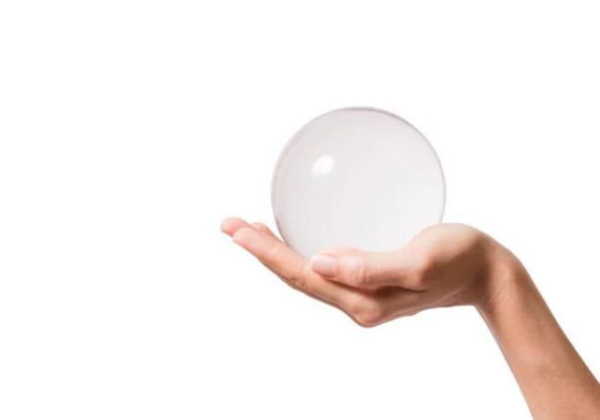
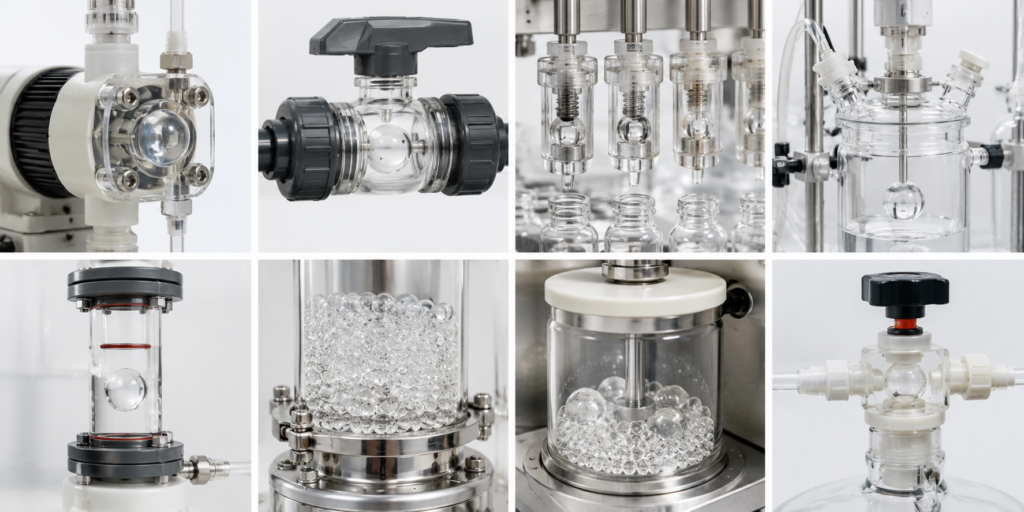
Le Sfere in Vetro Borosilicato sono sfere di precisione in vetro progettate per applicazioni chimicamente aggressive, termicamente impegnative, amagnetiche ed elettricamente isolanti. Rispetto alle sfere standard in vetro sodico-calcico, le sfere in vetro borosilicato offrono una maggiore resistenza allo shock termico e una migliore stabilità chimica, rendendole adatte per pompe dosatrici, valvole di ritegno, valvole a sfera, sistemi di dosaggio, attrezzature da laboratorio, componenti per l'erogazione di prodotti farmaceutici e cosmetici e applicazioni selezionate di macinazione o riempimento.
SDBALLS fornisce sfere trasparenti in vetro borosilicato in dimensioni da 2,0 mm a 100,00 mm, con gradi di precisione comuni quali G20, G40, G100, G200, G500 e G1000. Il materiale è amagnetico, resistente alla corrosione, elettricamente isolante e adatto per applicazioni dove l'ispezione visiva, la resistenza chimica e prestazioni stabili al variare della temperatura sono importanti.
| Articolo | Contenuto della pagina consigliato |
| Nome del prodotto | Sfere di precisione in vetro / sfere in vetro borosilicato |
| Materiale | Vetro borosilicato / vetro tecnico |
| Gamma di diametri | Da 2,0 mm a 100,00 mm |
| Gradi di precisione | G20, G40, G100, G200, G500, G1000 |
| Durezza | Mohs 6 valore di riferimento |
| Applicazioni tipiche | Pompe dosatrici, valvole di ritegno, valvole a sfera, sfere di dosaggio, sistemi di dosaggio, attrezzature da laboratorio, componenti per l'erogazione di prodotti farmaceutici e cosmetici, materiale di riempimento, mezzi di macinazione selezionati |
Condividi questo prodotto
Panoramica del prodotto
Le Sfere in Vetro Borosilicato sono sfere di precisione in vetro prodotte per applicazioni dove resistenza chimica, stabilità termica, prestazioni amagnetiche e chiarezza visiva sono più importanti della resistenza all'impatto simile al metallo o dell'elevata capacità di carico dei cuscinetti. Sono ampiamente utilizzate in apparecchiature per il controllo del flusso, dosaggio, laboratori, processi farmaceutici, cosmetici e industriali.
Rispetto alle sfere in vetro sodico-calcico, le sfere in vetro borosilicato offrono una migliore resistenza allo shock termico e una migliore durabilità chimica. Rispetto alle sfere in metallo, sono amagnetiche, elettricamente isolanti, resistenti alla corrosione e visivamente trasparenti. Rispetto alle sfere in plastica, forniscono maggiore durezza, migliore stabilità dimensionale a temperature elevate e migliore resistenza a molti fluidi aggressivi.
Selezione dei Materiali e Posizionamento Tecnico
Il vetro borosilicato è un vetro tecnico composto principalmente da silice e ossido di boro. La bassa espansione termica e l'elevata durabilità chimica del vetro borosilicato lo rendono una scelta preferita per ambienti di controllo fluidi e laboratori impegnativi, dove il vetro ordinario o le materie plastiche potrebbero deformarsi, rompersi, gonfiarsi o perdere stabilità.
Questo prodotto non dovrebbe essere posizionato come una sfera per cuscinetti ad alto carico o un sostituto del metallo resistente all'impatto. È meglio specificarlo quando l'acquirente necessita di resistenza alla corrosione, resistenza allo shock termico, isolamento elettrico, comportamento amagnetico, aspetto trasparente e prestazioni prevedibili in valvole, pompe, sistemi di dosaggio e gruppi di processo.
Specifiche tecniche
| Proprietà | Contenuto Tipico / Raccomandato |
| Gamma di diametri | Da 2,0 mm a 100,00 mm; altre dimensioni soggette a conferma di produzione |
| Grado di precisione | G20, G40, G100, G200, G500, G1000; selezionati in base all'applicazione e all'obiettivo di costo |
| Durezza | Mohs 6 |
| Densità | Circa 2,2-2,3 g/cm3 |
| Modulo di Young | Intervallo di riferimento di circa 60-65 GPa |
| Magnetismo | Non magnetico |
| Colore | Trasparente / limpido |
| Resistenza all'Usura | Da discreta a buona, a seconda dei fluidi e del carico |
| Comportamento elettrico | Eccellente isolante elettrico |
| Resistenza chimica | Eccellente resistenza alla corrosione e alla maggior parte degli acidi; la compatibilità chimica deve essere confermata per il fluido effettivo |
| Prestazioni termiche | Elevata resistenza allo shock termico; adatto per applicazioni a temperature elevate entro i limiti di lavoro confermati |
| Finitura superficiale | Lucidato o finito di precisione in base al grado e all'applicazione |
Riferimento composizione chimica
La composizione chimica del vetro borosilicato può variare in base alla formulazione e allo standard del fornitore. La tabella seguente indica un intervallo di riferimento per la comunicazione tecnica e di approvvigionamento. La specifica materiale finale deve seguire l'ordine di acquisto, il disegno, il campione approvato o il rapporto di prova concordati.
| Componente | Intervallo di riferimento |
| SiO₂ | 65.00-85.00 % |
| B₂O₃ | 8.00-15.00 % |
| Na₂O | 3.00-9.00 % |
| Al₂O₃ | 1.00-5.00 % |
| CaO | Massimo 2,50 % |
| K₂O | Massimo 2,00 % |
| BaO | Massimo 1,00 % |
Resistenza al Calore, Resistenza Chimica e Prestazioni
Le sfere di vetro borosilicato sono scelte per fluidi aggressivi e variazioni di temperatura poiché il materiale possiede un coefficiente di dilatazione termica inferiore rispetto al vetro sodico-calcico e una migliore resistenza allo shock termico. Sono adatte a molti ambienti dove il vetro standard o le materie plastiche potrebbero essere meno stabili.
Per servizio chimico, il vetro borosilicato offre un'eccellente resistenza alla corrosione e alla maggior parte degli acidi. Tuttavia, gli acquirenti non devono considerare alcun vetro come universalmente resistente a tutte le sostanze chimiche. L'acido fluoridrico, gli alcali forti a caldo, gli urti meccanici elevati, i fanghi abrasivi e gli shock di pressione rapidi richiedono una valutazione specifica prima della scelta del materiale.
Applicazioni e idoneità applicativa
| Applicazione | Livello di idoneità | Perché è Adatto | Nota per l'acquirente |
| Pompe dosatrici e sistemi di dosaggio | Molto buono | La stabilità chimica, l'aspetto trasparente e la geometria sferica stabile favoriscono la costanza del dosaggio | Confermare il fluido chimico, la temperatura e i requisiti di tenuta |
| Valvole di ritegno e valvole a sfera | Molto buono | La sfera di vetro non corrosiva e amagnetica può fornire una tenuta affidabile nei fluidi compatibili | Confermare il materiale della sede e le condizioni di pressione |
| Componenti per erogazione in ambito farmaceutico e cosmetico | Molto buono | L'aspetto trasparente, la resistenza alla corrosione e la superficie pulita facilitano l'ispezione visiva | Confermare i requisiti di pulizia, imballaggio e normativi |
| Apparecchi e strumenti da laboratorio | Molto buono | Buona resistenza chimica e termica con isolamento elettrico | Confermare la compatibilità chimica effettiva |
| Flussimetri e indicatori visivi | Bene | Sfere trasparenti e non magnetiche consentono movimento e misurazione visibili | Confermare i requisiti di densità e galleggiabilità |
| Materiale di riempimento / fluido di processo | Bene | Sfera di vetro chimicamente stabile per assemblaggi di processo compatibili | Confermare granulometria, pulizia e compatibilità con il fluido |
| Mezzi di macinazione o fresatura leggeri | Dipende dall'applicazione | Una superficie di vetro duro può essere utile dove è necessario evitare la contaminazione da metalli | Evitare la macinazione ad alto impatto o fortemente abrasiva |
| Cuscinetti a carico elevato o meccanismi di impatto | Limitato | Il vetro è duro ma fragile rispetto all'acciaio o alla ceramica | Valutare piuttosto sfere in acciaio inossidabile, ceramica o metallo |
Guida alla selezione dei materiali
| Opzione materiale | Resistenza tipica | Limitazione | Quando consigliare |
| Sfere di vetro borosilicato | Elevata resistenza agli shock termici, eccellente resistenza chimica, trasparente e non magnetico | Fragile sotto impatto; non adatto a carichi pesanti sui cuscinetti | Pompe dosatrici, valvole di ritegno, laboratorio, controllo del flusso in ambito farmaceutico, cosmetico e con fluidi aggressivi |
| Sfere di vetro sodico-calcico | Economico, duro, resistente alla corrosione in ambienti stabili | Resistenza allo shock termico inferiore rispetto al borosilicato | Valvole, strumenti, tappi di bottiglia sensibili al costo, usi decorativi e industriali leggeri |
| Sfere di vetro nero | Opzione di vetro opaco, a basso riverbero, visivamente distintivo | La formulazione del materiale e la resistenza alla corrosione devono essere confermate | Applicazioni ottiche, decorative, a basso riverbero e per strumenti selezionati |
| Sfere in ceramica | Durezza molto elevata, resistenza all'usura e alla corrosione | Costo più elevato; la scelta del materiale è più specialistica | Applicazioni ad alta usura, chimiche, ad alta temperatura o di precisione |
| Palline in acciaio inossidabile | Più tenace del vetro e disponibile in diversi gradi di resistenza alla corrosione | Le prestazioni magnetiche/non magnetiche e alla corrosione variano in base al grado | Carichi più elevati, assemblaggi meccanici, valvole e applicazioni metalliche sensibili alla corrosione |
| Palline di plastica | Leggero ed economico con un'ampia gamma di opzioni chimiche | Durezza e capacità di temperatura inferiori rispetto al vetro | Valvole a galleggiante, valvole a basso carico, assemblaggi leggeri e applicazioni plastiche compatibili chimicamente |
Produzione e controllo del processo
Le sfere in vetro borosilicato richiedono formatura stabile, dimensionamento controllato, finitura di precisione, lucidatura, pulizia e classificazione granulometrica per garantire prestazioni ripetibili in valvole, sistemi di dosaggio e assemblaggi industriali. Per applicazioni di precisione, il diametro, la sfericità, l'aspetto superficiale e la pulizia della sfera devono essere controllati in base al grado richiesto e all'uso finale.
SDBALLS può supportare ordini standard e personalizzati in base a materiale, diametro, grado, finitura, imballaggio e requisiti applicativi. Per progetti OEM, si raccomanda l'approvazione del campione e la conferma applicativa prima della produzione in serie.
Controllo Qualità e Ispezione
Il controllo qualità per le sfere in vetro borosilicato dovrebbe concentrarsi su precisione dimensionale, consistenza del grado, sfericità, aspetto superficiale, trasparenza, controllo della contaminazione, condizioni di imballaggio e compatibilità applicativa. Per utilizzi di tenuta o dosaggio, gli acquirenti dovrebbero confermare il grado e la tolleranza necessari per una sede affidabile e prestazioni di dosaggio.
- Ispezione del diametro e del grado
- Controllo della sfericità e dell'aspetto superficiale
- Ispezione visiva per crepe, scheggiature e inclusioni evidenti
- Conferma del materiale e del colore quando richiesto
- Ispezione della pulizia e dell'imballaggio per applicazioni farmaceutiche, cosmetiche o di laboratorio
- Test di terze parti o documenti di ispezione su richiesta per il progetto
Opzioni di Imballaggio
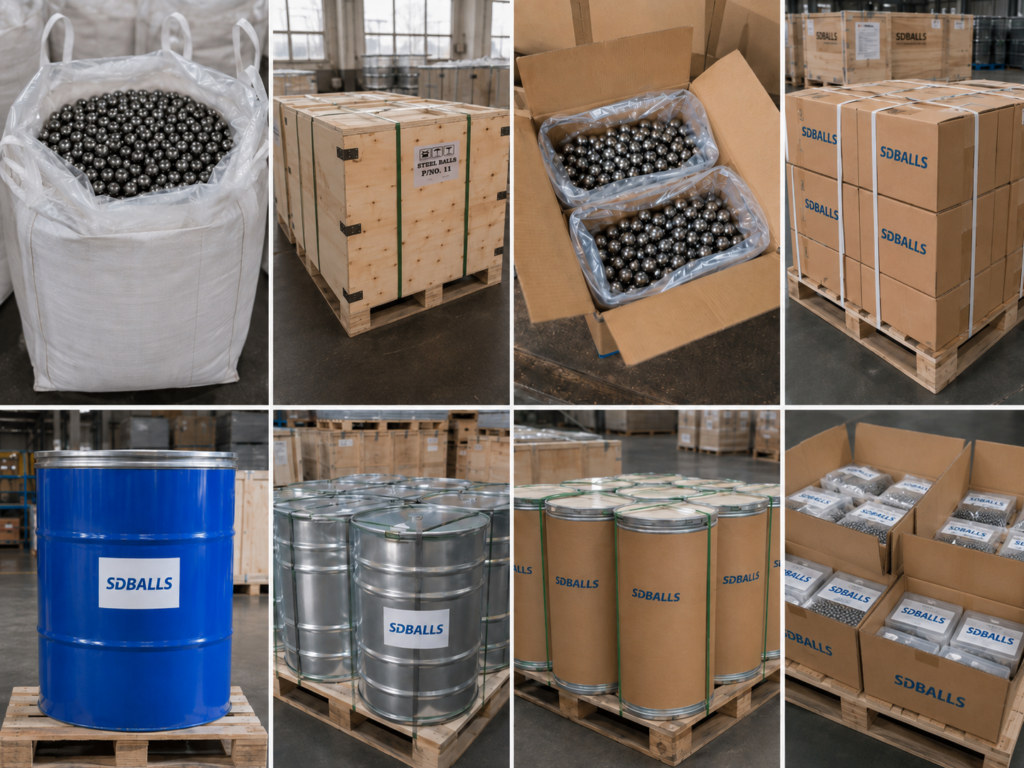
SDBALLS può fornire sfere in vetro borosilicato in imballaggio industriale sfuso o imballaggio OEM personalizzato in base a dimensioni, quantità, requisiti di pulizia e metodo di spedizione. Un imballaggio protettivo è importante poiché le sfere di vetro devono essere protette da urti, scheggiature e contaminazione durante il trasporto.
- Imballaggio in sacchetto di plastica + cartone per piccole e medie quantità
- Imballaggio in bottiglia, secchiello, fusto o cartone in base a diametro e peso
- Imballaggio per esportazione pallettizzato per ordini all'ingrosso
- Etichette personalizzate con materiale, dimensione, grado, numero di lotto e quantità
- Opzioni di imballaggio più pulite per programmi di fornitura per laboratori, farmaceutici o cosmetici
Come Specificare per un Preventivo
Per quotare accuratamente le sfere in vetro borosilicato, si prega di confermare le seguenti informazioni:
- Materiale: vetro borosilicato / standard del vetro richiesto, se specificato
- Diametro in mm o pollici
- Requisito di grado di precisione o tolleranza
- Stima della quantità e della domanda annuale
- Applicazione: valvole, pompe dosatrici, sistemi di dosaggio, molatura, riempimento, laboratori, uso cosmetico o farmaceutico
- Mezzo operativo, temperatura, pressione ed esposizione chimica
- Requisiti di finitura superficiale, pulizia e aspetto visivo
- Metodo di imballaggio e requisiti per l'etichettatura
- Rapporto di ispezione, test di terze parti o requisiti di approvazione del campione
- Porto di destinazione, termine commerciale e programma di consegna previsto
FAQ Tecniche
D: Qual è la differenza tra sfere in vetro borosilicato e sfere in vetro soda-lime?
R: Le sfere in vetro borosilicato offrono una migliore resistenza agli shock termici e una maggiore stabilità chimica rispetto alle sfere standard in vetro soda-lime. Il vetro soda-lime è spesso utilizzato per applicazioni sensibili ai costi in ambienti a temperatura stabile, mentre il vetro borosilicato è preferito per condizioni chimiche o termiche più gravose.
D: Le sfere in vetro borosilicato sono magnetiche?
R: No. Le sfere in vetro borosilicato non sono magnetiche, il che le rende adatte all'uso vicino a strumenti, sensori, sistemi di controllo del flusso e applicazioni in cui le interferenze magnetiche non sono accettabili.
D: Le sfere in vetro borosilicato possono essere utilizzate in valvole di ritegno e pompe dosatrici?
R: Sì. Sono comunemente impiegate in valvole di ritegno, pompe dosatrici, sistemi di dosaggio e valvole a sfera dove sono richieste resistenza chimica, geometria sferica stabile e prestazioni non magnetiche. È necessario confermare il materiale della sede, la pressione, la temperatura e il mezzo operativo.
D: Le sfere in vetro borosilicato sono resistenti alla corrosione?
R: Sì, offrono un'eccellente resistenza alla corrosione e sono resistenti a molti acidi e sostanze chimiche. Tuttavia, la compatibilità chimica dovrebbe essere sempre verificata, specialmente per acido fluoridrico, alcali forti a caldo o specifici mezzi aggressivi.
D: Le sfere in vetro borosilicato possono sostituire le sfere in acciaio inossidabile?
R: Solo in applicazioni adatte. Il vetro borosilicato è resistente alla corrosione, non magnetico ed elettricamente isolante, ma è più fragile dell'acciaio inossidabile. Per applicazioni con carichi meccanici elevati o cuscinetti, le sfere in acciaio inossidabile o ceramica potrebbero essere più adatte.
D: Quali gradi di precisione sono disponibili?
R: I gradi comuni includono G20, G40, G100, G200, G500 e G1000. Il grado corretto dipende dalla precisione di tenuta, dalle prestazioni di dosaggio, dai requisiti superficiali e dagli obiettivi di costo.
D: Queste sfere possono essere utilizzate come mezzi di molatura?
R: Possono essere utilizzate in applicazioni selezionate di molatura o macinazione leggera dove la contaminazione da metalli deve essere evitata e il carico di processo è adatto per mezzi in vetro. Non sono raccomandate per molature a forte impatto o sospensioni altamente abrasive senza test preliminari.
D: Quali informazioni sono necessarie per un preventivo?
R: Si prega di fornire materiale, diametro, grado o tolleranza, quantità, applicazione, mezzo chimico operativo, temperatura, pressione, finitura superficiale, requisito di pulizia, metodo di imballaggio, documenti di ispezione e destinazione.
Prodotti correlati
Richiesta di programma A
Contattaci oggi stesso per qualsiasi servizio. (*) Indica i campi obbligatori.