How to Choose Grinding and Polishing Media for Industrial Applications
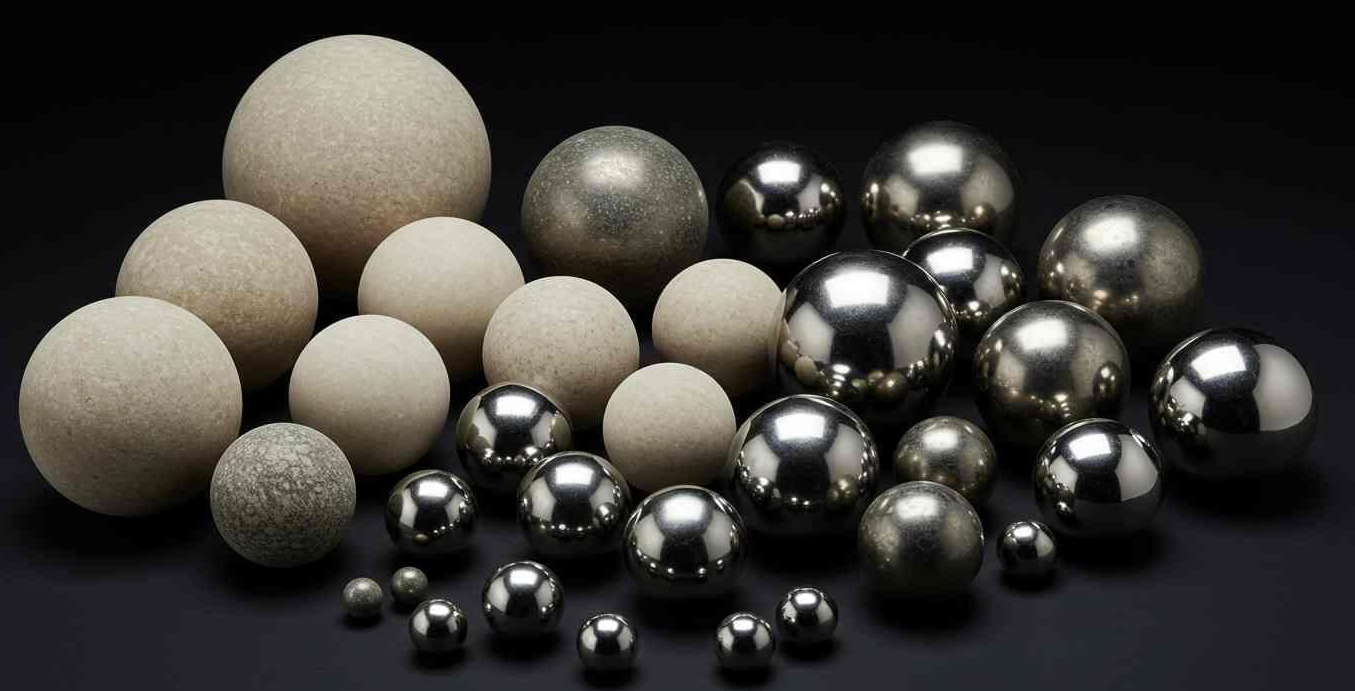
Choosing the right mezzi di macinazione e lucidatura is an important step in achieving consistent industrial processing results.
Whether your application involves removing burrs from metal parts, improving surface smoothness, refining materials or polishing precision components, the type of media you select can influence processing efficiency, wear, surface quality and operating costs.
However, not all grinding balls or polishing media are designed for the same purpose.
A suitable solution depends on the equipment, workpiece material, operating conditions and desired result.
In this guide, SDBALLS explains the differences between grinding, polishing, deburring and burnishing media, and how industrial buyers can select appropriate materials, sizes and shapes.
1. What Are Grinding and Polishing Media?
Grinding and polishing media are components used in processing equipment to remove material, refine particles, improve surfaces or support finishing operations.
Depending on the application, media may be made from carbon steel, stainless steel, chrome steel, ceramic, glass or other materials.
Common industrial applications include:
- Grinding and particle-size reduction
- Metal surface polishing
- Deburring of machined components
- Vibratory and rotary finishing
- Burnishing and surface smoothing
- Laboratory and small-scale milling
- Selected food-related processing applications
Although these processes may use similar-looking balls, their performance requirements can be very different.
For example, a steel ball used in a dry grinding process may not be suitable for polishing components in a corrosive liquid.
Understanding the application is therefore more important than choosing a material based on price alone.
2. Grinding vs Polishing vs Deburring vs Burnishing
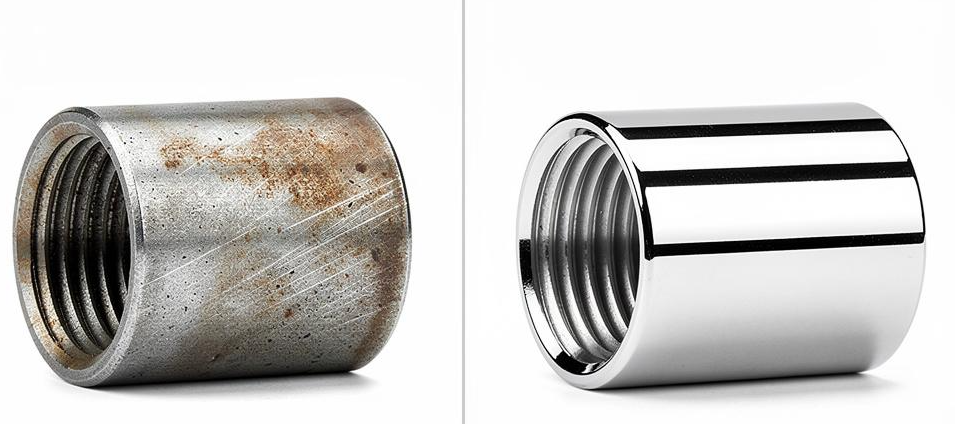
Before selecting media, identify the main purpose of your process.
Grinding Media: Material Reduction and Refinement
Grinding media are used to reduce particle size, break down materials or support dispersion within suitable milling equipment.
Grinding performance can depend on media hardness, density, diameter, motion and the material being processed.
High-density steel grinding balls may be useful in certain industrial milling processes where mechanical impact and wear resistance are important.
For applications requiring low metallic contamination, alternative media such as ceramic or glass may be preferable.
Polishing Media: Improving Surface Appearance
Polishing balls and other polishing media are used to improve surface smoothness and appearance.
They may be used in vibratory finishing, rotary finishing and other controlled surface-treatment processes.
For bright metal finishing, the cleanliness, shape and surface condition of the media are important considerations.
Deburring Media: Removing Unwanted Edges
Machining, drilling and forming processes can leave burrs on metal components.
Suitable deburring media help remove or reduce these unwanted edges during mechanical finishing.
The correct media shape is particularly important. Spherical balls may work well for certain surfaces, while shaped media can provide additional contact with edges, recesses or complex geometries.
Burnishing Media: Smoothing Through Pressure
Burnishing media generally work through repeated rolling and contact pressure rather than aggressive cutting.
Steel burnishing balls can be considered for suitable metal components when the objective is to improve surface smoothness or appearance.
However, the final result depends on the workpiece material, media condition, equipment and processing method.
3. Which Grinding Media Material Should You Choose?
Different materials have different operating characteristics.
The following comparison provides general selection guidance.
| Media Material | Main Characteristics | Common Selection Considerations |
|---|---|---|
| Sfere in acciaio al carbonio | Economical, available in different hardness conditions | General industrial finishing where corrosion and contamination are controlled |
| Sfere in acciaio al cromo | High hardness and wear resistance when appropriately heat-treated | Selected grinding and wear-intensive applications |
| Sfere in acciaio inossidabile | Corrosion resistance and clean surface options | Wet finishing, polishing and selected cleanliness-sensitive processes |
| Sfere di ceramica | Hardness, wear resistance and non-metallic material options | High-purity grinding, chemicals and specialized milling |
| Sfere di vetro | Smooth, non-metallic and relatively low-density media | Gentle processing, laboratory applications and selected dispersion processes |
There is no single material that is best for every industrial process.
For example, stainless steel media may be more suitable when moisture or cleaning requirements make ordinary carbon steel impractical.
Ceramic media may be preferable where metallic contamination must be minimized.
For precision steel media, material grade, heat treatment and hardness should be confirmed before production.
4. How to Select the Right Grinding Ball Size
Media diameter can affect contact behavior, impact energy and processing efficiency.
Larger grinding balls may generate greater impact forces under comparable operating conditions, while smaller media may provide more contact points and support finer processing.
However, the most effective size depends on the actual equipment and material being processed.
When selecting a ball diameter, consider:
Equipment type: Ball mills, vibratory finishing machines and rotary tumblers have different operating characteristics.
Workpiece size: Media must be compatible with the dimensions and geometry of the components.
Required finish: Fine polishing and coarse grinding may need different media sizes and operating settings.
Material hardness: Harder workpieces may require different media hardness, density or processing conditions.
Contamination requirements: Media wear and transferred particles may affect the finished product.
SDBALLS lists grinding and polishing media in an indicative size range of 1 mm to 50 mm, with other requirements subject to technical confirmation.
The final size should be selected through process evaluation rather than diameter alone.
5. Why Media Shape Matters
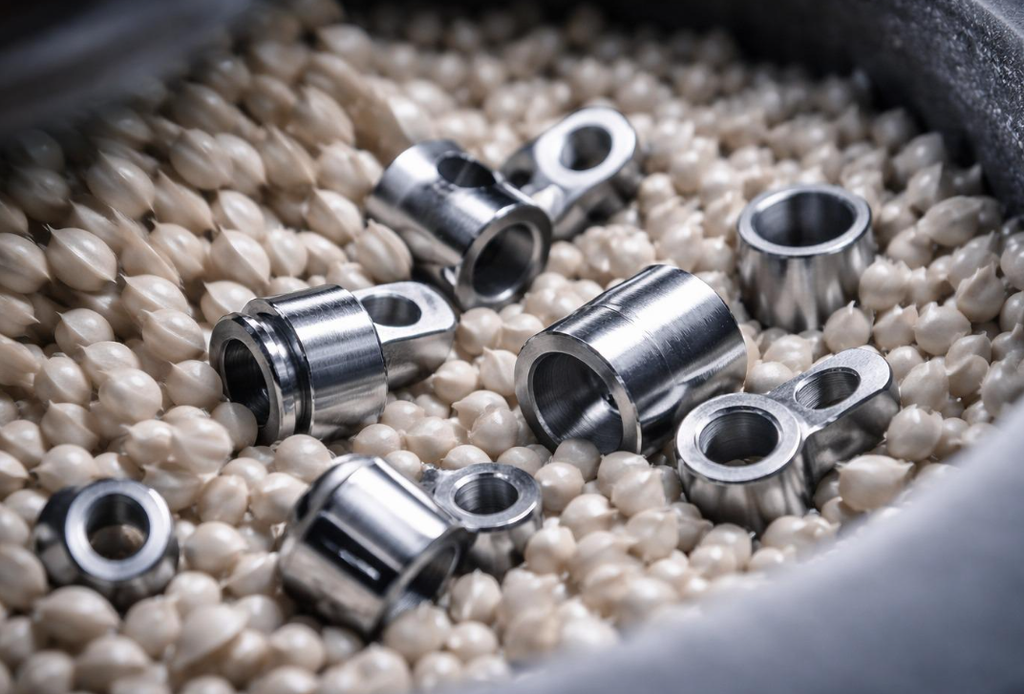
Not every industrial finishing operation should use spherical balls.
Different media shapes create different contact patterns.
Spherical media offer rolling contact and may be suitable for certain polishing, burnishing and grinding applications.
Cylindrical or shaped media can be useful where the process requires alternative contact geometry.
Specialized shapes may help reach edges or features that ordinary round balls cannot process effectively.
Before replacing one media shape with another, check the machine manufacturer’s recommendations and validate the finishing result.
For more specialized requirements, SDBALLS also offers shaped grinding media for selected industrial applications.
6. Important Factors for Wet and Dry Processing
Operating conditions have a significant influence on media selection.
Wet Processing
Wet grinding or finishing may involve water, detergents, chemicals or processing compounds.
For such conditions, corrosion resistance and chemical compatibility deserve particular attention.
Stainless steel or ceramic media may be suitable depending on the liquid, temperature and contamination requirements.
Dry Processing
Dry grinding may allow the use of hardened steel media in suitable equipment.
However, wear, dust generation, material transfer and temperature still need to be considered.
Carbon steel and chrome steel media also require appropriate storage and corrosion protection when exposed to moisture.
Food-Related Processing
Some food-processing applications, including certain chocolate-refining systems, use specialized grinding media.
In these cases, material selection must account for cleaning, product contact, wear, processing conditions and applicable compliance requirements.
A stainless steel designation alone does not establish food-contact compliance. Material documentation and any required testing must be confirmed for the intended application.
7. Common Grinding Media Selection Mistakes
Industrial buyers can reduce procurement problems by avoiding several common mistakes.
Choosing by price alone
A lower purchase price does not necessarily provide the lowest operating cost. Wear rate, service life and process stability also matter.
Using the wrong media hardness
Media that is unsuitable for the workpiece or machine can cause excessive wear or surface damage.
Ignoring corrosion conditions
Ordinary carbon steel media may rust during wet processing or inadequate storage.
Overlooking contamination
Metallic or ceramic wear particles may be unacceptable in certain processing environments.
Selecting size without considering the equipment
Even a high-quality grinding ball can produce unsatisfactory results if the size or media load is inappropriate.
Skipping sample evaluation
For demanding processes, a controlled test using the intended equipment and materials helps validate the selection.
8. What Information Should You Send to a Grinding Media Supplier?
To receive a relevant quotation, provide as much information as possible about your process.
A useful inquiry should include:
- Main application: grinding, polishing, deburring or burnishing
- Equipment type and processing method
- Workpiece or material being processed
- Preferred media material, if already specified
- Diameter, shape and quantity
- Required hardness or wear characteristics
- Wet or dry operating conditions
- Surface finish or final particle-size target
- Corrosion, cleanliness or contamination restrictions
- Delivery destination and required quantity
If you already use grinding or polishing media, providing a current sample or specification sheet can help simplify the evaluation process.
9. Grinding and Polishing Media Solutions from SDBALLS
SDBALLS supplies grinding balls, polishing balls and other industrial media options for controlled processing and surface-finishing applications.
Our available material range includes steel, stainless steel, ceramic and other selected media options, depending on the process.
We help customers evaluate product specifications such as material, media size, surface condition and application requirements before quoting.
For customized or technically demanding applications, sample validation and manufacturing feasibility should be confirmed.
Explore our solutions:
Grinding & Polishing Media Product Range
https://sdballs.com/products/grinding-polishing-media/
Sfere di Macinazione e Sfere di Lucidatura
https://sdballs.com/product/grinding-balls-polishing-balls/
Domande frequenti
Are grinding balls and polishing balls the same?
Not necessarily. Grinding focuses mainly on particle reduction or material refinement, while polishing focuses on improving surface condition. Some media can perform multiple functions depending on the equipment and operating conditions.
Can stainless steel balls be used for polishing?
Yes, suitably specified stainless steel balls can be used in selected polishing and burnishing processes. Their suitability depends on material grade, surface finish, hardness and processing conditions.
Are chrome steel balls suitable for wet grinding?
Chrome steel may be suitable for some processes, but it is not stainless steel. Corrosion and contamination risks must be assessed before using it in wet environments.
What grinding media should I use for high-purity applications?
Ceramic, glass or other specialized media may be considered when metallic contamination must be controlled. The final choice depends on the chemical environment and acceptable contamination levels.
Can I order customized grinding media?
Custom material, diameter, shape, surface finish and packaging requirements can be evaluated according to manufacturing feasibility and order quantity.
Find the Right Media for Your Application
Whether you are sourcing grinding balls for material processing or polishing media for industrial surface finishing, selecting the right specifications can make a significant difference.
Tell SDBALLS what you are processing, which equipment you use and what result you need.
Our team can help you evaluate suitable media options for your project.
Contact:
Email: [email protected]
WhatsApp: +86 13905383198
Website: https://sdballs.com/

Informazioni sull'autore
Siamo SD Ball, un'azienda specializzata nella produzione di sfere d'acciaio di alta precisione per il mercato globale. Grazie a un'esperienza pluriennale, ci distinguiamo per processi produttivi avanzati, un rigoroso controllo qualità e soluzioni personalizzate a supporto di diverse applicazioni industriali. Dalla selezione dei materiali all'ispezione finale, garantiamo prodotti affidabili e prestazioni costanti, aiutando i nostri clienti a raggiungere maggiore efficienza, durata e qualità del prodotto.
Condividere
Categoria di prodotto
Articoli correlati
-
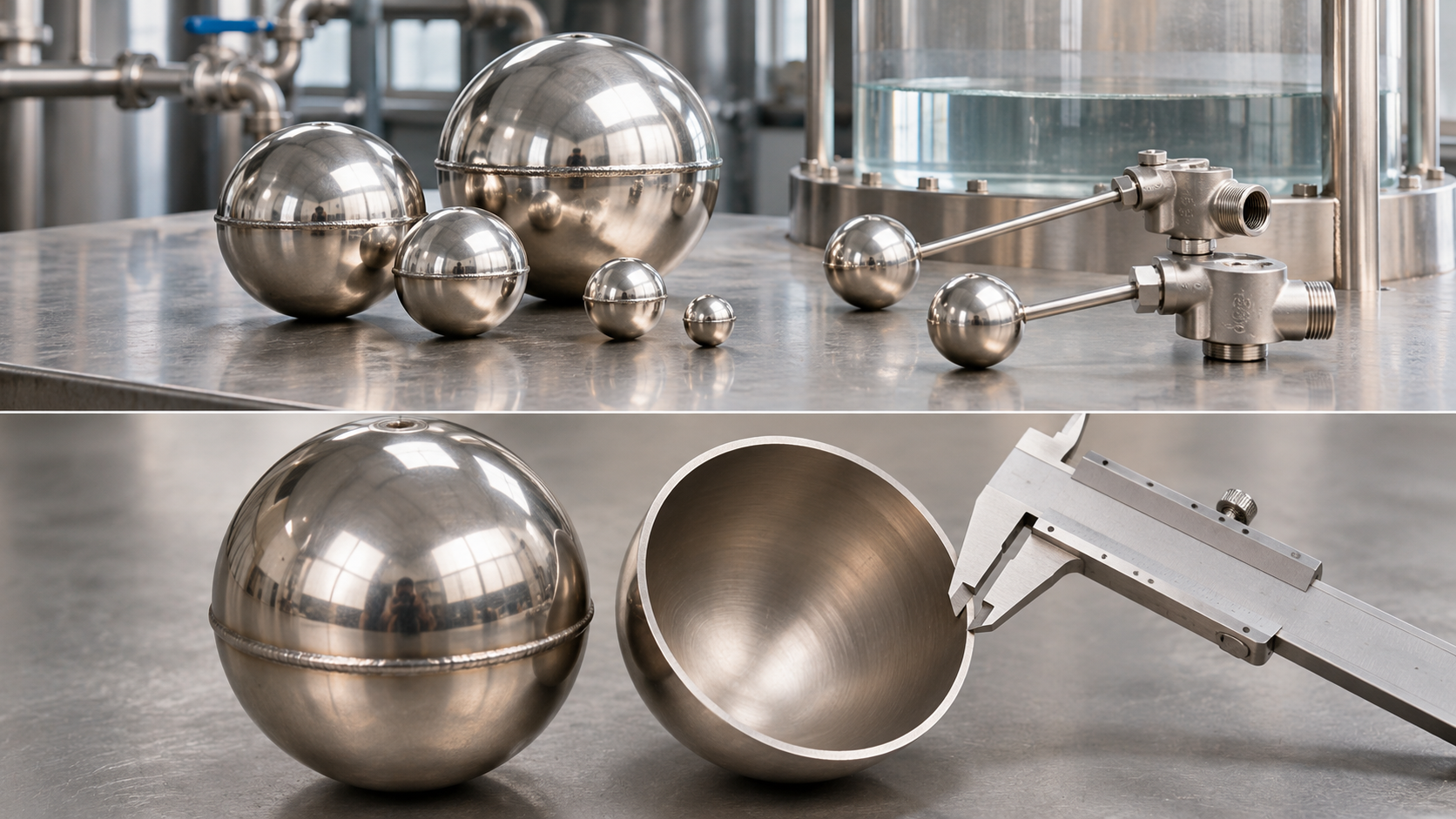
How to Choose Hollow Stainless Steel Balls for Float Valves: Size, Wall Thickness and Buoyancy
A hollow stainless steel ball may look like a simple component, but selecting one for a float valve or liquid-level control assembly requires more than choosing a diameter and material grade. The sphere must displace enough liquid to support its own weight and operate the mechanism. At the same time, its shell, welds and attachment… -
Precision Glass Balls: Materials, Grades and Industrial Applications
Precision glass balls are widely used in industrial components where non-magnetic properties, electrical insulation, chemical resistance and consistent spherical geometry are important. They can be found in check valves, metering pumps, flow meters, laboratory equipment and various fluid-control systems. However, not all glass balls are suitable for the same applications. Material composition, diameter, precision grade,…